The Majlis: A Guide to the Gulf's Traditional Gathering Space
Discover the social heart of Gulf homes: the majlis. Learn about its design, role in community life and the etiquette that helps visitors feel at home.
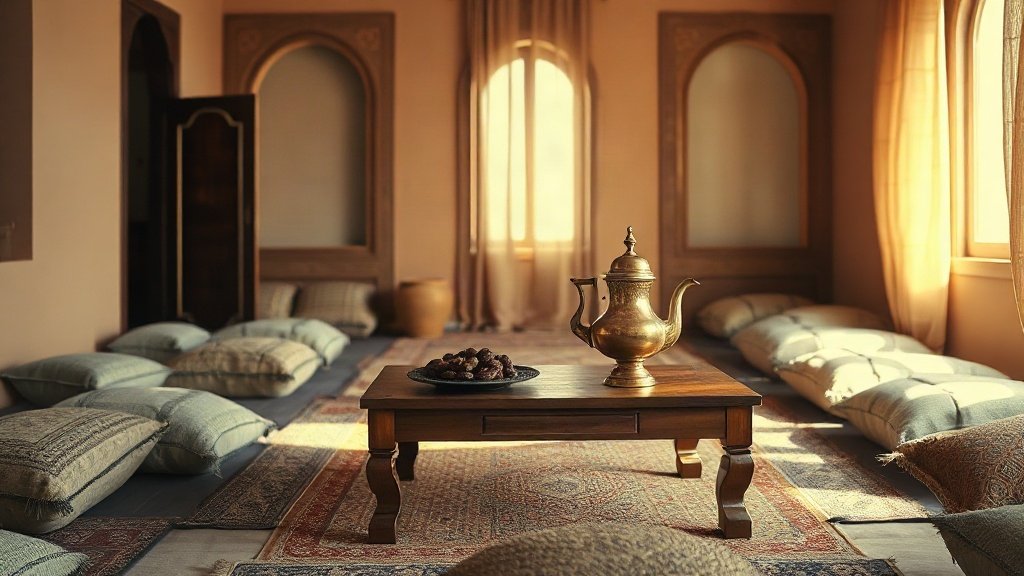
Illustration: AI-generated image
The majlis (plural: majalis) is central to social life across the Gulf. More than just a room, it is a place where family, friends and neighbours gather to talk, share news and welcome guests. For anyone living in or visiting the region, understanding the majlis offers a window into the values of hospitality, respect and community that shape daily life.
What is a majlis?
The word "majlis" literally means "a place of sitting" in Arabic. Traditionally, it is a separate room or area at the entrance of a home, designed specifically for receiving visitors. In older houses, the majlis was often the only room open to guests, keeping private family quarters separate. Today, many homes still have a dedicated majlis, and the concept extends to public spaces, offices and even government buildings.
Architecture and design
A classic majlis is easily recognisable. The floor is usually covered with carpets or rugs, and along the walls are long, cushioned seats known as "masnad" or "diwaniya" style seating. Traditional majalis may have low sofas with armrests, or simply floor cushions and bolsters. Often there is a central table or low stand for serving coffee and dates. The room is usually decorated with Arabic calligraphy, traditional textiles and sometimes a display of heritage items such as dallah (coffee pots) or incense burners.
The role of the majlis in Gulf society
The majlis is far more than a physical space; it is a social institution. It is where important decisions are discussed, disputes are resolved, and community bonds are strengthened. Historically, tribal leaders and elders would hold their majlis open to hear the concerns of the community. That tradition continues in modern forms, with government officials and business leaders often holding open majalis to meet the public.
For families, the majlis is where weddings are planned, condolences are offered, and celebrations are shared. During Ramadan, many people host nightly gatherings in the majlis after iftar. It is also a place for storytelling, poetry recitals and the passing down of oral history.
Etiquette for visitors
If you are invited to a majlis, a few simple customs will help you feel at ease and show respect. Here are some key points:
- Greet individually: Upon entering, it is customary to greet each person with a handshake (or a respectful nod if you are of the opposite gender and unsure). The standard greeting is "As-salamu alaykum," meaning "peace be upon you."
- Shoes off: In most private majalis, you should remove your shoes at the door unless told otherwise.
- Sit where indicated: The host will usually gesture to a seat. Avoid sitting with the soles of your feet pointing at others.
- Accept refreshments: Arabic coffee (gahwa) and dates are almost always offered. It is polite to accept. When you have had enough coffee, gently shake your empty cup from side to side or cover it with your hand to signal that you do not want more.
- Be mindful of time: While majlis gatherings can last for hours, it is fine to excuse yourself after a short visit. Thank the host warmly before leaving.
The modern majlis
Today, the majlis has adapted to contemporary life while keeping its core role. Many new homes include a majlis with modern furniture and air conditioning, but the principles of generous hospitality remain unchanged. In cities across the Gulf, you can also find community majalis open to the public, where residents and visitors are welcome to sit, sip coffee and learn about local culture.
Understanding the majlis is a key part of experiencing the Gulf's deep-rooted culture of welcome. Whether you are invited to a private home or visit a public majlis, it is a tradition that continues to bring people together.