The Mabkhara: A Guide to the Gulf's Traditional Incense Burner
The mabkhara is more than a household object in the Gulf; it is a symbol of hospitality, fragrance and heritage. Discover its forms, uses and etiquette.
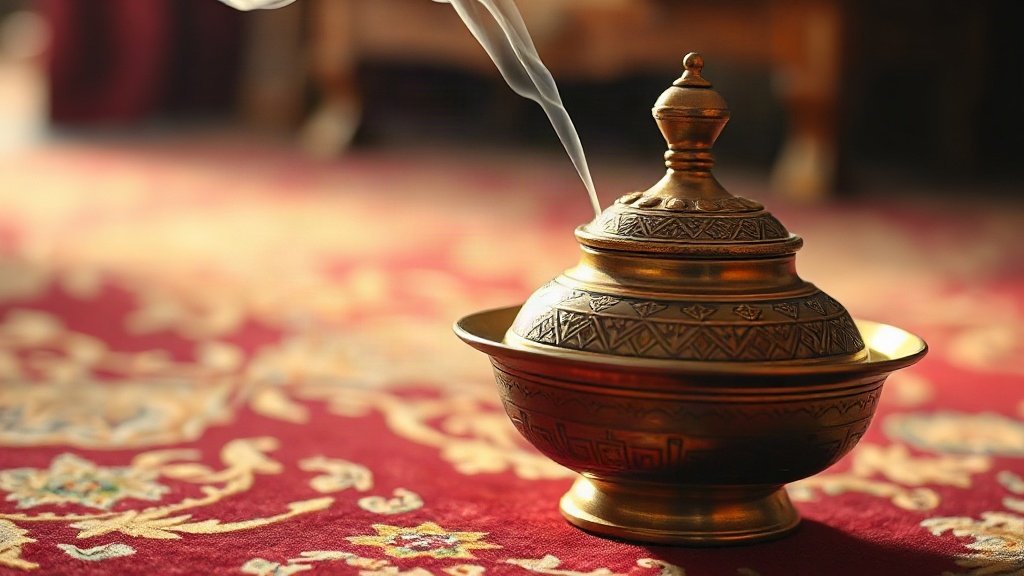
Illustration: AI-generated image
Walk into a Gulf home and you may notice a gentle, aromatic smoke curling from an ornate vessel. That vessel is the mabkhara, the traditional incense burner that has been a centrepiece of hospitality and daily life across the Arabian Peninsula for centuries.
The mabkhara is used to burn bakhoor — fragrant wood chips, often agarwood (oud) soaked in perfumed oils and mixed with other resins and essences — or pure oud. The smoke that rises is believed to cleanse the air, perfume clothing and hair, and create a welcoming atmosphere for guests. In many households, passing the mabkhara among family and visitors is a cherished ritual that marks special occasions, gatherings, and even ordinary evenings.
What is a mabkhara?
Traditionally, a mabkhara is a small, open-topped container made of metal, clay, or carved stone. It holds a piece of hot charcoal or an electric heating element, upon which bakhoor or oud is placed. As the material heats, it releases thick, fragrant smoke. Modern versions may be electric or battery-operated, but the classic design remains popular, especially for ceremonial use.
The exterior of a mabkhara is often decorated with intricate patterns, calligraphy, or geometric motifs. Some are simple and functional; others are works of art, crafted from brass, silver, or even adorned with semi-precious stones. The design varies across the Gulf, with regional styles reflecting local aesthetics.
The role of bakhoor and oud
Bakhoor is a blend of agarwood chips that have been soaked in fragrant oils and combined with other ingredients such as sandalwood, musk, amber, and floral essences. Each household may have its own signature blend, often prepared at home or purchased from traditional perfumers. Oud, the pure resinous wood from the agar tree, is prized for its deep, woody aroma and is considered a luxury item.
The choice of bakhoor or oud can signal the occasion: lighter, fresher scents for daily use and richer, more intense blends for weddings, religious holidays, and important gatherings. Passing the mabkhara allows each person to perfume their clothes and hair, a gesture of mutual respect and care.
Etiquette of the mabkhara
Offering the mabkhara to guests is a sign of honour and generosity. Typically, the host will light the mabkhara and pass it around, often starting with the most senior or honoured guest. The guest holds the mabkhara near their chest or under their clothing to allow the smoke to rise and infuse the fabric. It is customary to waft the smoke towards oneself with a hand, a subtle movement that shows appreciation.
In many homes, the mabkhara is passed after serving Arabic coffee, completing the cycle of hospitality: coffee refreshes, dates sweeten, and incense lingers as a final, fragrant welcome.
A tradition that endures
Despite modern air fresheners and electric diffusers, the mabkhara remains a beloved fixture in Gulf culture. It is not merely a tool for fragrance but a symbol of identity, continuity, and the region's deep connection to scent and ritual. Whether used daily or on special occasions, the gentle smoke of the mabkhara carries the essence of Gulf hospitality into the present day.