Talli: A Guide to the Gulf's Traditional Embroidery with Silver Thread
Talli is a rich hand-embroidery tradition from the UAE, using silver and gold threads to create intricate patterns on women's clothing. Here's what makes this craft so special and where you can see it today.
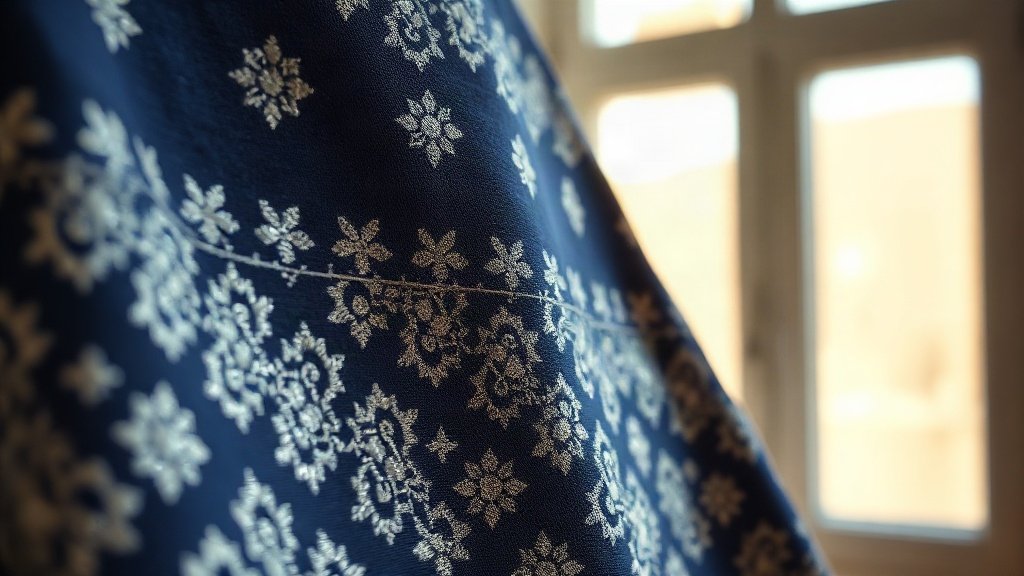
Illustration: AI-generated image
Across the Gulf, traditional crafts tell stories of identity and heritage. One of the most dazzling is Talli, a form of hand embroidery from the United Arab Emirates that uses fine silver and gold threads to create intricate, shimmering patterns on fabric. Recognised by UNESCO as an Intangible Cultural Heritage of Humanity, Talli is more than decoration — it is a living art passed down through generations of Emirati women.
What is Talli?
Talli (also spelled Al Talli or Talli Embroidery) is a technique where metallic threads — traditionally real silver, sometimes gold — are couched onto cotton or silk fabric. The threads are often wrapped around a core, then stitched in geometric, floral or calligraphic designs. The result is a luxurious, reflective surface that catches the light beautifully.
The craft has deep roots in Emirati society, particularly in the coastal and oasis towns. Historically, Talli was used to decorate the hems, cuffs and necklines of women's dresses, especially the traditional thobe or kandura for women, as well as head coverings and shawls. It was a marker of status and taste, and bridal trousseaus often included several Talli-embroidered garments.
How is Talli made?
The process is slow and meticulous. First, the base fabric is stretched on a wooden frame. The design is then sketched lightly or transferred using a template. The embroiderer threads a needle with a metallic thread — sometimes plaited from several fine strands — and begins to stitch. The most common stitch is a form of couching, where the metallic thread is laid on the surface and secured with tiny stitches of silk or cotton thread in a contrasting colour. This allows the metallic thread to lie flat and create a continuous line.
Patterns vary by region and family tradition. Common motifs include the khatim (a stylised seal or flower), the tair (bird), and the saff (row of triangles). Colours are sparingly used, often just natural tones of the metallic threads, though coloured silks may be added for contrast.
Talli in Emirati culture
In the past, Talli skills were passed from mother to daughter, often practised in the home or in women's gathering spaces. It was a social activity as much as a craft, and it provided women with a source of income. Today, efforts to preserve Talli are strong. Heritage centres and craft cooperatives across the UAE teach the technique to younger generations, and it appears in contemporary fashion and home décor.
Visitors to the UAE can see Talli demonstrations at cultural events, museums and heritage villages, especially in Sharjah and Abu Dhabi. While Talli is most strongly associated with the Emirates, similar embroidery traditions exist in neighbouring Gulf states, each with its own patterns and names.
Why Talli matters today
Talli is a symbol of continuity. In a region that has changed rapidly, the ability to preserve such a delicate craft connects modern Emiratis to their ancestors. It also offers a sustainable, meaningful alternative to mass-produced fashion. For collectors and appreciators of textile arts, a piece of Talli embroidery is a treasure — a handmade work that carries the essence of Gulf heritage.