Stargazing in the Gulf: A Practical Guide to Desert Night Skies
Far from city lights, the Gulf's deserts offer some of the clearest night skies on Earth. Here's how to plan a simple, rewarding stargazing trip.
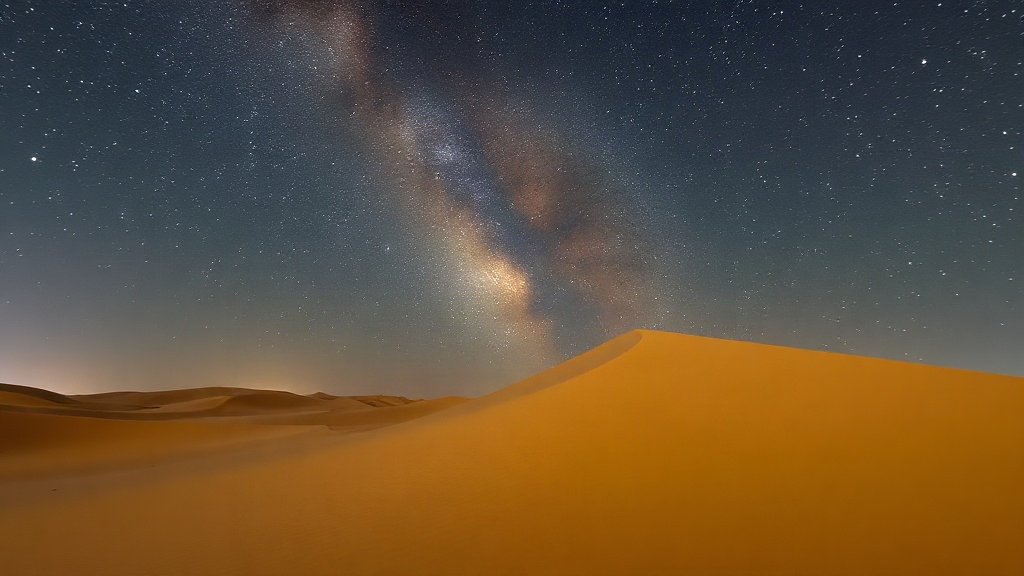
Illustration: AI-generated image
For many visitors, the Gulf is a place of shimmering skylines and sunny days. But after sunset, a quieter wonder appears: the desert night sky. Away from the glow of cities, the Arabian Peninsula offers some of the clearest, darkest skies in the world, making it a rewarding destination for anyone who simply looks up.
Why the Gulf desert is perfect for stargazing
The region's low humidity, especially in the cooler months, means the air is often crisp and transparent. Combine that with vast stretches of uninhabited desert and you get remarkably little light pollution. In many inland areas, the Milky Way is visible to the naked eye, and even modest binoculars can reveal star clusters, nebulae and planets.
You do not need to be an astronomer to enjoy it. A simple night under the stars can be as memorable as any city attraction.
Best time to go
The cooler months, roughly from October to April, are the most comfortable for spending long hours outdoors. During this period, the sky is often at its clearest, and temperatures at night are pleasant with a light jacket. Summer nights are possible but can still be very warm, and haze or dust can reduce visibility.
For the best views, choose a night with little or no moon. A new moon or a thin crescent moon will keep the sky dark, letting fainter stars appear. Many weather apps and websites show moon phases, so plan your trip around them when possible.
Where to set up
You do not need to travel far. Even a short drive from city limits can dramatically improve the sky. Look for inland areas away from highways, oil fields and large towns. Desert camps, wadis and dune fields are common choices. In Oman, the Empty Quarter and inland Sharqiyah sands are known for dark skies, while Saudi Arabia's vast deserts offer endless possibilities. In the UAE, the desert between Dubai and Al Ain, and areas near Liwa, are popular with amateur stargazers.
Always check local rules and land access. Some desert areas may be private or require permits, especially near borders. Choose a spot with a clear view of the horizon, away from trees or tall dunes if you want to see the whole sky.
What to bring
- Warm layers: Desert nights can be surprisingly cold, especially in winter. A jacket, hat and closed shoes make a big difference.
- A red torch: Red light helps preserve your night vision, so you can see the stars while still finding your way. Many headlamps have a red setting.
- A blanket or reclining chair: Lying flat lets you scan the sky comfortably without straining your neck.
- Binoculars: Even basic binoculars reveal far more than the naked eye, from Jupiter's moons to the Pleiades cluster.
- Water and snacks: Staying hydrated is important, even in cooler weather.
- A star map or phone app: Simple apps can show you what is overhead and help identify constellations. Download maps before you go, as mobile signal may be weak.
Stargazing etiquette and safety
Keep lights to a minimum once your eyes have adjusted. If you are with a group, agree on a time to switch off phones and torches. Avoid pointing bright lights at others.
Be mindful of wildlife and plant life. Stick to existing tracks and avoid driving over vegetation. If you build a small fire, follow local rules and make sure it is fully extinguished before leaving.
Always tell someone where you are going and when you expect to return. Desert roads can be confusing at night, so download offline maps and carry more water than you think you need.
Above all, be patient. Your eyes need about 20 minutes to fully adapt to darkness. Once they do, the desert sky reveals a quiet, ancient beauty that has guided travellers across Arabia for centuries.