Snorkeling in the Gulf: A Practical Guide to Coral Reefs and Sea Life
From the coral gardens of Oman to the clear waters off the UAE's east coast, the Gulf offers accessible snorkeling for all levels. Here's what to know before you go.
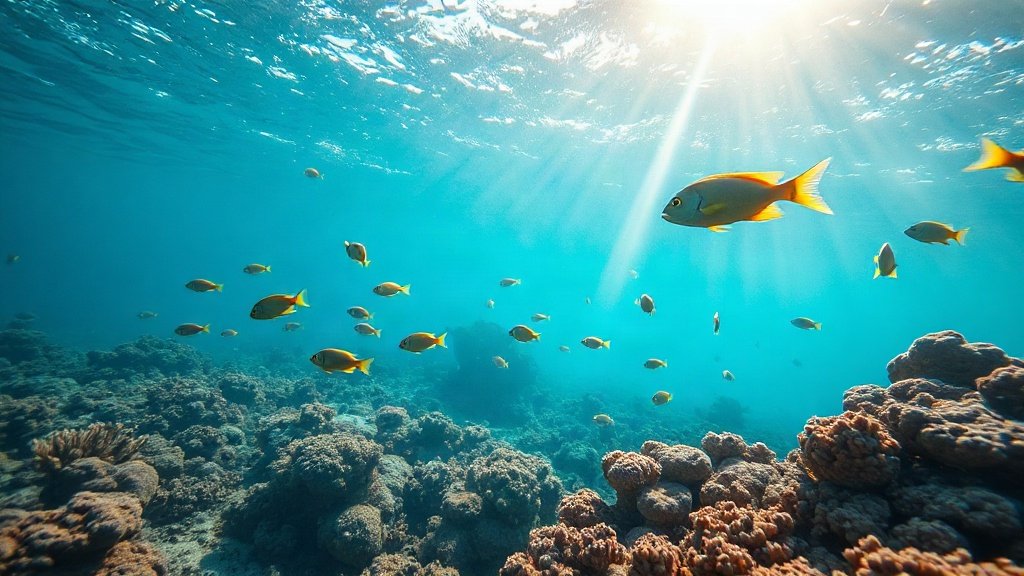
Illustration: AI-generated image
The warm, shallow waters of the Arabian Gulf and the Gulf of Oman hide a surprising underwater world. Snorkeling here is an accessible adventure, whether you are a first-timer or an experienced swimmer. With minimal equipment and a little planning, you can drift over coral gardens and watch colourful fish in clear turquoise water.
Where to snorkel in the Gulf
Oman is widely regarded as the region's snorkeling highlight. The Musandam Peninsula, with its fjord-like khors and sheltered bays, offers calm conditions and rich marine life. Closer to Muscat, the Daymaniyat Islands are a protected nature reserve known for their healthy reefs and seasonal turtle nesting. The rocky coastline around the capital also has several accessible coves.
In the United Arab Emirates, the east coast emirates of Fujairah and Khor Fakkan face the Gulf of Oman rather than the Arabian Gulf, which means clearer water and more abundant coral. Snorkelers often spot reef fish, rays, and even the occasional sea turtle. Further north, the waters around Dibba also offer good visibility.
What you might see
The Gulf's coral reefs may not match tropical destinations in sheer diversity, but they are resilient and full of life. Expect to see parrotfish, angelfish, butterflyfish, and clownfish hiding among anemones. Green turtles and hawksbill turtles are regularly encountered in Oman and parts of the UAE. Harmless reef sharks, such as whitetip reef sharks, are occasionally seen but pose no threat to snorkelers.
Corals here survive extreme summer temperatures, making them interesting for anyone curious about marine adaptation. Soft corals in shades of purple, pink, and yellow sway with the current, while hard corals form intricate structures that shelter small creatures.
When to go
The best snorkeling season runs from October to May, when air and water temperatures are comfortable. During the summer months, water temperatures can exceed 30°C, which is warm but often accompanied by hazy visibility and plankton blooms. Always check local weather and sea conditions before heading out, as wind can stir up sand and reduce clarity.
Gear and preparation
A well-fitting mask, snorkel, and fins are the essentials. Many visitors bring their own, but rental equipment is available in popular tourist areas. A rash guard or wetsuit top protects against sunburn and minor scrapes. In winter, a thin wetsuit may be welcome, as water temperatures can drop to around 21°C.
Safety and etiquette
Snorkeling in the Gulf is generally safe, but basic precautions matter. Always snorkel with a buddy, stay within your comfort zone, and avoid strong currents. Never touch or stand on coral, as it is fragile and can cause painful cuts. Use reef-safe sunscreen to protect marine life, and avoid chasing or feeding fish. On public beaches, dress modestly when out of the water to respect local customs.
With a little preparation, snorkeling in the Gulf offers a memorable way to connect with the region's natural heritage. The reefs may be closer than you think.