Samboosa: A Guide to the Gulf's Crispy Stuffed Pastries
A golden, triangular pastry with a savoury filling, samboosa is a beloved snack across the Gulf, especially during Ramadan and at family gatherings.
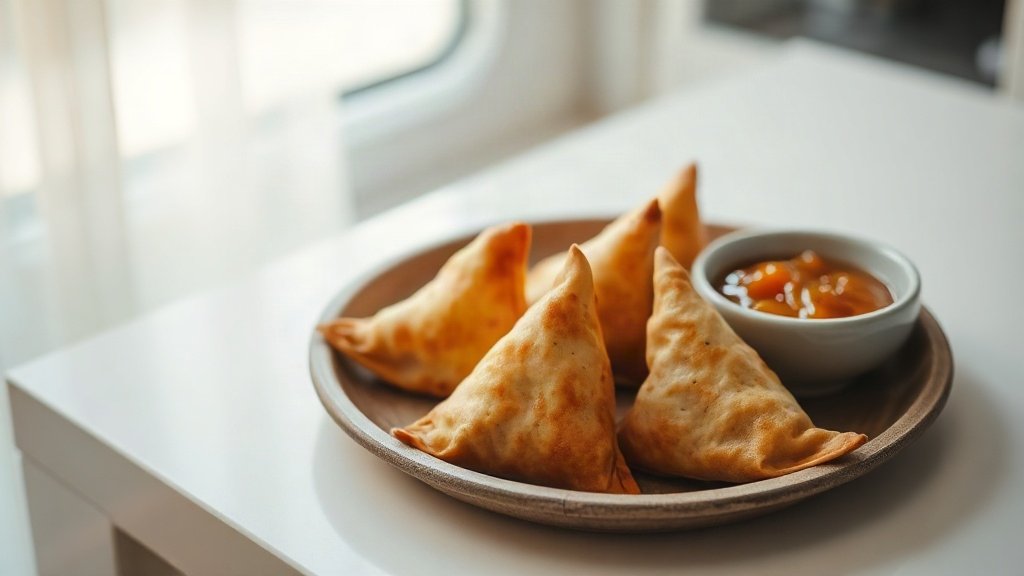
Illustration: AI-generated image
Walk through any Gulf souq or family gathering, especially during Ramadan, and you will likely encounter trays of golden, triangular pastries with a satisfying crunch. These are samboosa, the region's much-loved stuffed snack. Adapted from the Indian samosa centuries ago, samboosa has become a cornerstone of Gulf comfort food, with local fillings and spices that give it a distinct identity.
What is Samboosa?
Samboosa is a thin, crispy pastry shell wrapped around a savoury filling, then deep-fried until golden brown. The dough is typically made from flour, water, and a little oil, rolled very thin, and cut into strips or circles before being folded into triangles or cones. The name varies slightly across the Arab world – sambousek in the Levant, sambusa in East Africa – but the Gulf spelling and style are uniquely local.
Fillings and Variations
The most common samboosa filling in the Gulf is spiced minced meat – usually lamb or beef – cooked with onions, garlic, and a blend of warm spices like cumin, coriander, and black pepper. Some cooks add a sprinkle of dried lime (loomi) for a tangy depth. Vegetarian versions are equally popular, featuring mashed potatoes with peas, or a mix of feta-style cheese and herbs. Along the coast, you might find samboosa filled with spiced fish or shrimp.
During Ramadan, samboosa is a staple at iftar tables, often served alongside lentil soup and fresh salad. But it is not limited to the holy month; you will find it year-round at cafes, street stalls, and home kitchens.
How It's Made and Served
Making samboosa at home is a rewarding weekend project. The dough is rolled thin and cut into long strips. A spoonful of cooled filling is placed at one end, and the strip is folded repeatedly into a triangle, sealing the edges with a flour-water paste. The pastries are then deep-fried in hot oil until crisp and browned. Some prefer baking for a lighter version, though purists argue frying gives the best texture.
Samboosa is typically served hot, with a side of tangy tamarind chutney or a simple yogurt dip. They are meant to be eaten by hand, and it is common to see platters passed around as a welcoming gesture to guests.
Enjoying Samboosa at Home
If you want to try samboosa without making the dough from scratch, many Gulf supermarkets sell ready-made samboosa leaves – thin, round or square sheets that simply need filling and folding. Experiment with fillings: try a spiced lentil mixture, or a sweet version with nuts and cinnamon for a dessert twist. The key is to ensure the filling is dry and cool before filling, so the pastry stays crisp and does not burst during frying.
Whether you enjoy it as a quick street snack or a centrepiece of a festive spread, samboosa is a delicious reminder of the Gulf's layered culinary heritage – crispy on the outside, warmly spiced within.