Sagoo: A Guide to the Gulf's Silky Sago Pudding
Learn about this comforting rose-scented dessert, its ingredients, and how it's typically served across the region.
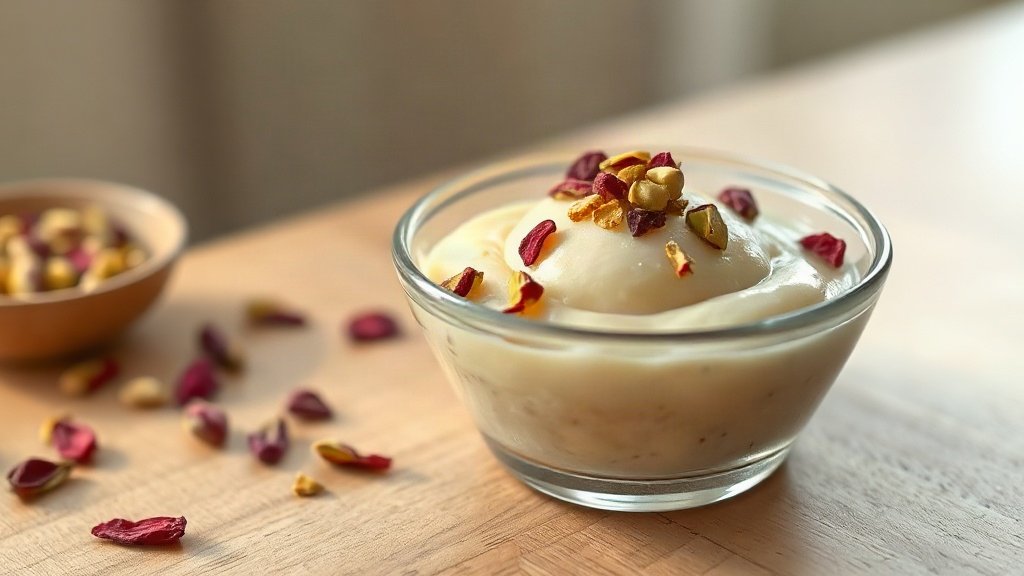
Illustration: AI-generated image
Across the Gulf, after a generous meal of spiced rice and grilled meat, dessert often arrives in the form of a gently fragrant, creamy pudding. One of the most beloved is sagoo, a silky sweet made from tiny sago pearls simmered in milk and perfumed with rose water, cardamom and saffron. It is a dessert of quiet comfort, served at family gatherings, during Ramadan iftar tables, and for special occasions throughout the year.
What Is Sagoo?
Sagoo takes its name from sago, a starch extracted from the pith of certain tropical palm stems. In Gulf kitchens, the pearls are cooked until translucent and suspended in a lightly sweetened milk mixture. The result is a dessert with a delicate, almost jelly-like texture and a gentle floral aroma. It is similar to other milk-based puddings of the region, such as mahalabiya, but the presence of the soft, chewy pearls gives sagoo its own distinct character.
Ingredients and Flavours
The base of sagoo is simple: sago pearls, milk, sugar, and a fragrant trio of rose water, cardamom and saffron. Some cooks add a touch of orange blossom water for extra depth, while others stir in a little ground cinnamon or a splash of cream for richness. The key is balance—the floral notes should be present but never overpowering, allowing the creaminess of the milk to shine through.
Sago pearls come in different sizes. The small, fine pearls are most common for this dessert, as they cook quickly and blend smoothly into the milk. Larger pearls can be used for a more pronounced texture, but they require longer soaking and simmering.
How It Is Served
Sagoo is typically served chilled or at room temperature, often in individual glass bowls or small cups. It is usually garnished with a sprinkle of chopped pistachios, almonds, or sometimes dried rose petals. During Ramadan, it appears regularly on iftar spreads as a light, soothing end to the meal after a day of fasting. It is also a popular choice for Eid celebrations and family gatherings, where large batches are prepared in advance and kept in the refrigerator.
The pudding is naturally gluten-free and can easily be made vegan by substituting the dairy milk with almond or coconut milk, though the traditional version uses full-fat cow's milk for a richer result.
A Note on Variations
While the classic rose-cardamom flavouring is widespread, regional variations exist. Some cooks in the Gulf prefer a stronger saffron presence, giving the pudding a golden hue and a more earthy aroma. Others add a pinch of mastic or a few drops of mahlab for a subtle resinous note. No matter the twist, sagoo remains a dessert rooted in simplicity—a few humble ingredients transformed into something soothing and celebratory.