Saffron in Gulf Cooking: How to Use the Golden Spice
Saffron, the golden spice of Gulf kitchens, adds colour, aroma and a subtle floral note to rice dishes, sweets and drinks. Here's how to choose, store and use it.
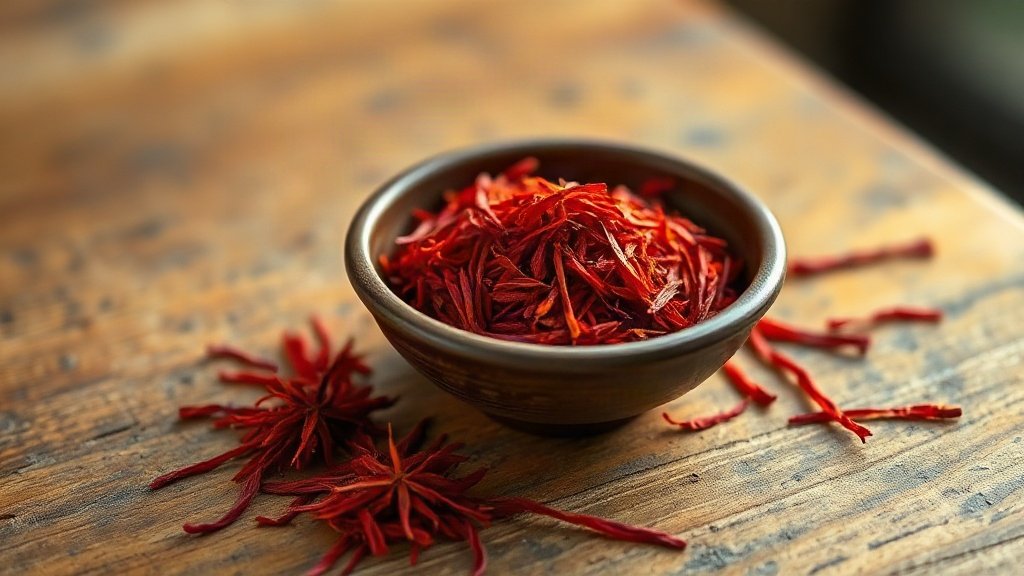
Illustration: AI-generated image
Saffron, often called the golden spice, is one of the most treasured ingredients in Gulf kitchens. It lends a warm golden colour, a delicate honey-like aroma and a subtle earthy flavour to rice dishes, festive meats, sweets and even tea. Although saffron is used in many cuisines, it holds a special place in the Gulf, where it is stirred into fragrant rice pilafs, festive lamb dishes and sweet, milky desserts. Its high cost means it is treated with respect, but a tiny amount is often all that is needed.
Choosing Saffron
Good saffron consists of deep red threads with slightly lighter, orange-red tips. Avoid powder if possible, as it may be adulterated; whole threads are easier to assess. Top-quality saffron has a strong, sweet, hay-like fragrance even before soaking, and it should never smell musty. When buying, look for uniform colour and dry, brittle threads that snap cleanly. Avoid saffron that appears dull brown or has many yellow styles attached; the red stigmas are the most flavourful part. Also be wary of threads that feel damp, as this may indicate poor storage.
Storing Saffron
Saffron loses its potency when exposed to light, heat and air. Keep it in an airtight container, away from direct sunlight, ideally in a cool, dark cupboard. Properly stored, whole threads can retain their flavour for up to two years, though for best results use within a year. Some cooks keep a small amount of saffron in the freezer to extend its life, but this is not necessary if the threads are stored properly at room temperature.
How to Use Saffron in Gulf Dishes
The most common way to use saffron in Gulf cooking is to infuse it in warm liquid before adding to a dish. Soak a small pinch of threads in two to three tablespoons of warm water, milk or rose water for at least 15 minutes. This draws out the colour and flavour. The liquid, along with the threads, can then be stirred into rice, stews or desserts.
In classic Gulf rice dishes such as machboos or kabsa, saffron is often mixed with a little of the cooking liquid and then drizzled over the rice just before serving, creating a beautiful marbled effect. For a deeper colour, use a slightly larger pinch and soak for longer.
Saffron in Sweets and Drinks
Saffron also shines in Gulf desserts. A few threads infused in warm milk or syrup can flavour puddings like muhallabia or rice pudding. It pairs wonderfully with cardamom and rose water. For a simple treat, add a pinch of saffron to a jug of warm milk with honey and crushed cardamom.
In drinks, saffron is sometimes added to Arabic coffee or tea for a festive touch. A small amount goes a long way, so start with just a few threads per cup.
Tips for Maximum Flavour
- Always crush saffron threads lightly between your fingers before soaking to release more flavour.
- Use warm, not boiling, liquid for soaking; boiling can reduce the delicate aroma.
- Add saffron towards the end of cooking for rice to preserve its colour and fragrance.
- For an even golden colour in rice, dissolve saffron in a little of the cooking water and drizzle over the top before steaming.
- Be careful not to use too much; an excess can make food taste slightly bitter or medicinal.
With these simple guidelines, saffron can become a regular part of your Gulf-inspired cooking, adding both visual appeal and a subtle, sophisticated flavour.