Pearl Diving in the Gulf: A Tradition That Shaped the Region
For centuries, pearl diving was the economic heart of the Gulf. Today, its legacy is preserved in museums, cultural events, and even hands-on diving experiences.
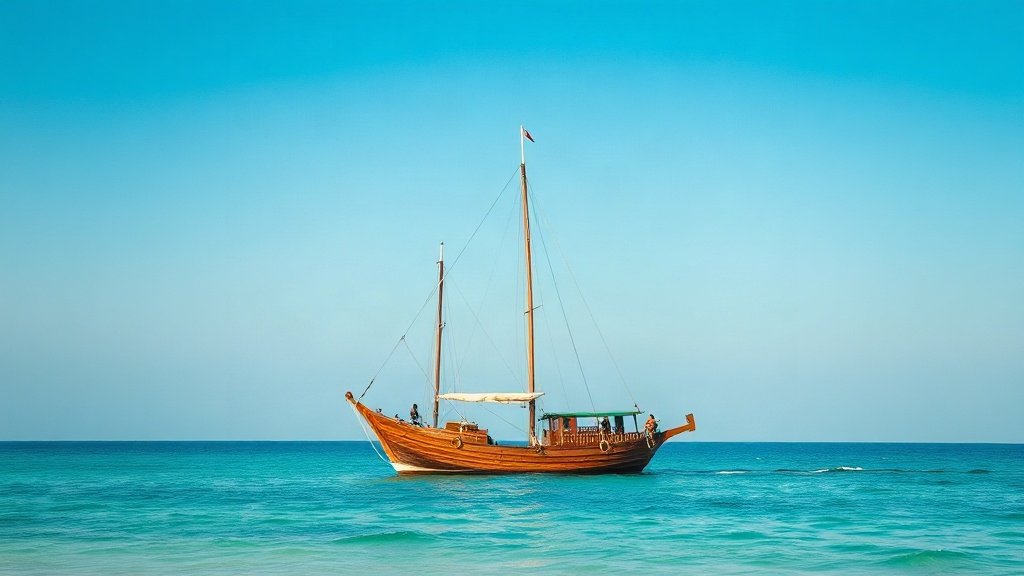
Illustration: AI-generated image
Long before oil transformed the Arabian Peninsula, the Gulf's economy depended on a treasure from the sea: pearls. For centuries, the region's shallow, warm waters produced some of the world's most sought-after natural pearls, funding trade, building cities, and shaping a unique maritime culture.
A Maritime Economy
Pearl diving was not a hobby but a livelihood for thousands of men. Entire coastal communities revolved around the pearling season, which typically ran from late spring to early autumn, when the water was warmest. Families relied on the income from a successful season, and the industry supported shipbuilders, traders, merchants, and craftsmen. The pearls were exported to India, Persia, and eventually Europe, where they adorned royalty and the wealthy.
The Diving Season and Techniques
Diving was arduous and dangerous. Divers, often starting as young boys, would descend without modern equipment. They used a simple nose clip made of turtle shell or wood, and a stone weight attached to a rope to help them sink quickly. Once on the seabed, they would fill a basket with as many oysters as possible before being pulled up by a rope holder (saib). A typical dive lasted one to two minutes, and divers repeated this dozens of times a day.
Life on the dhow was highly organised. The crew included the captain (nakhuda), divers, rope pullers, and a singer (nahham) who performed traditional work songs (nahma) to keep morale high. These songs, with their rhythmic chants, are still performed at cultural events today.
Decline and Legacy
The industry collapsed in the early 20th century for two main reasons: the development of cultured pearls by Japanese innovators like Kokichi Mikimoto, and the discovery of oil in the Gulf. Cultured pearls flooded the market at a fraction of the cost, and oil offered safer, more lucrative employment. By the 1950s, traditional pearling had all but disappeared.
However, the heritage lives on. Bahrain's Pearling Trail, a UNESCO World Heritage Site, preserves the historic buildings and oyster beds that tell the story. Museums across the Gulf display ancient diving equipment, and cultural festivals celebrate the songs and stories of the divers.
Experiencing Pearl Diving Today
Visitors can still connect with this tradition. Several Gulf cities have museums dedicated to pearling, such as the Pearl Museum in Dubai or the Bahrain National Museum. For a more immersive experience, some tour operators offer pearl diving excursions, where you can board a traditional dhow, learn the old techniques, and try your hand at diving for oysters (under professional supervision). You might even find your own pearl, though modern regulations often restrict the practice to designated areas.
- Visit a pearling museum to see original diving equipment and historical photographs.
- Attend a cultural festival where nahma songs and traditional dances are performed.
- Book a heritage diving tour to experience the sense of adventure and connection to the sea.
Pearl diving is more than history; it is a reminder of the Gulf's resilience and its deep bond with the ocean. By learning about this tradition, residents and visitors alike gain a deeper appreciation for the region's rich cultural fabric.