Middle East told to choose: Bronze Age collapse or Phoenician revival
A new commentary compares today's trade fragmentation to the Bronze Age collapse and urges Gulf states to become trusted connectors.
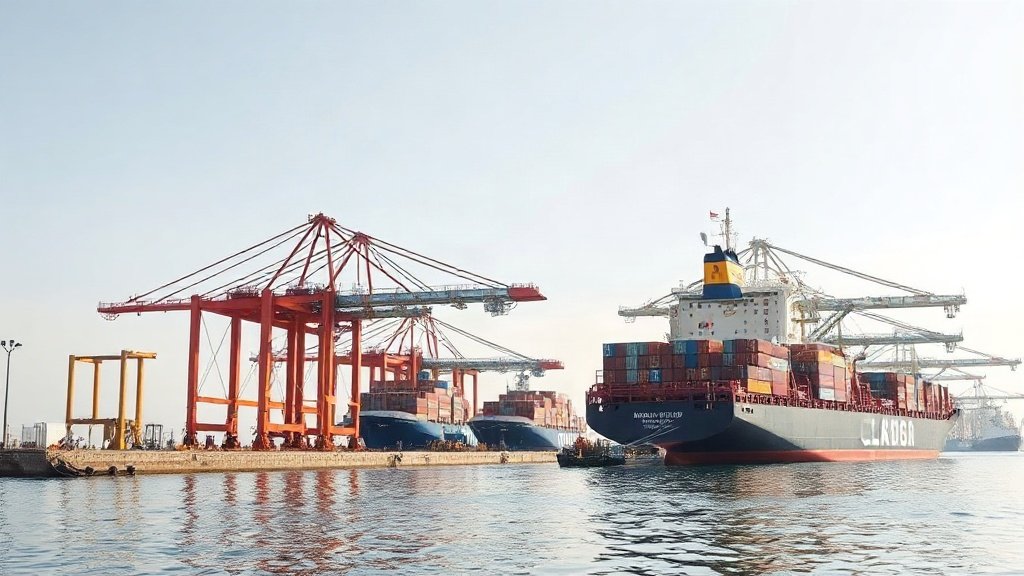
Illustration: AI-generated image
The Middle East stands at a crossroads that echoes one of history’s most dramatic collapses, according to a new commentary in The National. It argues that today’s fragmenting global trade system resembles the Bronze Age world that unravelled around 1177 BC, but that the region can still choose a path of resilience and revival.
The commentary, published on Monday, points to World Trade Organisation estimates showing that tariffs and other trade restrictions now affect 11 per cent of global imports – the highest share in more than 15 years. For the 57 member states of the Organisation of Islamic Co-operation (OIC), the stakes are particularly high.
Many OIC economies depend on one or two exports, import much of their food, and hold dollar-denominated debt while facing heat, drought and water scarcity. Recent disruptions in the Red Sea and the war in Ukraine have shown how quickly a single corridor or breadbasket can raise costs from Egypt to the Gulf.
Yet the commentary sees reasons for optimism. Unlike the doomed Bronze Age city of Ugarit, which waited in vain for help, the UAE and its neighbours maintain working relationships with the US, China, Europe, India, Russia and Africa at the same time. In a world of blocs, such trusted connectors become more valuable.
The piece urges policymakers, investors and business leaders to focus on three clear priorities. First, diversify deliberately across exports, suppliers, markets and currencies so that no single partner becomes a single point of failure. Second, build strategic reserves of food, water, energy and foreign exchange – the modern equivalent of granaries. Third, plan for combined shocks by stress-testing against drought, conflict, price surges and capital flight.
For Gulf readers, the message is practical: the region can either suffer the slow erosion of a fragmented system or position itself as the nimble Phoenicia of the modern age – trading with everyone, trusting no single bloc, and turning geography into leverage.