Greeting Your Gulf Business Partners: Essential Arabic Phrases and Etiquette
A beginner-friendly guide to common Arabic greetings, titles, and cultural nuances that help build rapport in Gulf business meetings.
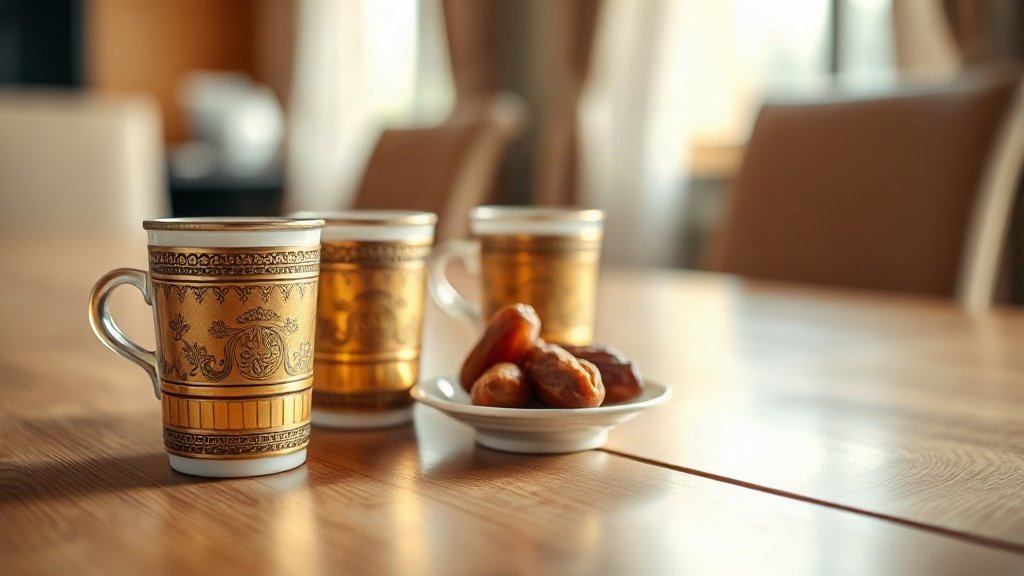
Illustration: AI-generated image
In Gulf business culture, a warm and respectful greeting sets the tone for any meeting. While English is widely spoken, using a few Arabic phrases shows genuine interest and respect. This guide covers essential greetings, titles, and etiquette to help you connect with confidence.
Common Greetings
The most common greeting is "As-salamu alaykum" (peace be upon you). The reply is "Wa alaykum as-salam" (and upon you be peace). Use this in formal and informal settings. For a shorter, casual greeting, "Marhaba" (hello) works well. In the morning, say "Sabah al-khayr" (good morning); after midday, use "Masa' al-khayr" (good afternoon/evening).
When meeting someone for the first time, add "Tasharrafna" (pleased to meet you). To ask how someone is, say "Kayf halak?" (to a man) or "Kayf halik?" (to a woman). The standard reply is "Alhamdulillah" (praise be to God), often followed by "wa ant?" (and you?).
Using Titles and Names
Address people by their title and first name. Common titles include "Sayyid" (Mr.), "Sayyida" (Mrs./Ms.), and "Ustadh" (a respectful term for a learned person). For those with doctoral degrees, use "Doctor" followed by the first name. If you are unsure, simply ask: "Kayfa ukhatebuk?" (How should I address you?).
Gulf names often include a patronymic chain. The first name is the given name, followed by the father's name, grandfather's name, and family name. When in doubt, use the first name with a title, as it is considered polite and correct.
Non-Verbal Etiquette
Handshakes are common between men. A light, extended handshake with the right hand is standard; some may place the left hand over their heart after shaking as a sign of sincerity. Between men and women, wait for the woman to extend her hand first; if she does not, a nod and a verbal greeting are appropriate. Avoid physical contact with the opposite sex in conservative settings.
Maintain eye contact, but avoid prolonged staring. Standing when someone enters the room, especially elders or senior executives, shows respect. "Ahlan wa sahlan" (welcome) is often said to guests; reply with "Ahlan bikum" (welcome to you).
Small Talk and Pleasantries
Before discussing business, engage in light conversation. Ask about family in general terms: "Kayf al-ailah?" (How is the family?). A safe topic is travel: "Kayfa kanat rihlatuk?" (How was your trip?). Avoid personal questions about female family members. To offer refreshment, you might say "Tafaddal" (please, help yourself). When receiving Arabic coffee, take the cup with your right hand and shake it gently when you have had enough.
Closing the Meeting
To thank your host, say "Shukran jazilan" (thank you very much). End with "Ma'a as-salama" (goodbye) or "Ila al-liqa'" (until we meet again). A common parting blessing is "Fi aman Allah" (in God's protection).
Using these phrases, even imperfectly, will be appreciated. It signals that you value the relationship beyond the transaction—a cornerstone of Gulf business culture.