How to Do Business During Ramadan in the Gulf: A Practical Guide
Ramadan changes the rhythm of business across the Gulf. Here is how to plan meetings, adjust working hours and show respect during the holy month.
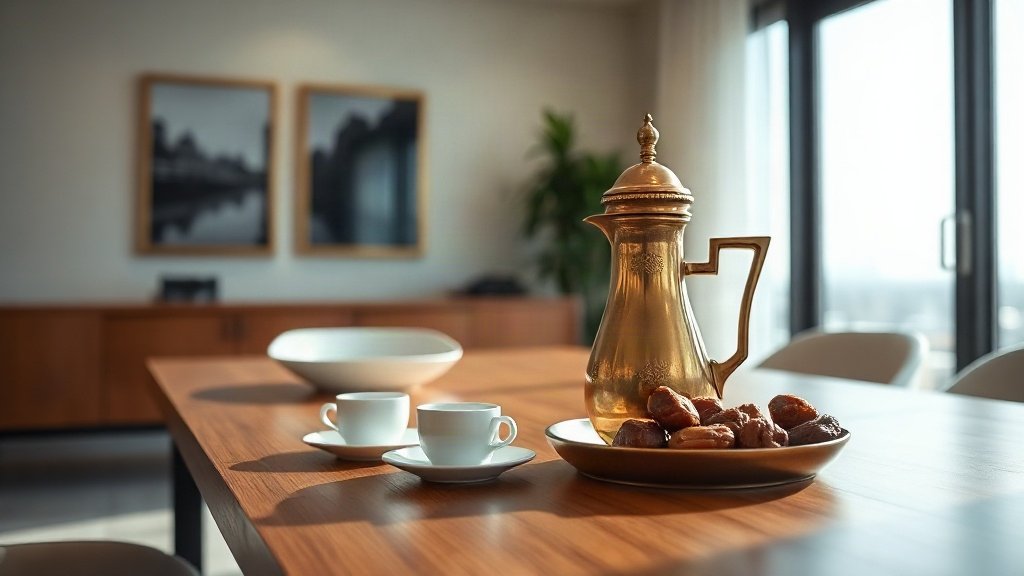
Illustration: AI-generated image
Ramadan, the ninth month of the Islamic lunar calendar, is observed by Muslims across the Gulf through fasting, prayer and reflection. For businesses operating in Saudi Arabia, the UAE, Qatar, Kuwait, Bahrain and Oman, the holy month brings a distinct change in working rhythms. Understanding these adjustments can help professionals maintain strong relationships and avoid misunderstandings.
Working Hours and Scheduling
Most Gulf countries reduce official working hours for both public and private sector employees during Ramadan. The exact reduction varies by country, but a common practice is a two-hour shorter workday. Many offices open later in the morning and close earlier in the afternoon, often before the iftar meal at sunset. It is wise to confirm the revised hours with your local partners and plan meetings accordingly.
Productivity can be affected by fasting and interrupted sleep, as evenings are filled with prayers and social gatherings. Avoid scheduling meetings late in the afternoon when energy levels may be lowest. The period immediately after iftar is generally reserved for family and breaking the fast, so business calls and emails should be kept to a minimum at that time.
Meeting Etiquette
Business meetings during Ramadan are usually shorter and more focused. It is respectful to begin with a brief greeting and an inquiry about the other person's Ramadan, such as “Ramadan Kareem” (generous Ramadan) or “Ramadan Mubarak” (blessed Ramadan). However, avoid protracted small talk if your counterpart appears to be conserving energy.
Punctuality remains important, but be understanding if a meeting starts a few minutes late due to prayer times or other Ramadan commitments. If you are invited to an iftar dinner, consider it a valuable relationship-building opportunity. Arriving on time or slightly early is appreciated, and dressing conservatively is recommended.
Food, Drink and Hospitality
During daylight hours, it is illegal in most Gulf countries for anyone – Muslim or non-Muslim – to eat, drink or smoke in public places. Many offices provide a designated area for non-fasting staff to consume food and beverages discreetly. As a visitor, always ask where you can have a drink or a snack rather than assuming. Offering food or drink to a fasting colleague during the day is considered insensitive.
When invited to an iftar or suhoor (pre-dawn meal), it is customary to accept if your schedule allows. Bring a small gift such as dates, sweets or Arabic coffee as a gesture of thanks. At the meal, wait for the call to prayer before eating, and do not rush the host.
Communication and Follow-Up
Email and phone response times may be slower than usual during Ramadan, particularly in the last ten days of the month when Muslims increase their worship. Important business decisions are often postponed until after Eid al-Fitr, the festival marking the end of Ramadan. If you need a signature or a final answer, try to conclude it before the final week of Ramadan or plan for after the Eid holidays.
Above all, demonstrate patience and respect. Showing genuine interest in the cultural and spiritual aspects of Ramadan can strengthen your professional relationships long after the month ends.