Jebel Jais: A Practical Guide to the UAE's Highest Mountain
Discover the scenic drive, hiking trails and cooler temperatures of Ras Al Khaimah's rugged peak.
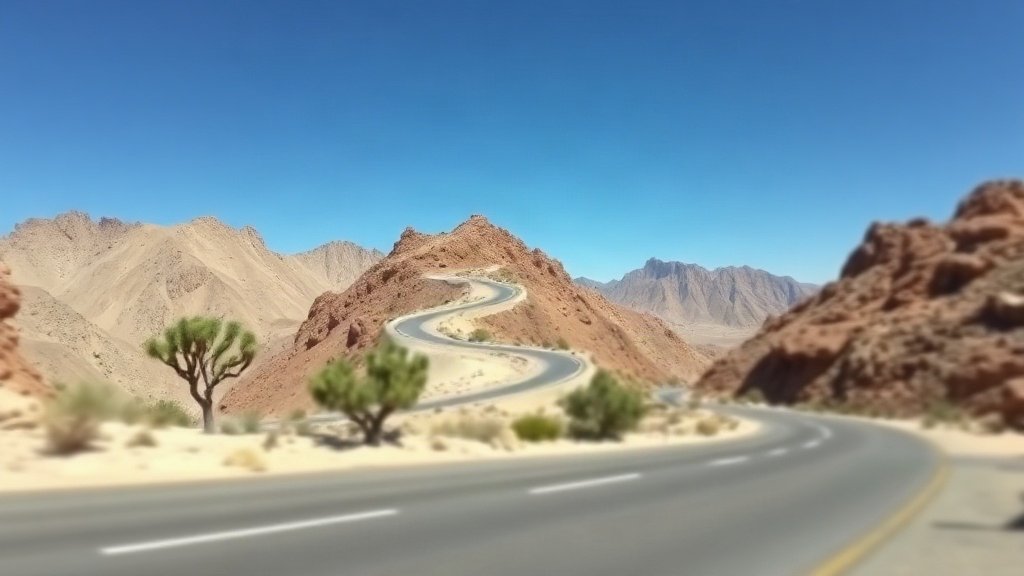
Illustration: AI-generated image
Rising to around 1,934 metres, Jebel Jais is the highest peak in the United Arab Emirates. Part of the dramatic Hajar mountain range, it sits in the emirate of Ras Al Khaimah, roughly a 90-minute drive from Dubai. The mountain offers a welcome escape from the coast, with noticeably cooler temperatures, sweeping views and a landscape of rugged limestone cliffs and deep wadis.
Getting there
A car is essential for visiting Jebel Jais. The route from Dubai or Sharjah follows well-maintained highways to Ras Al Khaimah, then climbs a smooth, purpose-built mountain road with many hairpin bends. The drive itself is a highlight, with lay-bys and viewing platforms where you can stop to take in the panorama. There is no public transport to the summit, so plan accordingly. Petrol stations are available in the towns before the ascent, but not on the mountain itself.
The scenic drive
The road to Jebel Jais is one of the most rewarding drives in the UAE. It winds steadily upwards through barren, rocky terrain, past terraced slopes and occasional stands of acacia. At several points you can pull over and look down over the plains stretching towards the Gulf. Early morning and late afternoon offer the best light for photography, and the air is often clearer in winter.
Hiking and walking
Several marked trails start from the upper parking areas. Some are short and suitable for families, following gentle gradients to viewpoints. Others are longer and more demanding, climbing over loose rock and requiring a reasonable level of fitness. Always check trail conditions before setting out, wear sturdy shoes and carry plenty of water. The mountain paths can be hot even in cooler months, and there is little shade.
Weather and best time to visit
Jebel Jais is a year-round destination, but the most comfortable months are from October to March, when daytime temperatures range from pleasant to cool. Summer visits are possible, as the summit is usually several degrees cooler than the coast, but midday hiking should be avoided. Rain is rare but can occur in winter, sometimes making the road slippery. Check the forecast before you go.
Practical tips
There are no shops or restaurants on the mountain itself, so bring your own food and water. Binoculars are useful for spotting birds of prey and, on clear days, the coastline. Mobile phone coverage is generally good on the road but can be patchy on some trails. If you plan to stay after sunset, bring warm layers – temperatures drop quickly after dark. As always in natural areas, take all rubbish with you and stay on marked paths to protect the fragile environment.