How to Navigate Gulf Supermarkets: A Practical Guide
Navigate Gulf supermarkets with confidence: from store layouts and local products to payment options and shopping etiquette, this guide covers everything a newcomer needs to know.
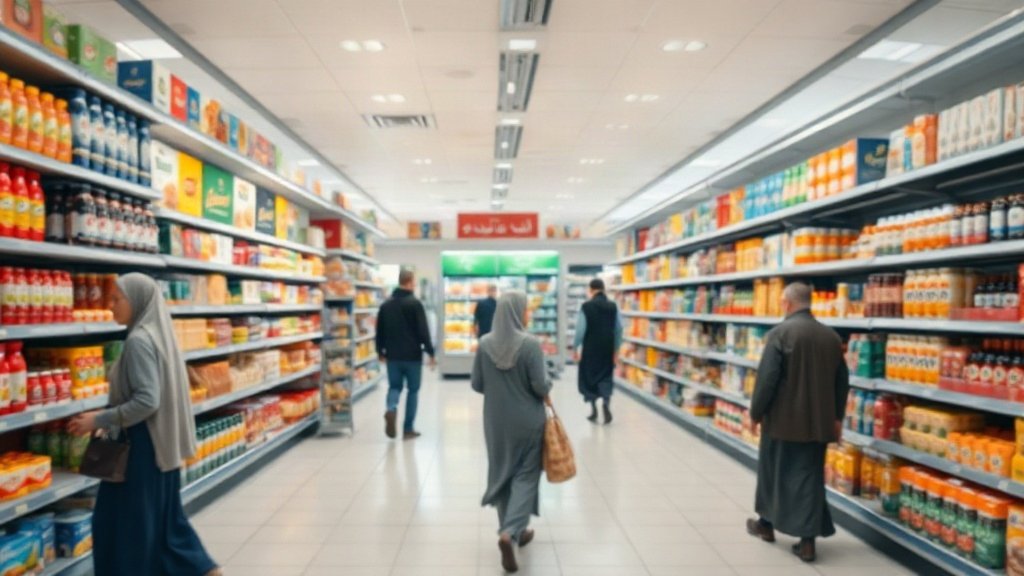
Illustration: AI-generated image
Grocery shopping in the Gulf is a world apart from many other regions, offering a blend of local tradition and international convenience. Whether you have just arrived or are looking to streamline your weekly shop, understanding how supermarkets work here can save you time, money and stress.
Understanding the Store Layout
Most large supermarkets, often called hypermarkets, follow a similar flow. Fresh produce, bakery and deli counters are usually near the entrance, while frozen foods, dairy and pantry items are arranged along central aisles. Non-food items such as cleaning supplies, kitchenware and electronics are typically at the back or on a separate floor. Car parking is generally free and plentiful, and trolleys or baskets are available at the entrance. Some stores have dedicated family parking spots and mother-and-baby rooms.
What to Expect on the Shelves
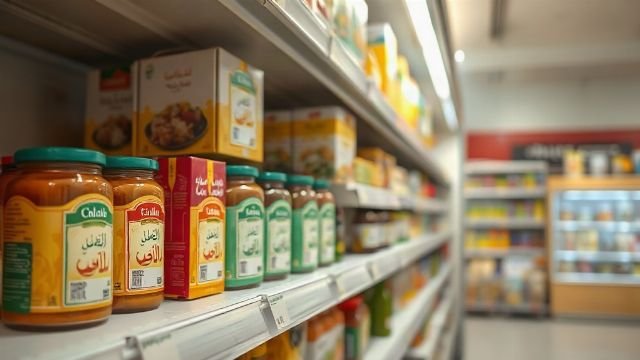
You will find a huge range of international products alongside local favourites. Major brands from Europe, North America, Asia and Australia are common, but local and regional brands often cost less and are worth trying. Staples like rice, flour and cooking oil are sold in large sacks or multi-litre containers. The spice aisle is a treasure trove, with whole and ground spices in bulk. Dates, a Gulf staple, are prominently displayed year-round, with many varieties from soft and syrupy to dry and firm. Fresh meat and fish counters are staffed by butchers who will cut, clean or mince to order; all meat is halal. Look for Arabic coffee (qahwa), rose water and orange blossom water in the beverage and baking sections.
Payment and Loyalty
All major payment methods are accepted: cash, debit and credit cards, and increasingly mobile wallets. Many supermarkets offer loyalty programmes; signing up is free and can earn points or instant discounts. Keep an eye out for special member pricing on shelf labels. At the checkout, you may find separate lanes for customers with fewer items, and some stores have family lanes with wider aisles for prams. Bagging is often done by staff, but you can also pack your own bags. Reusable bags are encouraged; some stores charge a small fee for plastic bags, so it is smart to bring your own.
Shopping Etiquette and Customs
Dress modestly, covering shoulders and knees, as you would in any public space. The weekend in most Gulf countries falls on Friday and Saturday, with Friday being the main day off. Many supermarkets close for a few hours around Friday midday prayers and reopen in the afternoon, so plan accordingly. During prayer times, background music may be switched off. Be patient in queues, especially during evening rush hours and before public holidays. It is not customary to tip baggers or parking attendants, but a kind word is always appreciated.
Making the Most of Your Visit
To avoid crowds, shop on weekday mornings or late evenings after 9pm. Check weekly flyers or supermarket apps for promotions, and consider buying non-perishable items in bulk when discounted. For fresh produce, look for local and seasonal items; Gulf-grown tomatoes, cucumbers and herbs are often excellent and affordable. If you enjoy cooking, explore the frozen section for high-quality seafood and imported meats. Many supermarkets offer home delivery through their websites or third-party apps, which can be a lifesaver during hot summer months.
With a little know-how, grocery shopping in the Gulf can be a pleasant and efficient part of your weekly routine. Embrace the variety, learn the rhythms and you will soon feel like a local.