How to Navigate a Traditional Souq in the Gulf: A Practical Guide
From haggling with a smile to understanding the rhythm of the day, here’s how to make the most of a traditional Arabian market.
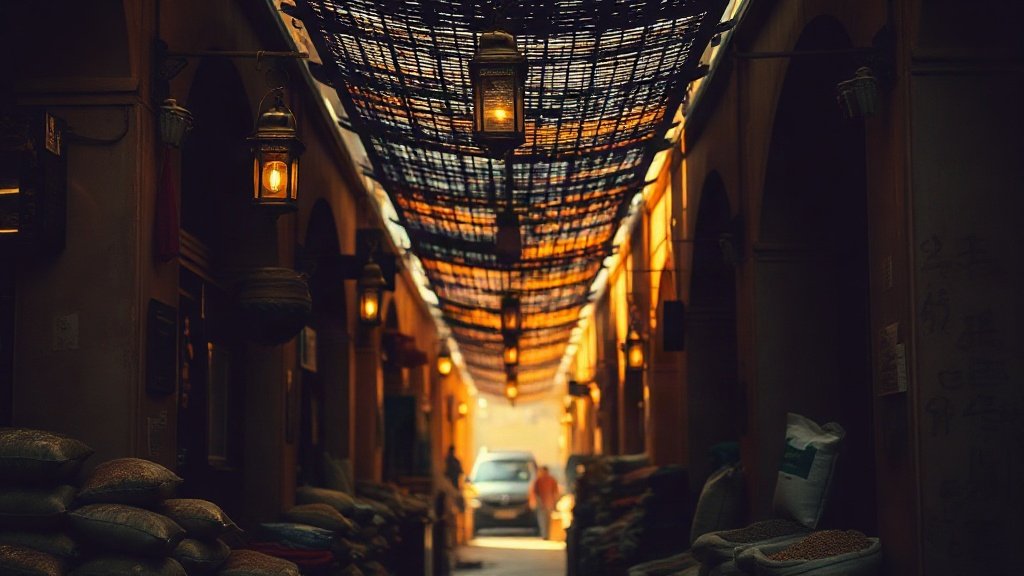
Illustration: AI-generated image
Souqs are the beating heart of Gulf cities, where the scent of spices, the glint of gold and the hum of haggling come together. Whether you are hunting for perfume oils, handwoven textiles or a box of sticky dates, knowing a few simple customs will make your visit smoother and more enjoyable.
Understanding the Souq
A traditional souq is often a labyrinth of narrow lanes, sometimes covered against the sun and organised by trade. You may find a gold souq, a spice souq, a textile souq and a perfume souq clustered together, each with its own character. Many souqs follow a natural daily rhythm: they are lively in the morning and again after the late afternoon prayer, with a quieter stretch during the hottest part of the day when some shops may close for a break.
The atmosphere is social as much as commercial. Shopkeepers often offer a small cup of Arabic coffee or a date to welcome you. Accepting this gesture is polite, even if you do not buy anything. It is a sign of hospitality and a moment to exchange greetings.
Etiquette and Customs
Dress modestly, covering shoulders and knees, as a sign of respect for local culture. When you enter a shop, a warm “As-salamu alaykum” (peace be upon you) is appreciated. If you are just browsing, a simple “thank you” when leaving is enough.
Take care when photographing. Always ask for permission before taking pictures of people, and avoid snapping close-ups of goods without a friendly nod from the owner. Some sellers may see it as intrusive, while others will happily pose.
When handed an item to examine, handle it with care. If you sit down for tea, accept it with your right hand, as the left hand is traditionally considered unclean in many Arab cultures.
Bargaining with Respect
Haggling is expected in many traditional souqs, but it is a friendly exchange, not a battle. Start by asking the price, then offer a lower but reasonable counter. A good rule is to begin at around half the asking price and settle somewhere in the middle, though this varies. Keep the tone light and smiling – never aggressive. If the seller cannot meet your price, thank them and walk away; often they will call you back, but sometimes not, and that is fine.
Remember that many artisans and traders rely on their daily sales. A fair price is one that leaves both sides satisfied. If you love an item and the price is already modest, paying the asking amount is a kind gesture.
Practical Tips
Carry cash in small denominations, as not all stalls accept cards. Keep a reusable water bottle, especially in warmer months, and wear comfortable shoes for uneven stone floors. If you are unsure about quality, compare a few shops before buying.
- Visit in the early evening when the air cools and the souq comes alive with families and food stalls.
- Learn a few Arabic phrases: “bikam hadha?” (how much is this?) and “ghali” (expensive) go a long way.
- Keep your bag zipped and close to your body, as in any crowded market.
- If you are invited into a back room for tea or a special item, trust your instincts; it is usually a genuine gesture of hospitality.
Above all, slow down. The souq is a place to wander, to smell the frankincense and to hear the call to prayer echo over the rooftops. With a little patience and courtesy, you will leave with more than a purchase – you will carry home a memory of everyday Gulf life.