How to Decorate Your Gulf Home for Ramadan: A Practical Guide
Discover the traditional decorations that bring warmth and meaning to Gulf homes during Ramadan, from glowing lanterns to symbolic crescent motifs.
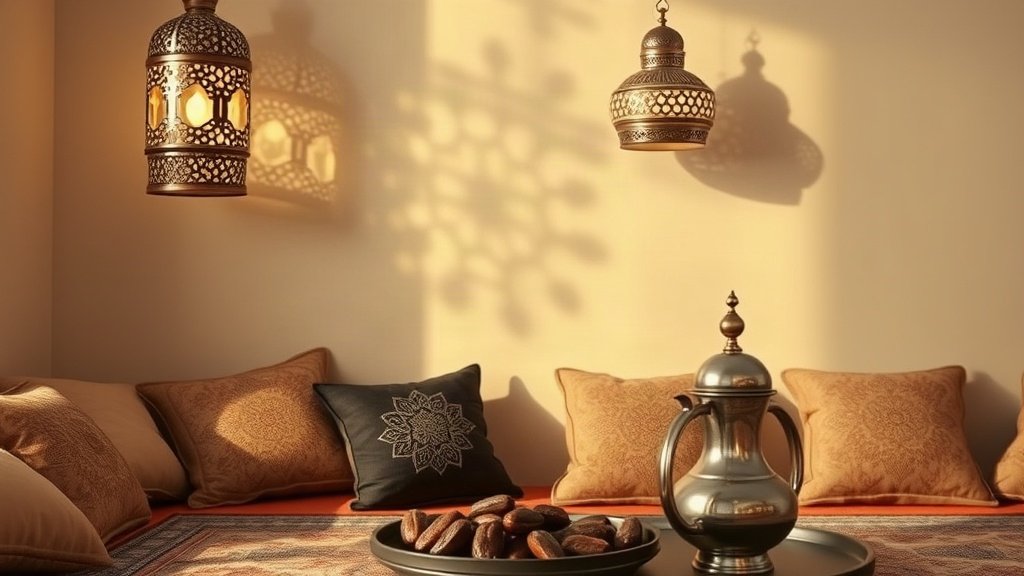
Illustration: AI-generated image
Ramadan is a time of reflection, family and generosity, and in the Gulf, homes are often transformed into spaces that reflect the spirit of the month. Traditional decorations are not merely ornamental; they carry cultural meaning and create an atmosphere of warmth and welcome. Whether you are new to the region or have lived here for years, incorporating a few time-honoured touches can make your home feel more connected to the season.
The Glow of Lanterns (Fanoos)
The fanoos, or lantern, is one of the most recognisable symbols of Ramadan across the Arab world. Historically, these lanterns lit the way for people walking to the mosque for evening prayers. Today, they are used indoors to create a soft, inviting glow. In the Gulf, you will find beautifully crafted metal lanterns with intricate cut-out patterns that cast delicate shadows. For safety and ease, many households use battery-operated LED candles or bulbs inside, but traditional oil lamps are still admired for their authenticity. Place them on side tables, in window sills or along the hallway to bring a gentle light into your home after sunset.
Crescent and Star Motifs
The crescent moon and star are widely associated with Ramadan and Islamic culture. Decorating with these symbols can be as simple as choosing cushions or wall hangings featuring the motif, or as creative as making your own paper crescents to string across a room. In many Gulf homes, you will find brass or wooden crescent ornaments hanging near the entrance, symbolising the sighting of the new moon that begins the holy month. A small crescent on the dining table or above the majlis adds a subtle, meaningful touch.
Dates and the Dallah on Display
Dates and Arabic coffee are central to Gulf hospitality, especially during Ramadan when they are served to break the fast. Displaying a bowl of premium dates on a low table, alongside a traditional dallah (coffee pot) and small cups, is both practical and decorative. Choose a beautifully engraved dallah and arrange it on a tray with cups to create an inviting centrepiece. This not only looks elegant but also makes it easy to welcome guests for iftar.
Textiles and Cushions in the Majlis
The majlis, or sitting room, is the heart of Gulf homes during Ramadan, where families gather in the evenings. Refresh the space with rich textiles in deep jewel tones—burgundy, emerald, or navy—and an abundance of floor cushions. Traditional patterns such as sadu weaving or geometric Islamic designs add cultural depth. Layering a new rug or draping a throw over the seating can instantly make the room feel more festive and comfortable for long nights of conversation and prayer.
A Ramadan Countdown for Families
For households with children, a simple countdown calendar or good-deeds tree can be a meaningful addition. Craft a small display using paper pockets or envelopes, each containing a kind act or a sweet for each day of Ramadan. This tradition, while not ancient, has become popular in Gulf homes as a way to involve children in the spirit of giving and patience. It also serves as a gentle reminder of the days passing and the approach of Eid.
Creating a Welcoming Atmosphere
Finally, do not overlook the power of scent and sound. Burning bakhoor (incense) in the evening is a cherished Gulf tradition that fills the home with a rich, welcoming aroma. Soft lighting—whether from lanterns, dimmed lamps, or candles—helps transition the home from the bright daytime to the peaceful nights of prayer and reflection. By combining these elements, you create a space that honours tradition and invites family and friends to share in the blessings of the month.