How to Decorate a Majlis: Traditional Gulf Interior Design
A majlis is the heart of Gulf hospitality, where family and friends gather. Learn how to create a warm, welcoming space with traditional seating, textiles and accents.
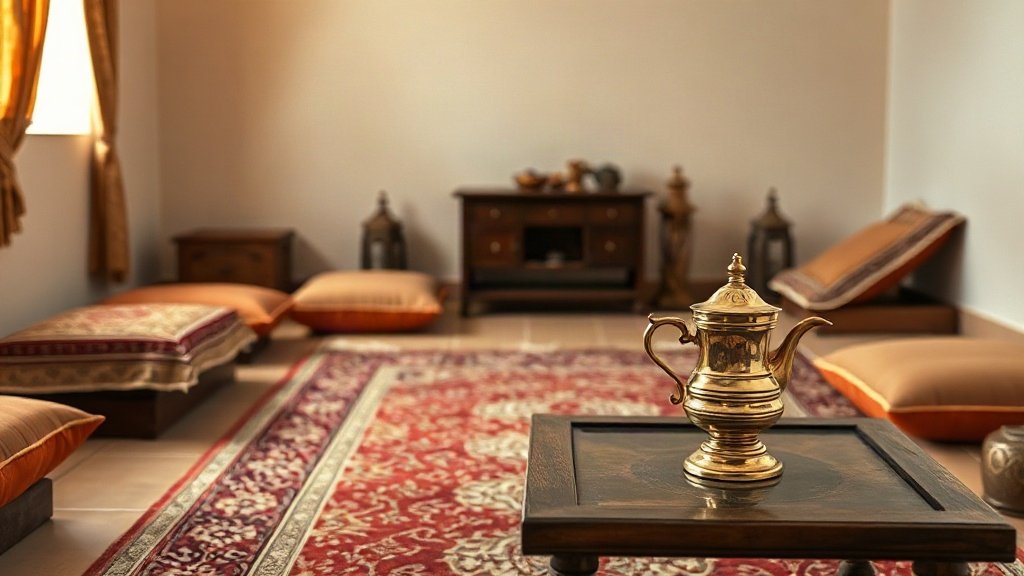
Illustration: AI-generated image
The majlis is more than just a room: it is the social heartbeat of many Gulf homes. Traditionally a separate space or tent where guests are received, it is designed for long conversations, shared coffee and quiet comfort. Creating a majlis at home, or refreshing an existing one, is a wonderful way to embrace local culture and make visitors feel truly welcome.
Understanding the Majlis
In Arabic, majlis literally means "a place of sitting". In the Gulf, it refers to a dedicated reception area, often near the entrance of a home so that guests do not need to pass through private family spaces. The design emphasises low seating and a warm, uncluttered atmosphere. While modern majlis rooms may include sofas, the most traditional arrangement uses cushions and mattresses placed directly on the floor.
Floor Seating and Cushions
Traditional majlis seating consists of long, firm cushions called mattresses or sitting pads laid along the walls, with large backrest cushions (masanid) propped against them. Choose fabrics in rich, earthy tones or subtle geometric patterns. Wool, cotton and velvet are popular choices that remain comfortable in air-conditioned interiors. Arrange the seating in a U-shape or L-shape to encourage conversation and make it easy to serve coffee from the centre of the room.
Rugs and Carpets
A beautiful carpet anchors the majlis and adds warmth underfoot. Traditional Gulf homes often use hand-woven woollen rugs, sometimes with red, burgundy or navy backgrounds and intricate motifs. If you prefer a more contemporary look, choose a flat-weave kilim or a soft neutral carpet that complements your cushions. Ensure the rug is large enough to sit comfortably on, as guests may sit directly on the floor for meals or card games.
Lighting and Ambience
Soft, indirect lighting suits the majlis best. Avoid harsh overhead lights; instead use floor lamps with warm bulbs, or decorative hanging lanterns that cast gentle patterns. Many traditional majlis rooms have recessed ceiling lights that can be dimmed. For special occasions, add candles in hurricane lamps or a few small tea lights placed safely on trays.
Decorative Accents
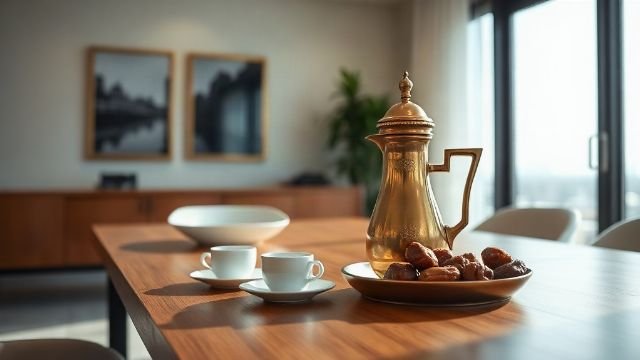
- Dallah and coffee cups: Display a traditional brass or silver coffee pot (dallah) on a low table, along with small handle-less cups (finjan). This signals readiness to serve Arabic coffee, a key part of hospitality.
- Bakhoor burner: A decorative incense burner (mabkhara) is both functional and beautiful. When guests arrive, wafting bakhoor smoke adds a welcoming fragrance.
- Textiles and throws: Add a few extra cushions in contrasting textures, and keep a folded blanket or throw nearby for cooler evenings.
- Calligraphy or art: A framed piece of Arabic calligraphy or a geometric Islamic art print can add a refined focal point without clutter.
Practical Tips for a Welcoming Space
Keep the majlis clutter-free and easy to tidy, as it may be used frequently. Place a small side table for tea glasses or dates, and ensure there is enough floor space for guests to stretch their legs. If children are often present, choose washable cushion covers. Finally, always keep a fresh supply of Arabic coffee, dates and water on hand – in the Gulf, hospitality begins the moment a guest enters the majlis.