How to Choose a Rental Home in the Gulf: A Step-by-Step Guide
From understanding local rental norms to checking the small print, here’s how to find a home that suits your budget and lifestyle.
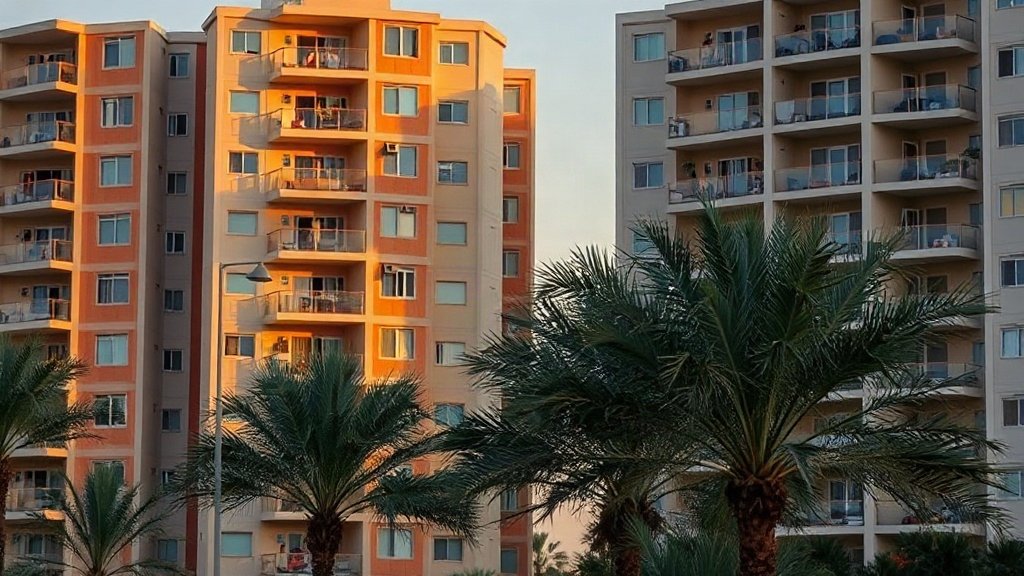
Illustration: AI-generated image
Finding a rental home in the Gulf can feel overwhelming, especially if you are new to the region. But with a little preparation, you can secure a property that fits your needs without unnecessary stress. Here is a practical guide to help you navigate the process.
Start with your budget and priorities
Before you begin your search, work out how much you can comfortably spend on rent each month. Most landlords ask for rent in one or two cheques upfront, so you will need to have savings available. Think about what matters most: proximity to work or school, access to public transport, space for a growing family, or community facilities like a gym and pool. Be realistic about trade-offs — a larger home further from the city centre may offer better value, but a longer commute can eat into your free time.
Understand common lease terms
Residential leases in the Gulf often run for one year and are renewed automatically unless either party gives notice. Payment is usually made in advance, with the number of cheques varying by landlord and emirate. Always read the contract carefully and ask about clauses covering maintenance, utility payments, and early termination. It is common for tenants to pay a security deposit, refundable at the end of the tenancy if the property is left in good condition. Make sure the deposit amount and conditions for its return are clearly stated.
Inspect the property thoroughly
Never sign a lease without viewing the property in person. Check water pressure, air conditioning, and electrical sockets. Look for signs of damp, especially in bathrooms and kitchens. Ask about the building’s maintenance team and how quickly issues are resolved. If you are renting a villa, check the garden and any shared facilities. It is also wise to visit at different times of day to gauge noise levels and traffic.
Consider the cost of cooling
Air conditioning is essential in the Gulf, and cooling costs can be a significant part of your monthly utility bill. In many apartment buildings, cooling is included in a fixed service charge, while in villas you may pay separately based on usage. Ask the landlord or agent for an estimate of typical monthly bills so you can budget accurately. Energy-efficient windows and good insulation can make a noticeable difference.
Check the community and amenities
If you are moving with family, look for communities with parks, playgrounds, and nearby schools. Many residential compounds offer shared swimming pools, gyms, and security. For singles or couples, a smaller apartment in a lively district might be more appealing. Talk to current residents if possible — they can give honest feedback about the building management and neighbourhood.
Negotiate respectfully
Rental prices in the Gulf can be negotiable, especially if the property has been vacant for a while or if you are willing to pay in fewer cheques. Approach negotiations politely and be prepared to compromise. Landlords appreciate reliable tenants who pay on time and care for the property, so highlighting your stability can work in your favour.
Keep records of everything
Once you move in, document the condition of the property with photos or a written inventory. Report any existing damage to the landlord or agent immediately. Keep copies of your lease, payment receipts, and all correspondence. This will protect you if any disputes arise later.
Renting a home in the Gulf can be a smooth process when you know what to expect. With careful planning and attention to the details, you can settle into a place that feels like home.