How to Care for Indoor Plants in the Gulf: A Practical Guide
Bring greenery into your Gulf home with confidence. Learn how to choose, water, and position indoor plants for the region's hot and humid climate.
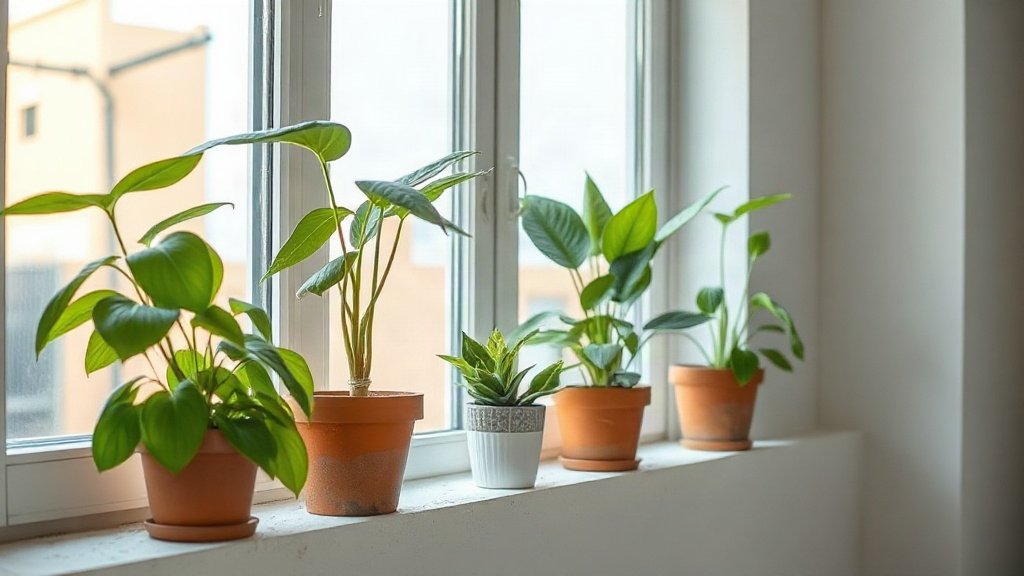
Illustration: AI-generated image
Indoor plants can transform a Gulf home, adding life, colour and a sense of calm. But the region's extreme heat, strong air conditioning and low humidity can make plant care feel like a challenge. The good news is that with a few smart choices and simple habits, you can enjoy thriving greenery all year round.
Choosing the right plants
Start with species known for their resilience in warm, dry indoor environments. Snake plants, pothos, ZZ plants, spider plants and peace lilies are popular choices across the Gulf because they tolerate a range of light levels and forgive occasional neglect. If you want something with a local feel, consider a small date palm or a desert rose — both adapt well to indoor life when given enough light.
Always buy from a reputable nursery and check for signs of health: firm leaves, no yellowing or brown tips, and no visible pests. Avoid plants that have been sitting in direct outdoor sun, as the sudden move indoors can shock them.
Light and placement
Most houseplants prefer bright, indirect light. In Gulf homes, a spot near a north- or east-facing window works well, or a few feet away from a south- or west-facing window where the sun is too intense. Direct afternoon sun can scorch leaves, so use sheer curtains or move plants back during peak hours.
If your home has few windows or deep rooms, choose low-light tolerant plants like the ZZ plant or snake plant. Rotate pots every couple of weeks so all sides get even light and growth stays balanced.
Watering wisely
Overwatering is the most common mistake. In air-conditioned interiors, soil dries more slowly than you might expect. Check the top few centimetres of soil with your finger; if it feels dry, water thoroughly until water drains from the bottom, then empty the saucer. If it still feels damp, wait a few more days.
During the hotter months, you may need to water slightly more often, but always let the plant tell you — wilting leaves can mean both under- and over-watering, so check the soil first. In winter, reduce watering frequency as growth slows.
Humidity and air conditioning
Air conditioning dries the air, and many tropical houseplants suffer in low humidity. Brown leaf tips are a classic sign. To help, group plants together, place pots on trays filled with pebbles and water, or use a small humidifier nearby. Misting is less effective but can provide temporary relief, especially during the hottest afternoons.
Keep plants away from direct airflow from AC vents, as cold drafts can damage leaves and dry out soil quickly.
Soil and fertilising
Use a well-draining potting mix, ideally one formulated for indoor plants. Adding a little perlite or coarse sand helps prevent waterlogging. Fertilise during the growing season — roughly from October to April in the Gulf — using a balanced liquid fertiliser at half strength every four to six weeks. Avoid fertilising in summer when many plants slow down due to heat stress.
Common problems and quick fixes
Yellow leaves often signal overwatering or poor drainage; check roots for rot and adjust your schedule. Brown, crispy edges usually mean low humidity or too much direct sun. Leggy growth with large gaps between leaves indicates insufficient light. For pests like mealybugs or spider mites, wipe leaves with a damp cloth and treat with a mild insecticidal soap.
Enjoying your indoor garden
With the right approach, indoor plants can thrive in Gulf homes and even improve air quality and mood. Start with one or two easy varieties, observe how they respond, and gradually expand your collection. Gardening indoors is a rewarding way to connect with nature while staying cool and comfortable.