Henna in the Gulf: Traditions, Designs and How to Use It Safely
From weddings to Eid, henna has been part of Gulf culture for centuries. Here's what you need to know about its history, patterns and safe application.
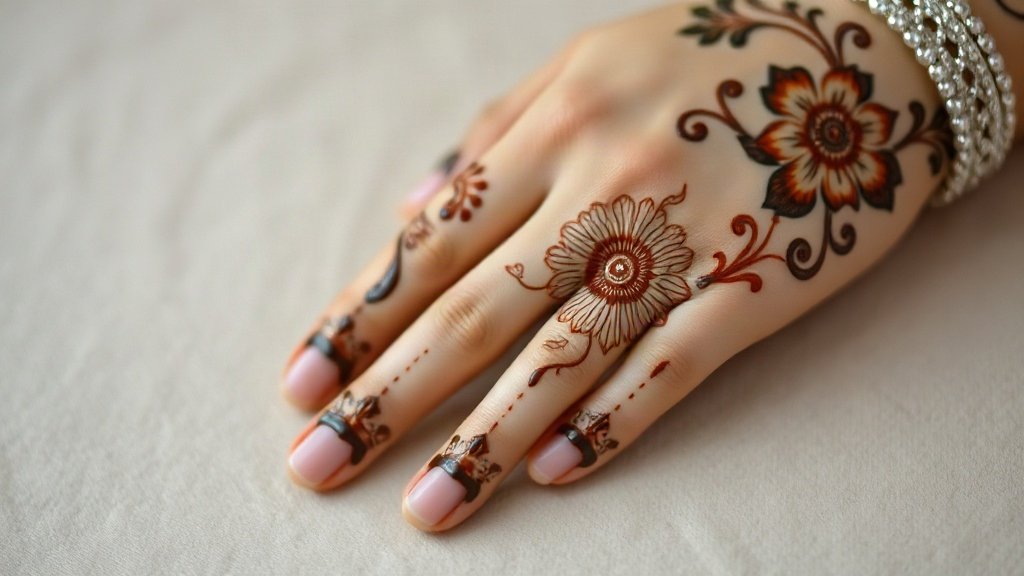
Illustration: AI-generated image
Henna has been part of life in the Gulf for centuries, used to celebrate weddings, religious festivals and other special occasions. The deep reddish-brown stain, applied in intricate patterns, is both beautiful and meaningful. Whether you are new to the region or have lived here for years, understanding henna can help you appreciate local customs and even take part in them.
What is henna?
Henna comes from the leaves of the Lawsonia inermis plant, which grows in warm climates. The leaves are dried and ground into a fine powder, then mixed with liquids such as water, lemon juice or tea to create a paste. When applied to the skin and left for several hours, the paste stains the top layer of skin, leaving a pattern that fades naturally over one to three weeks.
A tradition rooted in celebration
In the Gulf, henna is closely linked to joy and blessing. It is most famously applied to brides before their weddings, often in elaborate designs covering the hands and feet. Family and friends may also have henna done as part of the wedding festivities. Henna is also common during Eid al-Fitr and Eid al-Adha, when women and girls decorate their hands to mark the holiday. For many, it is a way to feel connected to heritage and to share happiness with others.
Common designs and their meanings
Traditional Gulf henna designs tend to be bold and floral, with large motifs rather than the fine, lace-like patterns seen in some other regions. Flowers, vines, peacocks and geometric shapes are popular. While there is no strict rule about what each element means, certain symbols carry general associations in Arab culture: the palm tree represents hospitality and life in the desert, the evil eye motif may be used for protection, and the crescent moon is linked to Islamic tradition. Today, many people simply choose designs they find aesthetically pleasing, mixing traditional and modern styles.
How to apply henna safely
If you want to try henna yourself, you can purchase ready-made cones from speciality shops or mix your own paste using pure henna powder. Always check the ingredients: natural henna is simply the plant powder mixed with a mild acidic liquid and sometimes essential oils. Avoid products labelled “black henna”, as they often contain a chemical called para-phenylenediamine (PPD), which can cause severe skin reactions and permanent scarring. Natural henna never dyes the skin black; it leaves a colour ranging from orange to deep brown or maroon.
Before applying henna, make sure your skin is clean and free of lotions or oils. Squeeze the paste from the cone in thin lines to draw your chosen pattern. Once the design is complete, leave the paste to dry for at least 30 minutes. Some people wrap the area in tissue or cling film to keep the paste warm and moist, which can help the stain develop. The longer you leave it—up to six hours or overnight—the darker and longer-lasting the stain will be.
Aftercare for a lasting stain
When you remove the dried paste, do not wash the area with soap and water immediately. Instead, gently scrape off the paste or use a dry cloth. Avoid water for the first 12 to 24 hours to allow the stain to darken. Applying a natural oil such as coconut or olive oil can help protect the design and keep the skin moisturised. The stain will fade gradually as your skin naturally exfoliates, usually lasting between one and three weeks depending on your skin type and how well you follow aftercare.
Modern uses and where to experience henna
Beyond traditional celebrations, henna is now enjoyed as a form of temporary body art by people of all backgrounds. Many beauty salons across the Gulf offer henna services, and some malls and cultural events have artists who can create designs on the spot. You can also learn to do it yourself with practice kits and online tutorials. Whether you are preparing for a special occasion or simply curious about local customs, henna is a beautiful tradition to explore.