Daqqus and Shatta: The Gulf's Essential Table Sauces
From fresh tomato daqqus to fiery shatta, these two sauces are the unsung heroes of a Gulf dining table. Here's how to make and enjoy them at home.
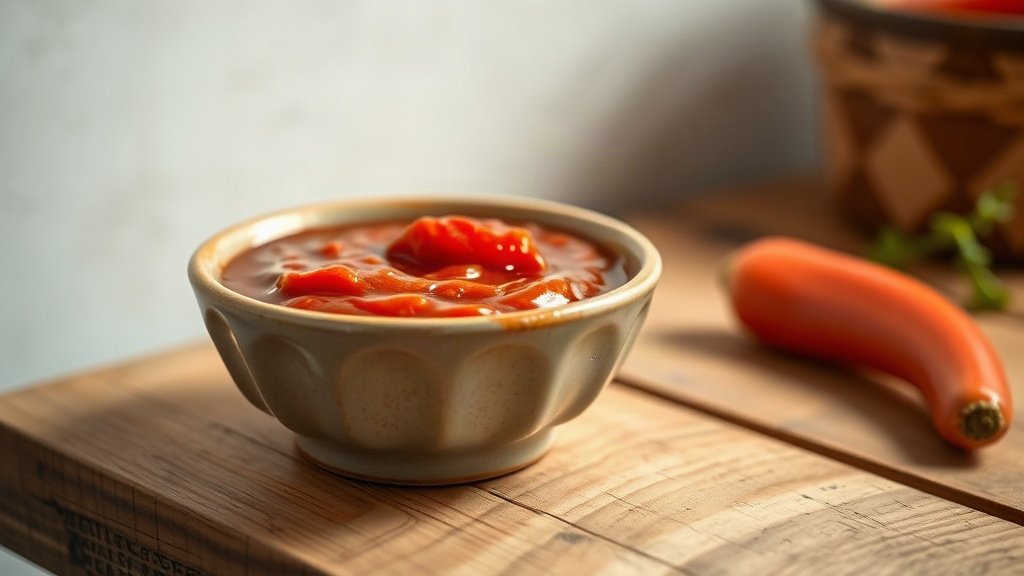
Illustration: AI-generated image
In Gulf homes, a meal is rarely complete without a small bowl of something fiery and tangy on the table. Daqqus and shatta are the region's beloved table sauces, each bringing a different kind of heat and flavour to everything from grilled fish to rice.
What is Daqqus?
Daqqus (also spelled dakous or daqous) is a fresh, vibrant tomato sauce found across the Arabian Peninsula, particularly in Saudi Arabia and the Emirates. It is made by blending ripe tomatoes with garlic, fresh chilli, salt, and sometimes a little lemon juice or vinegar. The result is a smooth, pourable sauce with a bright acidity and a gentle background heat. Some versions are cooked briefly, but the most common is raw, allowing the tomato flavour to stay fresh and light.
What is Shatta?
Shatta (or shatta, shata) is a punchy chilli paste or sauce, often associated with Yemeni and Gulf cuisines. It is typically made from red or green chillies blended with garlic, salt, and sometimes coriander or cumin, along with a splash of oil or lemon juice. The texture can range from a coarse paste to a thin, spoonable sauce. Shatta is hotter than daqqus and is used more as a condiment to add a powerful kick.
How are they made at home?
While bottled versions exist, many Gulf families prepare these sauces fresh. A basic daqqus might involve blending tomatoes, garlic, chilli, and salt, then adjusting with lemon juice. Shatta is often made by pounding chillies and garlic in a mortar or food processor with salt and a little oil to form a paste. Recipes vary from household to household, with some adding onion, mint, or even a touch of sugar to balance the heat.
How to enjoy them
Daqqus is a natural partner for grilled meats like kebabs and lamb chops, and it is also spooned over mandi, kabsa, or plain white rice. It brightens rich dishes with its acidity. Shatta is used more sparingly, often stirred into soups and stews, or dabbed onto bread with hummus or labneh. Both are essential at traditional feasts and are always within reach on a Gulf dining table.
A simple way to make daqqus at home: blend together ripe tomatoes, a clove or two of garlic, a fresh red chilli, and a pinch of salt until smooth. Add a squeeze of lemon juice and adjust seasoning. Use within a day or two for the freshest flavour.