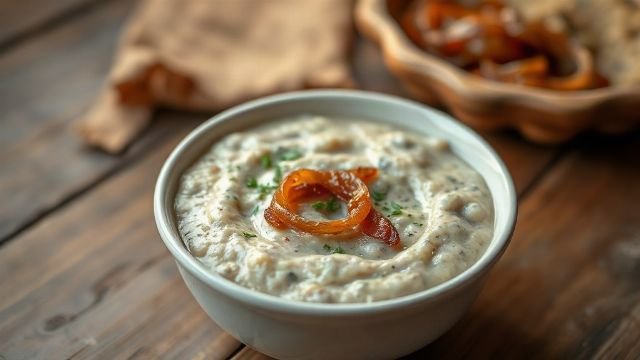
Balaleet: A Guide to the Gulf's Sweet-Savoury Vermicelli Breakfast
Balaleet is a beloved Gulf breakfast dish of sweetened, spiced vermicelli topped with a thin omelette. This guide covers its origins, how it's made, and how to enjoy it at home.

Illustration: AI-generated image
Balaleet is a distinctive breakfast dish found across the Gulf, particularly in the UAE, Qatar, Bahrain, and parts of Oman. It combines two seemingly contrasting elements: sweet, fragrant vermicelli noodles and a savoury, lightly seasoned omelette. Yet the result is a harmonious plate that has been served in homes and at festive gatherings for generations.
What Is Balaleet?
The base of balaleet is fine vermicelli, typically toasted until golden and then cooked with water, sugar, and a blend of aromatic spices. Cardamom and saffron are the most common, often joined by rose water or orange blossom water for a floral lift. The cooked noodles are soft and sweet, with a delicate chew. They are topped with a thin omelette, sometimes folded or cut into strips, which provides a gentle savoury contrast and a boost of protein.
The dish is usually served warm, though it can be enjoyed at room temperature. It sits comfortably alongside other breakfast staples like chbaab (yeasted pancakes), balaleet stands out for its unusual sweet-savoury pairing that surprises many first-time tasters.
How Balaleet Is Made
Traditional preparation begins with frying the vermicelli in a little ghee or butter until it turns a light brown, which adds a nutty depth. Water and sugar are then added, along with crushed cardamom, a pinch of saffron, and a splash of rose water. The mixture simmers until the noodles absorb the liquid and become tender, yet not mushy.
While the sweet noodles cook, a simple omelette is prepared. Eggs are beaten with a small pinch of salt and sometimes a little black pepper or turmeric. The omelette is cooked flat and thin, then placed over the vermicelli. Some cooks cut it into ribbons before layering, but the traditional presentation is a whole omelette draped over the mound of sweet noodles.
Variations Across the Gulf
Each household has its own take on balaleet. Some increase the sugar for a more dessert-like dish, while others reduce it for a subtler sweetness. Cardamom is the dominant spice, but cinnamon or cloves may make an appearance. In some regions, the omelette is lightly sweetened or includes a few drops of rose water. The method of serving can also vary: the omelette might be folded, rolled, or simply placed on the side, allowing each diner to combine the two components to their liking.
Serving and Etiquette
Balaleet is typically served on a large communal platter during family breakfasts or Eid celebrations. It is accompanied by Arabic coffee (gahwa) or sweet tea, which helps balance the dish's richness. Because the noodles are sweet, balaleet is not usually paired with savoury sides like beans or grilled meats, but it works beautifully as a starter before heavier dishes at a festive meal.
When eating balaleet, a spoon or fork is common, though traditionally it may be eaten with the right hand. The custom of sharing from a central plate remains strong, though individual portions have become standard in restaurants and modern homes.
Try It at Home
Making balaleet is straightforward and requires only a handful of pantry ingredients. Toast fine vermicelli in ghee, then add boiling water, sugar, cardamom, saffron, and rose water. Simmer until tender. For the omelette, beat eggs with a little salt and cook a thin layer in a lightly oiled pan. Place the omelette over the noodles and serve warm.
For those who prefer a less sweet version, simply reduce the sugar and increase the cardamom. The dish is forgiving and adapts well to personal taste. It offers a wonderful introduction to the sweet-savoury side of Gulf cuisine and is sure to become a breakfast favourite.