Al Sadu: The Gulf's Traditional Bedouin Weaving Art
Discover the ancient craft of Al Sadu, a traditional form of weaving practiced by Bedouin women across the Arabian Gulf, known for its bold geometric patterns and deep cultural significance.
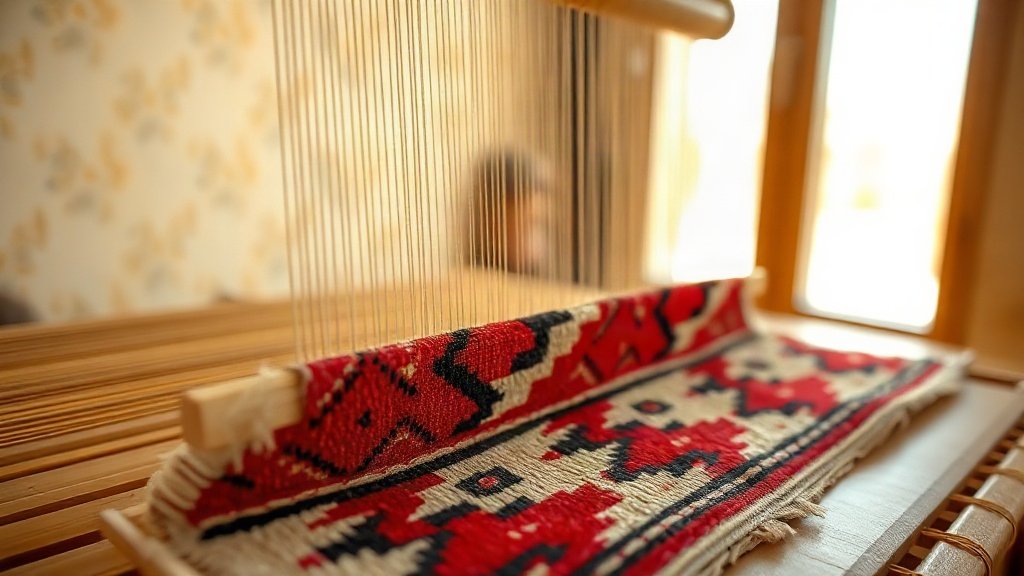
Illustration: AI-generated image
Across the Arabian Gulf, a distinctive form of weaving has been passed down through generations of Bedouin women. Known as Al Sadu, this traditional craft transforms camel hair, goat hair, and sheep wool into strikingly patterned textiles that once furnished desert tents and saddled camels. Today, Al Sadu is celebrated as a living link to the region's nomadic past and a vibrant expression of Gulf heritage.
A Craft Rooted in Desert Life
Al Sadu originated among Bedouin communities who moved with their livestock across the arid landscapes of the Arabian Peninsula. In a harsh environment where resources were scarce, weaving was both a necessity and an art. Women would spin raw fibres by hand and weave them on simple ground looms to create essential items such as tent dividers, floor coverings, saddlebags, and camel trappings. Each piece had to be durable and portable, yet it also carried beauty through intricate patterns that reflected the weaver's skill and creativity.
The Weaving Process
Traditional Al Sadu weaving relies on a horizontal ground loom, often made from wooden pegs driven into the sand or floor. The warp threads—usually strong, undyed fibres—are stretched tightly between two beams. The weaver then passes the coloured weft threads across by hand, using a simple shedding mechanism to lift alternate warp threads. The process is slow and rhythmic, and a single large piece could take weeks or even months to complete. Natural dyes from plants and minerals historically provided colours, with reds, blacks, whites, and browns being most common. While some artisans now use modern fibres and synthetic dyes, many still adhere to the old methods to preserve authenticity.
Patterns and Symbols
Al Sadu textiles are instantly recognisable for their bold, geometric designs. Diamonds, triangles, zigzags, and stylised motifs repeat across the surface, often in contrasting bands. These patterns are not merely decorative; they carry symbolic meanings drawn from the desert environment. Some represent animal tracks, sand dunes, stars, or the movement of water. Others may encode social or tribal identity. Because the craft was traditionally passed from mother to daughter, certain patterns became signatures of specific families or regions. Today, contemporary designers draw inspiration from these motifs to create everything from cushions and wall hangings to high-fashion garments.
Al Sadu Today
In a rapidly modernising Gulf, Al Sadu has faced challenges as younger generations move away from traditional lifestyles. Recognising its cultural importance, UNESCO inscribed “Al Sadu, traditional weaving skills in the United Arab Emirates” on the List of Intangible Cultural Heritage in Need of Urgent Safeguarding in 2011. Similar efforts are underway in Kuwait, Saudi Arabia, and Qatar, where cultural organisations offer workshops, exhibitions, and training programmes to keep the craft alive. Visitors to the region can often see Al Sadu demonstrations at heritage villages, museums, and cultural festivals, providing a tangible connection to the Bedouin way of life.
Whether you encounter it in a museum display, a souk stall, or a contemporary design boutique, Al Sadu remains a testament to the resourcefulness and artistic vision of Gulf women. Its enduring patterns continue to weave together past and present, reminding us that heritage is not static but ever-evolving.