Al Fahidi Historical Neighbourhood: A Practical Guide to Dubai's Heritage Quarter
Step back in time among wind towers and narrow lanes in one of Dubai's oldest districts. This guide covers what to see, how to get around, and the quiet charm of Al Fahidi.
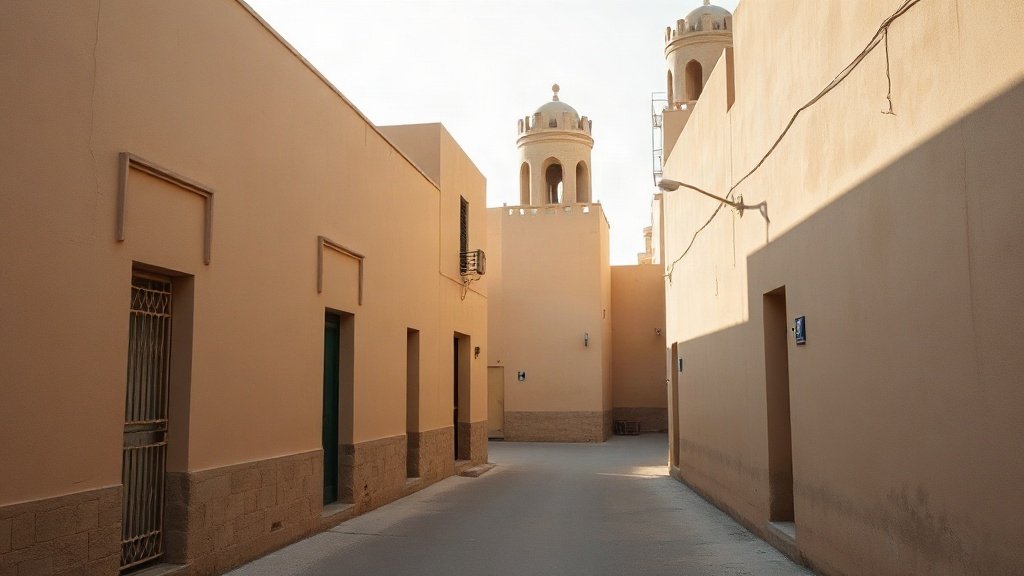
Illustration: AI-generated image
Before the skyscrapers and shopping malls, Dubai was a modest trading port on the creek. The Al Fahidi Historical Neighbourhood, also known as Al Bastakiya, preserves that earlier chapter. Tucked between the creek and the busy streets of Bur Dubai, this quiet quarter of sand-coloured buildings, wind towers and shaded lanes offers a rare glimpse into the city's past.
A walk through old Dubai
The neighbourhood dates back to the late 19th century, when Persian merchants from Bastak settled here and built houses with distinctive wind towers – an early form of air conditioning that channelled breezes into the rooms below. Today the area is carefully restored, and many of the buildings house small museums, galleries, craft shops and cafés. The best way to experience it is on foot: wander without a fixed route, pause in a courtyard, and let the details emerge.
What to see
- Wind-tower houses: Look up to see the barjeel, the four-sided towers with narrow openings that still catch the breeze.
- Sheikh Mohammed Centre for Cultural Understanding: Housed within the district, this centre hosts cultural meals and walking tours – a friendly introduction to Emirati traditions.
- Coin Museum: A small museum showcasing coins from across the region's history, set in a beautifully restored building.
- Art galleries and cafés: Several independent galleries display contemporary Middle Eastern art, while traditional courtyard cafés serve Arabic coffee and dates.
Getting there and around
The neighbourhood is easy to reach by public transport. Al Fahidi Metro Station on the Green Line is a five-minute walk away, and the Dubai Ferry and abras (traditional wooden boats) stop at Bur Dubai Station, just along the creek. The area is pedestrian-friendly and largely flat, with smooth paths and few steps. Allow at least two hours for a relaxed visit, longer if you stop for coffee or a meal.
Practical tips
- Dress respectfully: shoulders and knees covered is a good rule of thumb, especially if visiting the cultural centre or a mosque.
- Visit in the morning or late afternoon to avoid the midday heat; many indoor venues are air-conditioned.
- Combine your visit with a stroll along the Dubai Creek and a ride on an abra to Deira for a fuller sense of old Dubai.
- Photography is generally welcome, but ask before taking close-ups of people.
Why it matters
In a city known for constant reinvention, Al Fahidi stands as a reminder of Dubai's roots. It is not a museum behind glass but a living district where history and contemporary creativity sit side by side. For visitors, it offers a slower, more reflective experience – and a deeper understanding of the journey from pearl-diving village to global metropolis.