A Practical Guide to Using the Dubai Metro
Everything visitors need to know about Dubai's driverless metro system, from buying a Nol card to understanding the zones and etiquette on board.
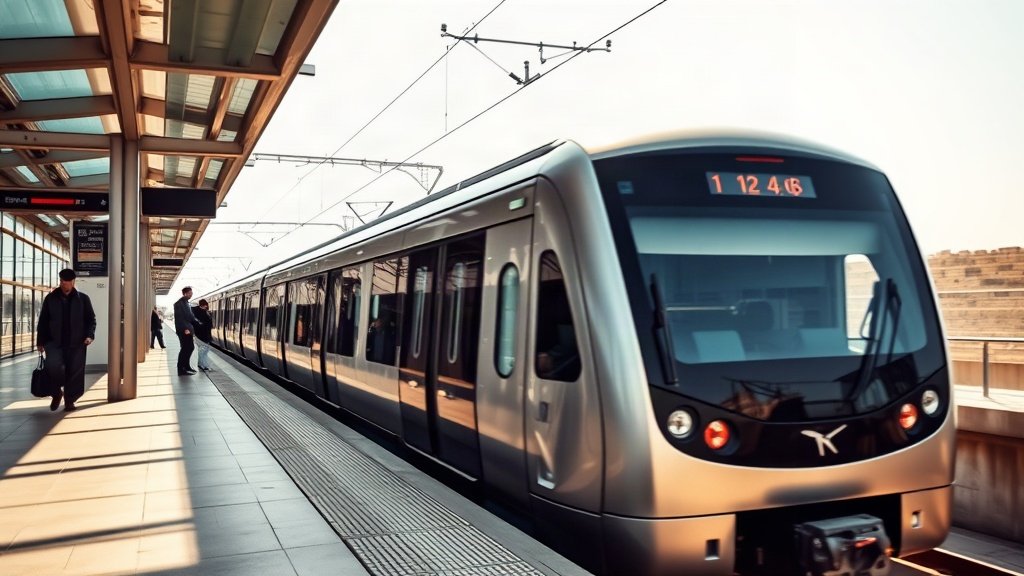
Illustration: AI-generated image
Dubai's metro is one of the most efficient and affordable ways to get around the city. Fully automated and spotlessly clean, it connects major attractions, shopping malls and residential areas. For visitors, it offers a welcome escape from traffic and heat, with air-conditioned stations and trains running frequently throughout the day.
Getting a Nol Card
To ride the metro, you need a Nol card – a reusable smart card that works across all public transport in Dubai, including buses, trams and water buses. You can buy one at any metro station from ticket vending machines or ticket offices. The card comes in several types, but for most visitors the silver Nol card is the best choice. Simply load credit onto the card and tap in and out at the station gates. The fare is calculated automatically based on the number of zones you travel through.
Understanding the Zones
Dubai is divided into seven transport zones. The metro has two main lines – the Red Line and the Green Line – which together cover much of the city. The Red Line runs parallel to Sheikh Zayed Road, connecting Dubai International Airport (Terminals 1 and 3) to key areas such as Deira, Bur Dubai, Downtown Dubai, Dubai Marina and Jebel Ali. The Green Line serves the older parts of the city, including Al Fahidi, Al Ras and Dubai Healthcare City. Before you travel, check which zones your start and end stations are in to understand the fare, though the system automatically deducts the correct amount.
Etiquette on Board
The Dubai Metro is known for its strict but sensible rules, which help keep journeys pleasant for everyone. Eating, drinking and chewing gum are not allowed on trains or in stations. There are designated cabins: the Gold Class cabin at the front of the train offers more spacious seating for an additional fare, while one cabin is reserved for women and children. Men travelling alone should avoid entering the women and children's cabin. Keep noise levels low, and if you are standing, hold onto the handrails as the trains accelerate and brake smoothly but promptly.
Connecting to Other Transport
The metro integrates well with Dubai's wider public transport network. Major stations have bus interchanges, and the tram in Dubai Marina connects to the Red Line at Sobha Realty and DMCC stations. Many stations also offer pedestrian links to nearby malls and attractions, often via air-conditioned walkways. If you plan to use multiple modes of transport in a day, the same Nol card covers all of them, making transfers straightforward.
Practical Tips
- Trains run roughly every 4–7 minutes during peak hours and slightly less frequently at other times. The first train leaves around 5:00 am and the last around midnight, though timings can vary by day and station.
- Stations are well signed in English and Arabic. Look for the red or green line markers.
- If you are heading to the airport, allow extra time. The Red Line stops at both Terminal 1 and Terminal 3, but you may need to use a connecting shuttle or walk depending on your airline.
- Metro stations can be large, so wear comfortable shoes. Lifts and escalators are available at every station.
- Keep your Nol card topped up. You can check your balance at any ticket vending machine.
Using the Dubai Metro is not just practical – it is also a great way to see the city from a different perspective. The elevated sections offer views of the skyline and the desert beyond, while underground stations provide a cool respite. For a smooth journey, plan your route ahead, respect the local etiquette and enjoy the ride.