A Home Cook's Guide to Karak Chai: The Gulf's Spiced Milky Tea
Strong, sweet and fragrant with cardamom, karak is the Gulf's favourite tea. Here is what goes into it, how to make it at home and how to order it well.
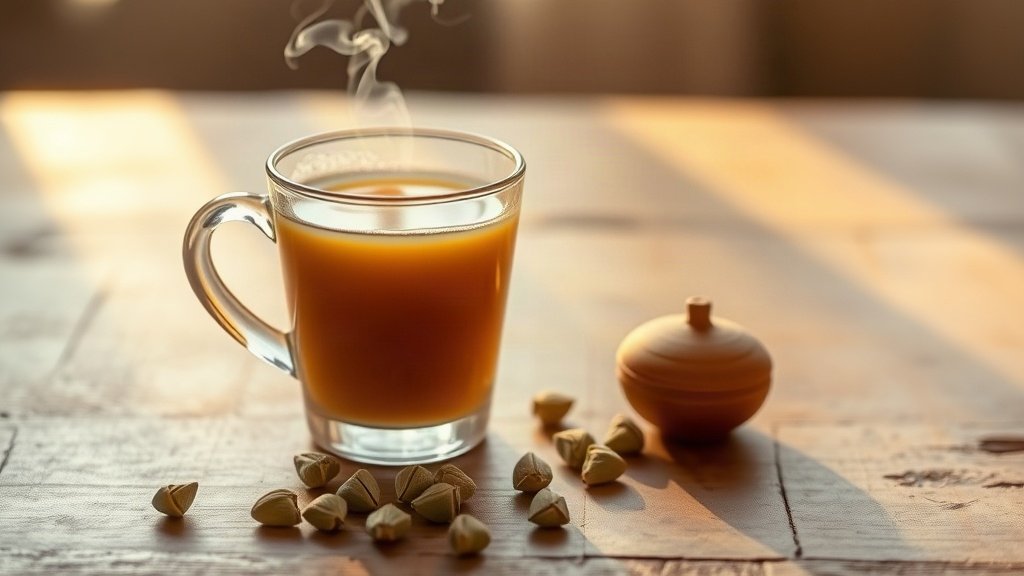
Illustration: AI-generated image
Ask almost anyone in the Gulf where to find a comforting cup at any hour, and karak will come up. This strong, milky, spiced tea is poured at roadside kiosks, in small cafés and in family kitchens across the region, and it is easy to recreate at home.
What is karak?
The word karak comes from the Hindi and Urdu word for strong. The drink is built on robust black tea simmered with milk, sugar and spices, most often cardamom. Its roots lie in South Asian chai traditions, brought to the Gulf by generations of workers and traders, and it has long since become part of everyday Gulf life.
What sets it apart is the method. The tea is not steeped gently. It is boiled, often for several minutes, until the colour deepens and the flavour turns rich and slightly caramelised.
What goes in
- Black tea: loose, strong tea leaves or tea bags work well.
- Milk: evaporated milk is a common choice, giving a creamy, slightly sweet body. Full-fat fresh milk also works.
- Cardamom: the signature note. Lightly crush the pods so they release their aroma.
- Sugar: karak is usually sweet. Adjust to taste.
- Optional extras: saffron, ginger or cloves are popular variations.
How to make it at home
- Bring a cup of water to the boil in a small pan with two or three crushed cardamom pods.
- Add two teaspoons of black tea leaves and let it bubble for a couple of minutes until dark.
- Pour in a cup of milk and add sugar.
- Bring it back to a rolling simmer, watching closely so it does not boil over, then let it rise and settle two or three times.
- Strain into small glasses or cups and serve hot.
The repeated rising and settling is the part many people say makes the difference. It blends the tea and milk fully and gives the drink its smooth, velvety texture.
Ordering like a regular
In most places, karak arrives sweet by default, so if you prefer less sugar, say so when you order. Many cafés also offer saffron or ginger versions, which are worth trying if you like a more fragrant cup.
It pairs well with simple snacks. Plain biscuits, a warm paratha or a savoury pastry all suit its sweetness. On cooler evenings, which are more common from November onwards, it is especially welcome.
A few tips
- Use a small pan so the tea has room to rise without spilling.
- Do not skip the straining step, as spices and leaves can turn bitter in the cup.
- Make a stronger brew than you think you need, because the milk and sugar soften it.
Karak is a simple pleasure, and once you have the rhythm of the pan, it takes only about ten minutes to bring a little of the Gulf into your own kitchen.