The Mandoos: A Guide to the Gulf's Traditional Wooden Chest
Discover the history, craftsmanship and cultural significance of the mandoos, the Gulf's ornate wooden chest used for storage, dowries and heirlooms.

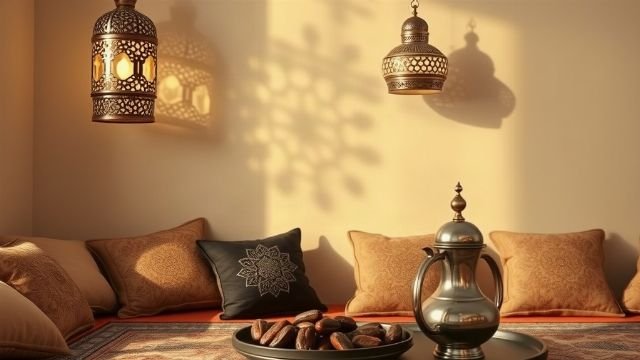
Illustration: AI-generated image
In traditional Gulf homes, few objects carry as much cultural weight as the mandoos. This ornate wooden chest, often decorated with brass studs and intricate carvings, has been a fixture of Emirati, Qatari, Bahraini, Kuwaiti, Omani and Saudi households for centuries. Used to store clothing, jewellery, documents and treasured possessions, the mandoos was both a practical piece of furniture and a symbol of a family's status and care for heirlooms.
What is a mandoos?
The mandoos (plural: manadees) is a rectangular chest, traditionally made from teak or other hardwoods that were imported to the Gulf from India and East Africa. Craftsmen in coastal towns such as Dubai, Sharjah, Manama and Kuwait City would shape the wood into sturdy boxes, then decorate them with hand-hammered brass or copper fittings, geometric patterns, and sometimes painted motifs. The lids are often slightly domed, and the chests typically sit on short legs to protect their contents from dust and damp floors.
History and uses
Before the modern era, before wardrobes and safes, the mandoos was the primary storage unit in Gulf homes. Brides would receive manadees as part of their dowry, filled with clothing, textiles and personal items for their new life. Mothers passed them down to daughters, and families used them to keep important documents, quranic manuscripts, and valuables safe. On pearl-diving trips, smaller chests sometimes accompanied families to the coast. The mandoos was more than furniture; it was a repository of memory and identity.
Craftsmanship and decoration
Traditional mandoos making was a specialised craft. Carpenters, known as najjar, would select seasoned wood, cut and join it without nails using dovetail or mortise-and-tenon joints. The surface was then embellished with brass or copper plates, often cut into stars, rosettes, or arabesque patterns and attached with small nails. Some chests were painted in shades of red, green or black, with floral or geometric designs. Regional variations exist: Omani manadees, for example, often feature more extensive metalwork, while those from Kuwait may have simpler carving. The quality of the metalwork and wood indicated the owner's wealth and taste.
Symbolism and cultural significance
Beyond its practical function, the mandoos symbolises thrift, security and the value placed on family heritage. In a region where resources were scarce, keeping possessions safe and well-organised was essential. The chest also played a role in hospitality: visitors might be seated near the mandoos, which sometimes held coffee-making equipment or guest bedding. Today, the mandoos is a beloved decorative item, often repurposed as a coffee table, sideboard or statement piece in modern Gulf interiors, connecting contemporary homes to their past.
Where to see mandoos today
Authentic antique manadees can be viewed in heritage museums across the Gulf, such as Dubai's Al Shindagha Museum, Abu Dhabi's Qasr Al Hosn, or the National Museum of Qatar. Many cultural villages and souks sell new interpretations made by local artisans, often using the same techniques. When examining a mandoos, note the joinery, the patina of the metal, and the wood's grain; a well-made chest will feel solid and balanced. Whether antique or contemporary, the mandoos remains a tangible link to the Gulf's maritime and domestic heritage.