The Mabkhara: A Guide to the Gulf's Traditional Incense Burner
The mabkhara is more than a household object in the Gulf; it is a symbol of hospitality and a vessel for the region's beloved bukhoor. Discover its history, types and the art of using it.
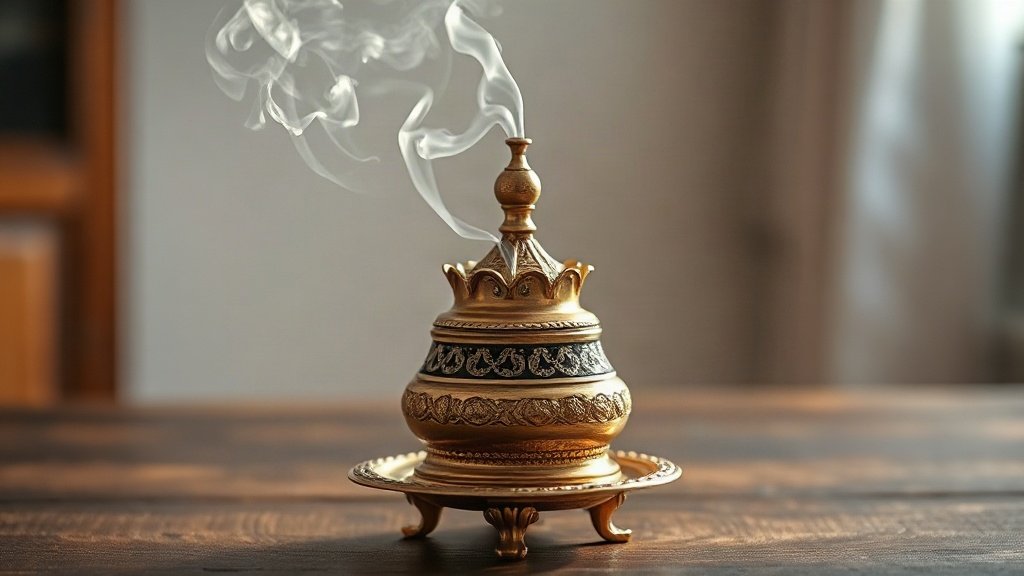
Illustration: AI-generated image
Walk into any Gulf home and you are likely to be greeted by the warm, resinous scent of bukhoor drifting from an ornate burner known as the mabkhara. This traditional incense burner holds a special place in the region's culture, serving both practical and ceremonial purposes. From welcoming guests to marking celebrations, the mabkhara is a timeless emblem of Gulf hospitality.
What is a mabkhara?
A mabkhara (plural: mabakhir) is a vessel designed to hold burning charcoal or an electric heating element, upon which fragrant wood chips, resins or blended bukhoor are placed. As the material smoulders, it releases aromatic smoke that fills the space with a distinctive scent. The word 'mabkhara' comes from the Arabic root 'b-kh-r', relating to smoke or vapour, and it is used across the Arabian Peninsula and beyond.
Materials and craftsmanship
Mabakhir are crafted from a variety of materials, each adding a different character. Traditional pieces are often made of brass, copper or silver, sometimes adorned with intricate engravings, geometric patterns or calligraphy. In wealthier households, you might find mabakhir plated with gold or set with semi-precious stones. More contemporary versions use stainless steel, ceramic or even heat-resistant glass, often with sleek, minimalist designs. The choice of material often reflects both aesthetic preference and practical considerations, such as heat retention and ease of cleaning.
How to use a mabkhara
Using a traditional charcoal-based mabkhara requires a few steps. First, light a piece of natural charcoal until it glows red and is covered with a fine layer of ash. Place the hot charcoal in the base of the mabkhara, then sprinkle a small amount of bukhoor on top. As the bukhoor heats, it will begin to release its fragrance. To control the intensity, you can add more bukhoor or adjust the distance between the charcoal and the incense. Many modern mabakhir use an electric heating plate, which is safer and easier to manage, and is preferred in homes with children or in enclosed spaces.
Etiquette and social customs
In Gulf culture, passing the mabkhara is a gesture of welcome and respect. After serving Arabic coffee, a host may circle the mabkhara among guests, allowing each person to waft the scented smoke towards their face, hair and clothing. This act is known as 'tabkhir' and is considered a sign of generosity. It is customary to accept the mabkhara with the right hand, and to avoid blowing on the smoke. In some families, the mabkhara is passed after meals or during special occasions such as weddings, Eid and Ramadan gatherings. The fragrance lingers on fabric, serving as a subtle reminder of the occasion.
Caring for your mabkhara
To keep a mabkhara in good condition, it should be cleaned regularly to remove ash and residue. For metal pieces, use a soft cloth and mild soap, then dry thoroughly to prevent tarnishing. Ceramic and glass mabakhir can be wiped with a damp cloth. Always allow the burner to cool completely before cleaning, and store it in a dry place. If using charcoal, ensure adequate ventilation and never leave a lit mabkhara unattended.