How to Dress for Business in the Gulf: A Practical Guide
Conservative, modest and polished: what to wear in business settings across the Gulf, from boardrooms to client meetings.
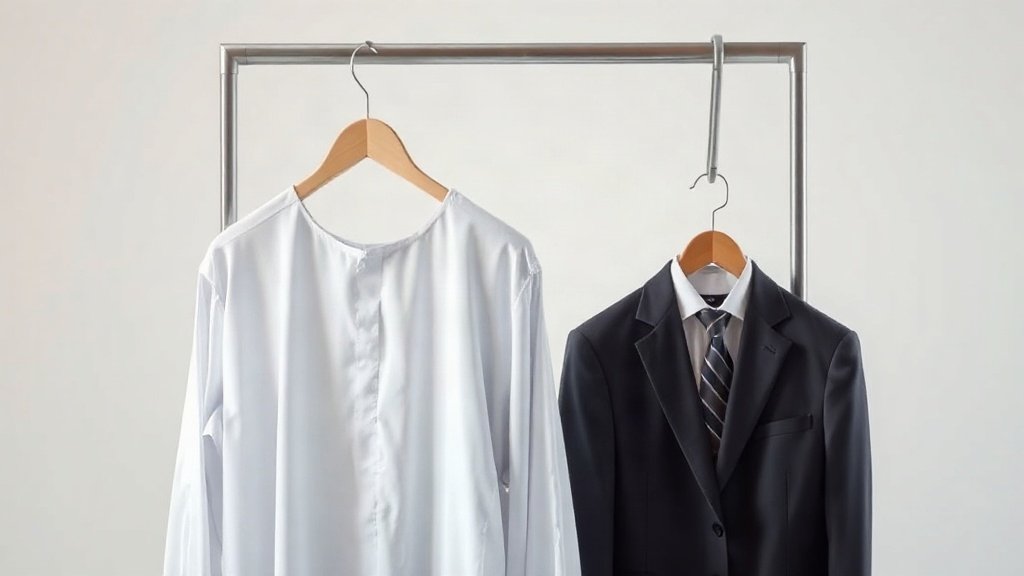
Illustration: AI-generated image
Dressing professionally in the Gulf is not just about looking sharp; it is a sign of respect for local culture and business etiquette. While each country in the region—Saudi Arabia, the UAE, Qatar, Kuwait, Bahrain and Oman—has its own nuances, the overall guideline is to be conservative, modest and polished. This guide covers what to wear in business settings, from boardrooms to client meetings.
General Principles
Modesty is the foundation of business attire in the Gulf. Clothing should cover the shoulders, upper arms and legs, and avoid being tight or transparent. Cleanliness and neatness are essential; a well-pressed outfit conveys professionalism. While the region is modern, it remains culturally conservative compared to many Western business environments, so err on the side of formality.
For Men
A dark or neutral-coloured business suit is the safest choice for formal meetings, conferences and government offices. A long-sleeved shirt and tie are standard, though in some more relaxed industries such as tech or creative sectors, a tie may be optional. In hotter months, lightweight fabrics like cotton or linen blends are practical, but they should still look structured and professional. Many local men wear the traditional thobe (an ankle-length robe) with a ghutra (headscarf) and agal. While expatriates are not expected to adopt national dress, it is generally respected when worn correctly in appropriate settings; however, most expatriates choose Western business attire.
For Women
Women should choose conservative business wear: skirts or trousers that fall below the knee, long-sleeved blouses or jackets, and high necklines. Dresses are acceptable if they meet the same standards of length and coverage. An abaya (a loose black robe) is not required for non-Muslim women in most business environments, but in more conservative areas or when meeting with government officials, some women opt to wear one. A headscarf is not typically required, but it is advisable to carry a scarf in case you visit a mosque or need to cover your hair for a particular meeting. Avoid sleeveless tops, low necklines, and tight-fitting clothing. Make-up and jewellery should be understated.
Footwear and Accessories
Closed-toe shoes are standard for both men and women in business settings. Men should wear polished leather shoes; women may wear low or medium heels or smart flats. Avoid sandals, trainers or overly casual footwear. Accessories should be minimal and tasteful; flashy or excessive jewellery may be seen as ostentatious. A quality watch or simple bag is acceptable.
Seasonal Considerations
Summers in the Gulf are extremely hot and humid, but offices, cars and malls are heavily air-conditioned. Dressing in layers helps manage the transition between outdoor and indoor temperatures. Lightweight, breathable fabrics keep you cool outside, while a jacket or cardigan will help you stay comfortable inside. During the cooler months (roughly November to March), standard business suits are comfortable outdoors as well.
Business Casual and Special Occasions
Some companies in the Gulf have adopted a business casual dress code, especially in creative or multinational environments. For men, this might mean smart trousers with a collared shirt and no tie; for women, modest separates such as a blouse and tailored trousers. However, when in doubt, it is better to be overdressed than underdressed. During Ramadan, extra modesty is appreciated; avoid bright colours and revealing clothing. For business dinners or evening events, the same standards apply; elegant but conservative attire is safest.
Remember that first impressions matter greatly in the Gulf. Dressing appropriately not only shows respect for local customs but also signals your professionalism and attention to detail, helping to build trust with colleagues and clients.