The Gulf Souk: A Guide to Traditional Markets and Shopping Culture
Step into the sensory world of the Gulf's historic souks, where the scent of spices, the glint of gold, and the art of bargaining combine for an unforgettable cultural experience.

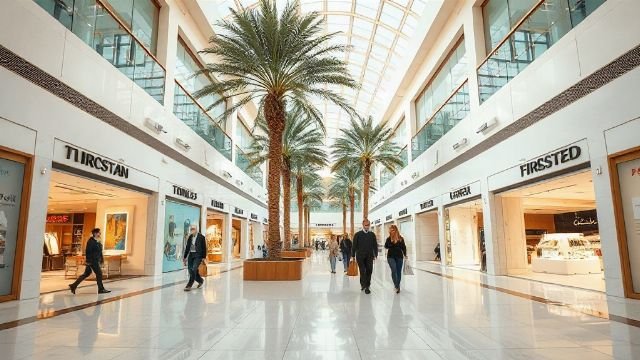
Illustration: AI-generated image
Wandering through a traditional Gulf souk is like stepping back in time. These bustling marketplaces, often located in the oldest parts of town, have been centres of trade and social life for centuries. From the narrow alleyways of Dubai's Deira to the restored heritage markets of Doha and Muscat, souks offer a sensory feast and a window into the region's rich cultural heritage.
What makes a souk special?
Unlike modern shopping malls, Gulf souks are organic, living spaces. They are traditionally organised by trade: the gold souk, the spice souk, the textile souk, and the perfume souk, each with its own character and aromas. The architecture often features wind towers, wooden lattices (mashrabiya), and shaded arcades designed to keep the spaces cool in the desert heat. The atmosphere is lively, with merchants calling out to passers-by, the clinking of coffee cups, and the murmur of negotiations.
What to see and buy
Each souk has its own specialties. In the gold souks, you will find intricate 21-karat and 22-karat jewellery, often crafted in traditional designs. Spice souks overflow with sacks of saffron, cardamom, dried limes, and local blends like bzar. Textile souks are a riot of colour, with bolts of fabric, embroidered dresses, and the famous pashmina shawls. Perfume souks offer attar (oil-based perfumes), oud wood, and bukhoor (incense). Handicrafts, such as woven baskets, pottery, and camel bone carvings, are also common.
The art of bargaining
Bargaining is an essential part of the souk experience. It is not about confrontation but a friendly negotiation that often includes a cup of tea or Arabic coffee. Start by asking the price, then offer about half and work up gradually. Be polite, smile, and be prepared to walk away if the price is too high – often the merchant will call you back with a better offer. Remember that paying a fair price is part of the cultural exchange; the goal is not to get the lowest possible price but to enjoy the interaction.
Etiquette and tips
Dress modestly when visiting souks, especially in more conservative areas. Women should cover shoulders and knees. It is customary to greet the shopkeeper with "As-salamu alaykum" (peace be upon you) and to engage in small talk before discussing business. Avoid pointing with your finger; use your whole hand. When trying on items, ask for permission. If you are not interested in buying, a polite "shukran" (thank you) and a smile are sufficient.
Why souks matter
Souks are not just places to shop; they are social hubs where people meet, exchange news, and preserve traditions. Many have been restored and revitalised in recent years, blending heritage with contemporary design. Festivals and cultural events often take place in souk courtyards, keeping these spaces relevant for future generations. Visiting a souk is one of the best ways to understand the heart of Gulf culture.