The Ghutra and Agal: A Guide to the Gulf's Traditional Headdress
Discover the history, meaning and etiquette behind the ghutra and agal, the iconic headdress worn by men across the Arabian Gulf.
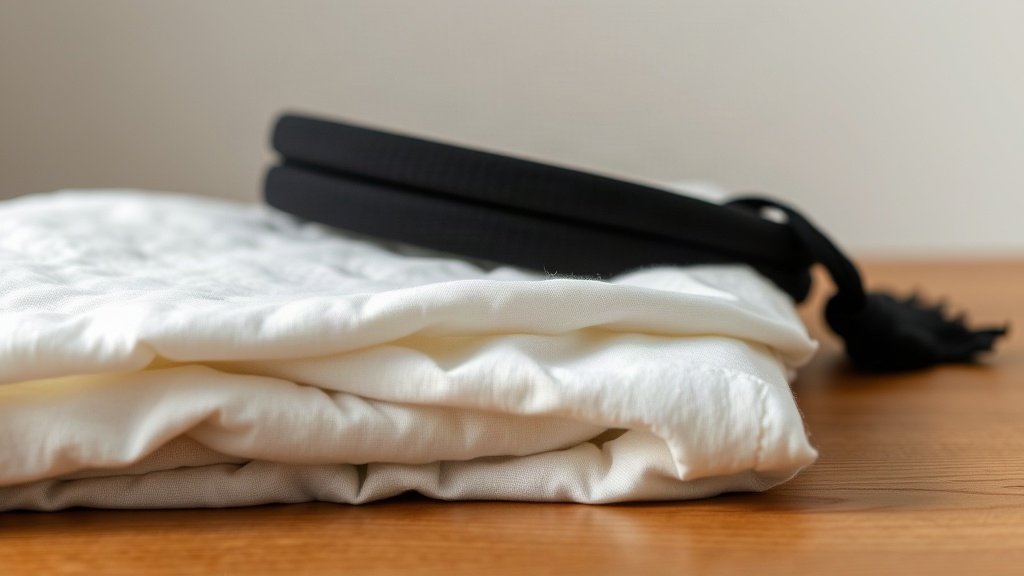
Illustration: AI-generated image
Walk through any souq or public gathering in the Gulf and you will see it everywhere: the crisp white cloth draped over the head, held in place by a black cord. The ghutra and agal are more than just practical items for the region's heat — they are a symbol of identity, heritage and pride.
What is the ghutra?
The ghutra is a square cotton cloth, usually measuring about a metre on each side, worn folded into a triangle and draped over the head. In some parts of the Gulf it is called a shemagh or keffiyeh, though those terms often refer to a patterned version. The most common colour is white, which reflects sunlight and keeps the head cool. In winter, men may wear a red-and-white checked ghutra, especially in Saudi Arabia and Qatar, while a plain white one is preferred for formal occasions across the Emirates, Kuwait and Bahrain.
The agal: a simple cord with deep roots
The agal is the black cord placed on top of the ghutra to keep it in place. Traditionally made from goat hair or camel wool, it is now often crafted from synthetic cord wrapped around a core. Its origins are practical: Bedouin herders would tie a rope around their camels' legs at night, then wear it on their head during the day to free their hands. Over time, the agal became a standard part of the headdress, and its style — double or single cord, plain or with tassels — can signal regional differences or personal taste.
How it is worn
There is no single method, but a common style is to fold the ghutra into a triangle, place it on the head with the folded edge across the forehead, then wrap the two ends loosely around the head or let them hang down the back. The agal is placed over the top to hold everything securely. Some men prefer a crisp, symmetrical look for formal events, while others adopt a more relaxed style for everyday wear. Learning to tie it takes practice, but it is a skill boys often pick up by watching their fathers and older brothers.
Cultural significance
Beyond its practicality, the ghutra and agal carry meaning. They are part of the traditional dress code for official occasions, religious festivals and family gatherings. The headdress can also convey social cues: for example, adjusting the agal or ghutra can be a sign of respect or a non-verbal way to request attention. In many Gulf countries, it is paired with the thobe, the long white robe, to create a unified national dress that remains unchanged for generations.
Today, the ghutra and agal remain a daily sight, from government offices to university campuses. They are worn by citizens and sometimes by expatriates as a mark of respect at weddings or national day celebrations. While modern fashion has introduced variations in fabric and colour, the classic white ghutra and black agal remain the most recognised and beloved.