How to Import Goods into the Gulf: A Practical Guide to Customs and Duties
Everything you need to know about clearing goods through customs in Gulf countries, from documentation to duty rates and VAT.
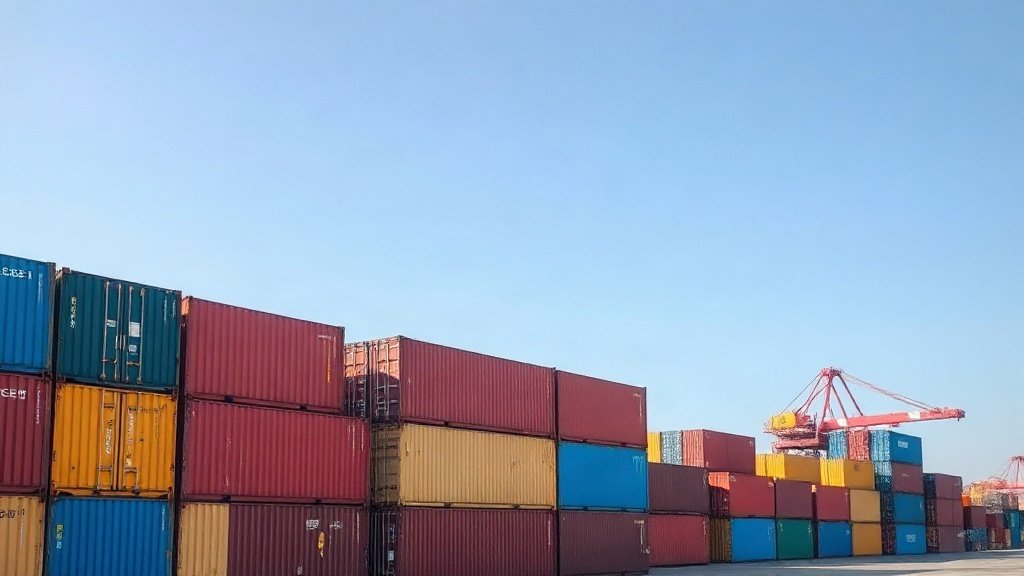
Illustration: AI-generated image
Importing goods into the Gulf region can open doors to a market of over 50 million consumers and a strategic hub for re-export. But without a clear understanding of customs procedures, duties and documentation, shipments can face delays, unexpected costs or even seizure. This guide walks you through the essentials to help your imports clear smoothly.
Understand the customs framework
The Gulf Cooperation Council (GCC) operates a customs union, meaning a common external tariff applies to goods entering any member state: Saudi Arabia, the UAE, Qatar, Kuwait, Bahrain and Oman. Once goods have cleared customs in one GCC country, they can generally move freely within the union without additional duties, provided the correct procedures are followed. However, each country administers its own customs authority, so local rules and documentation requirements may still vary.
Prepare the essential documents
Every import shipment must be accompanied by a core set of documents. These typically include:
- Commercial invoice – detailing the goods, their value and the seller and buyer.
- Packing list – specifying weights, dimensions and package contents.
- Bill of lading or airway bill – proving ownership and transport.
- Certificate of origin – often required to claim preferential duty rates under free trade agreements.
- Import licence – if your business activity requires one (most general trading companies have this).
Certain goods, such as food, pharmaceuticals, cosmetics or electrical equipment, may also require product conformity certificates or health and safety approvals. Failing to provide the right paperwork is one of the most common reasons for customs holds, so confirm requirements with the destination country's customs authority or a licensed broker before shipping.
Know your duty rates
Under the GCC Common External Tariff, most products attract a standard import duty of 5 per cent of the customs value (the cost of the goods plus insurance and freight). However, there are important exceptions:
- Many essential items, such as basic foodstuffs, medicines and certain agricultural products, are exempt from duty.
- Some goods face higher duties, such as tobacco products and alcohol in countries where they are permitted.
- Certain industrial inputs and raw materials may qualify for duty exemptions or reductions to support local manufacturing.
Always confirm the correct Harmonised System (HS) code for your product, as this determines the applicable duty rate. An incorrect code can lead to underpayment or overpayment of duty and potential penalties.
Account for VAT on imports
Value-added tax (VAT) has been implemented in most GCC countries, and imports are subject to VAT at the standard rate of the destination country. Rates currently range from 5 to 15 per cent, with Saudi Arabia applying 15 per cent and others at 5 or 10 per cent. VAT is paid at the time of customs clearance and can often be recovered by registered businesses on their next VAT return, subject to standard input tax rules.
Follow the clearance process
Customs clearance generally involves these steps:
- Submit an electronic customs declaration, often through an online portal such as Saudi's Fasah or the UAE's Mirsal 2 (for Dubai).
- Pay any applicable duties and VAT.
- Undergo inspection – customs may examine the shipment physically or via X-ray, especially for high-risk goods.
- Receive release of the goods once all requirements are met.
Using a licensed customs broker is highly recommended for first-time or infrequent importers. Brokers understand local procedures and can help avoid costly delays.
Tips for smooth importing
- Classify correctly: Double-check HS codes before shipping.
- Keep records: Maintain copies of all documents for at least five years, as required by most Gulf customs laws.
- Leverage free trade agreements: The GCC has FTAs with several countries and blocs that may reduce or eliminate duties if you have a valid certificate of origin.
- Plan for inspections: Allow extra time for clearance of regulated products.
Getting your import process right from the start saves time, money and frustration. With a solid understanding of the rules and a reliable local partner, you can navigate Gulf customs with confidence.