The Falcon's Burqa: A Guide to the Leather Hoods of Gulf Falconry
The falcon's burqa is a beautifully crafted leather hood that keeps hunting birds calm and focused. Discover its history, design and cultural role in the Gulf.
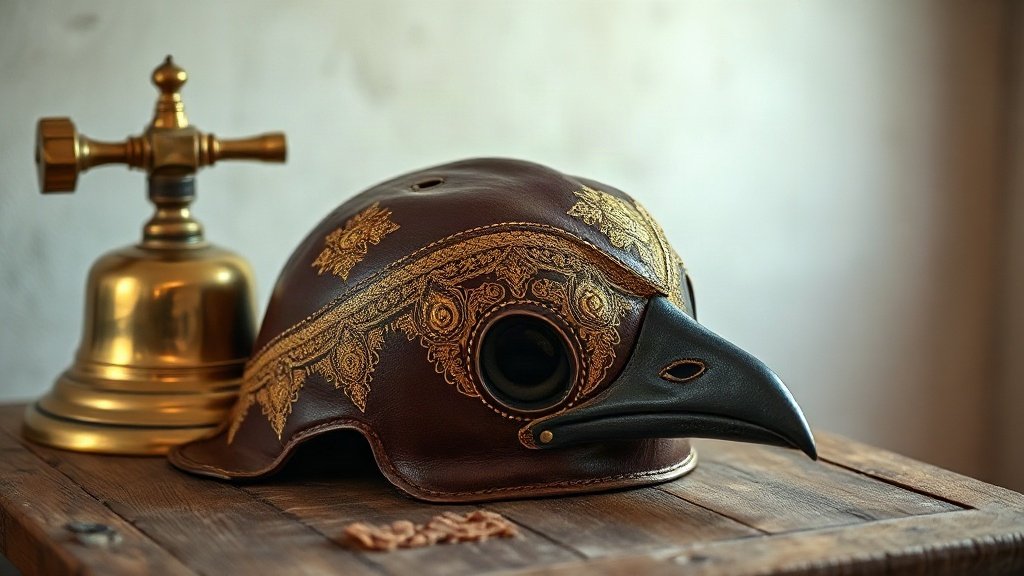
Illustration: AI-generated image
In the world of Gulf falconry, few pieces of equipment are as important or as beautifully crafted as the burqa, the small leather hood placed over a falcon's head. Known in English simply as a falcon hood, the burqa has been used for centuries to help trained birds stay calm and focused before a hunt. More than a tool, it is a symbol of the deep partnership between falconer and bird, and a showcase for traditional leatherworking skills.
A Practical Beginning
Falcons are naturally sharp-eyed hunters that can be easily startled by sudden movements or unfamiliar surroundings. Covering their eyes with a hood mimics the darkness of a nest and triggers a natural calming response. Once a falcon is hooded, it will usually sit quietly on the falconer's gloved fist, whether travelling, waiting for prey, or resting between flights. Removing the hood at the right moment sends a clear signal: it is time to hunt.
Craftsmanship and Materials
The traditional Gulf burqa is made by hand from soft, moulded leather, often goat or camel hide. The leather is shaped to fit the particular species of falcon, as a saker or peregrine needs a different profile than a smaller bird. The hood is stitched together and then decorated. Many craftsmen add fine embroidery with gold or silver thread, geometric patterns, and small tassels. The decoration is not only for beauty; it also identifies the maker and can reflect the owner's taste and status.
Types of Burqa
There are two main styles found in the Gulf. The first is the closed hood, which fully covers the falcon's eyes and is used for long periods of rest or travel. The second is the open-faced hood, which leaves the beak and part of the eyes exposed, allowing the bird to see a little while still remaining calm. Some modern hoods include a small drawstring at the back so the falconer can loosen or tighten the fit without removing the hood entirely.
Care and Use
Because a burqa is in direct contact with the falcon's delicate feathers and skin, it must be kept clean and dry. Falconers often store hoods in padded boxes when not in use and regularly check for signs of wear. A well-made hood can last for many years, and some are passed down through families as heirlooms. When not on the bird, a hood is often hung from the falconer's belt or kept in a special pouch.
A Living Tradition
Although modern materials and imported hoods are now available, many Gulf falconers still prefer locally made burqas. The craft continues to be taught in workshops and heritage centres, and hood-making is sometimes demonstrated at cultural festivals. For visitors to the region, seeing a falcon with its burqa is a gentle reminder that falconry is not just a sport but a living piece of Gulf heritage, where even the smallest object carries centuries of knowledge and care.