Souq Waqif, Doha: a practical guide to Qatar's historic market
Wander through narrow lanes filled with spices, perfumes, textiles and falcons at Doha's restored heritage souq, where tradition meets everyday life.
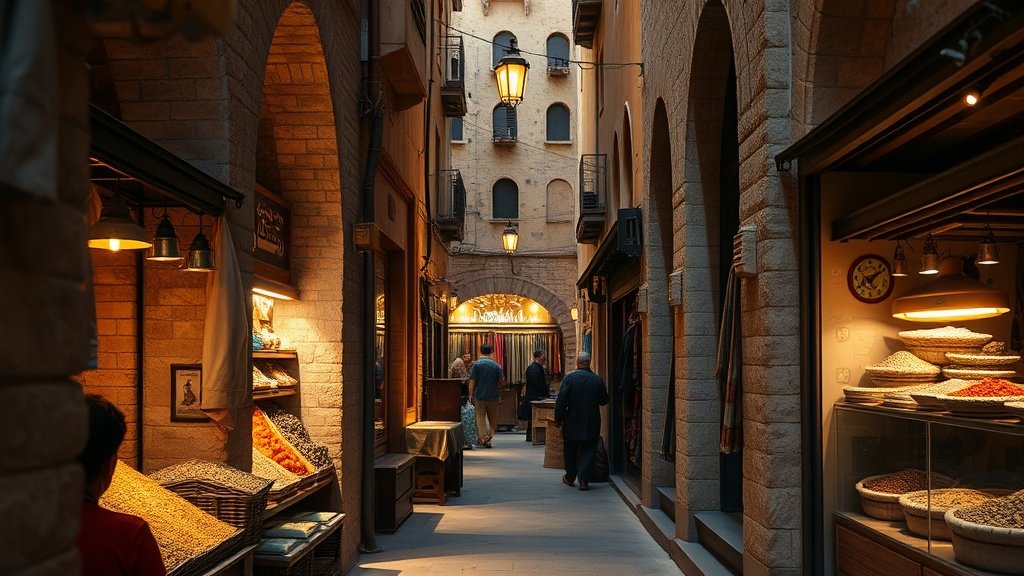
Illustration: AI-generated image
Souq Waqif, meaning "the standing market", is one of Doha's oldest and most atmospheric trading areas. Rebuilt in the traditional Qatari style after a fire in the early 2000s, it now offers a sensory journey through narrow lanes lined with mud-rendered shops, wooden doors and exposed timber beams. Whether you are hunting for spices, perfumes, textiles or simply soaking up the atmosphere, a visit here is a highlight of any trip to Qatar.
Getting there
The souq sits in the heart of Doha, near the Corniche and the Museum of Islamic Art. It is easily reached by taxi or ride-hailing apps, and the Doha Metro's Souq Waqif station on the Gold Line exits directly adjacent to the market. Once inside, the area is pedestrianised, so comfortable walking shoes are essential.
What to see and do
Wander without a fixed plan; getting lost in the maze of alleys is part of the experience. Key areas include the spice quarter, where sacks of saffron, sumac and dried limes create a vivid palette of colours and aromas, and the textile souq, where bolts of fabric and ready-made abayas are displayed. The falcon souq, a short walk from the main market, is unique to the region: visitors can see trained falcons up close and learn about the sport of falconry, deeply rooted in Qatari heritage. Nearby, the horse stables and camel pens offer a glimpse into traditional desert life.
For a break, the central square often hosts cultural events, and the surrounding lanes are dotted with small art galleries and craft shops selling handmade goods. In the evening, the souq comes alive as locals and visitors gather for dinner and shisha at the many outdoor terraces.
Shopping tips
Bargaining is expected in most shops, though prices are generally reasonable. Start by asking the price, then counter with a lower offer – a friendly smile goes a long way. Cash is widely accepted, but many vendors also take cards. If buying spices or perfumes, ask for a small sample to test first. Popular souvenirs include pashmina shawls, ornate lanterns, Arabic coffee pots (dallah) and boxes of dates.
Eating and drinking
The souq offers a huge range of dining options, from traditional Qatari and Levantine dishes to South Asian and Iranian cuisine. Look for small eateries serving machboos (spiced rice with meat or fish), grilled kebabs and fresh bread baked in clay ovens. For something sweet, try luqaimat, crispy dough balls drizzled with date syrup. Traditional Arabic coffee (gahwa) is served in tiny cups, often accompanied by dates. While alcohol is not served in the souq, there are plenty of juice stalls and tea houses.
Cultural etiquette
Qatar is a conservative country, and visitors to the souq should dress modestly: shoulders and knees covered for both men and women. Photography is generally allowed, but always ask permission before taking pictures of local people, especially women. During Ramadan, eating, drinking and smoking in public during daylight hours is prohibited, so plan your visit accordingly.
Whether you spend an hour or an entire afternoon, Souq Waqif offers a genuine sense of place and a connection to Qatar's trading past that no modern mall can replicate.