Sadu: The Gulf's Traditional Bedouin Weaving
Discover the ancient craft of Sadu, the hand-woven textile art of the Arabian Peninsula's Bedouin communities, celebrated for its bold geometric patterns and deep cultural roots.
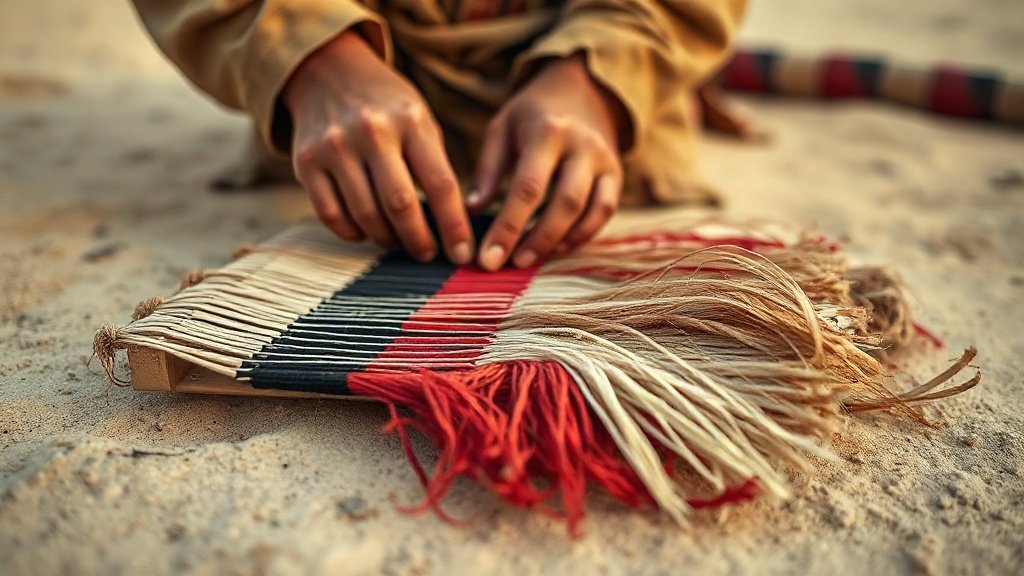
Illustration: AI-generated image
Sadu is the traditional hand-weaving technique practised by Bedouin women across the Arabian Peninsula, particularly in the Gulf states of Saudi Arabia, the UAE, Kuwait, and Qatar. Using simple ground looms and natural fibres, artisans create textiles that are both practical and deeply symbolic, from tent dividers and camel trappings to rugs and cushions.
What is Sadu?
The word sadu refers to the weaving itself and the distinctive style of fabric it produces. Historically, Bedouin communities relied on these textiles for shelter, storage, and decoration. The craft is passed down through generations, often learned by girls from their mothers and grandmothers. In 2011, the United Nations cultural agency UNESCO recognised Al Sadu as an Intangible Cultural Heritage in Need of Urgent Safeguarding, highlighting its importance to the region's identity.
Materials and Techniques
Sadu is woven on a ground loom, which is stretched directly on the earth or on a low wooden frame. The warp threads are made from strong, durable fibres such as camel hair or goat hair, while the weft may include sheep's wool for softer textures. Traditionally, fibres are spun by hand and dyed with natural pigments derived from plants and minerals, producing a palette dominated by deep reds, blacks, whites, and earthy browns.
The weaving process is slow and requires great skill. Weavers use a simple shed stick and a beater to interlace the weft through the warp, creating tight, even fabric. Unlike many other weaving traditions, Sadu often employs a technique called warp-faced weaving, where the warp threads are closely packed and the weft is almost invisible. This allows for the creation of intricate geometric patterns directly in the weave.
Patterns and Symbolism
Sadu patterns are not merely decorative; they carry deep meaning. Common motifs include triangles, diamonds, chevrons, and zigzags, each with symbolic associations. For example:
- Triangles often represent mountains or desert landscapes.
- Diamonds may symbolise water sources or stars.
- Chevrons can signify movement or the flow of sand dunes.
- Comb-like patterns are associated with protection against the evil eye.
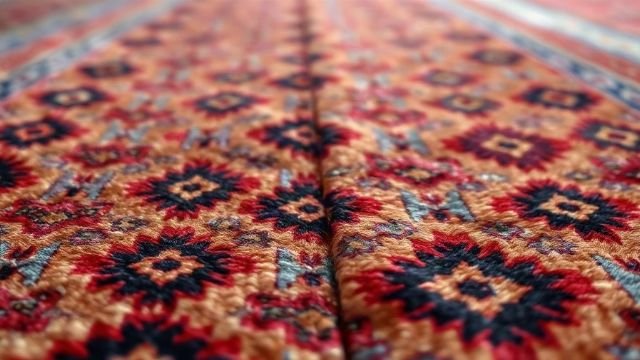
These motifs are combined in repeating bands, creating a visual language that differs slightly from one tribe to another. The colours also carry meaning: red is often linked to strength and vitality, black to protection, and white to purity.
Cultural Significance and Modern Revival
For centuries, Sadu textiles were essential to Bedouin life. They were used to make the bait al-sha'ar (house of hair), the traditional tent that sheltered families in the desert. Inside the tent, Sadu dividers provided privacy, while woven rugs and cushions added comfort. Camel trappings, saddlebags, and even ceremonial items were also crafted using this technique.
Today, Sadu is experiencing a revival as younger generations and cultural institutions work to preserve the craft. Weaving cooperatives, heritage centres, and contemporary designers are incorporating Sadu patterns into modern products, from fashion accessories to home decor. This blend of tradition and innovation helps keep the art alive while celebrating its timeless beauty.
Whether you encounter Sadu in a museum, a local souk, or a modern boutique, each piece tells a story of desert life, female creativity, and cultural continuity. It remains one of the Gulf's most tangible links to its nomadic past.