Ruz Bukhari: A Guide to the Gulf's Central Asian-Inspired Rice Dish
This beloved Saudi rice dish combines spiced basmati with tender meat, sweet carrots and raisins, reflecting centuries of trade and migration.
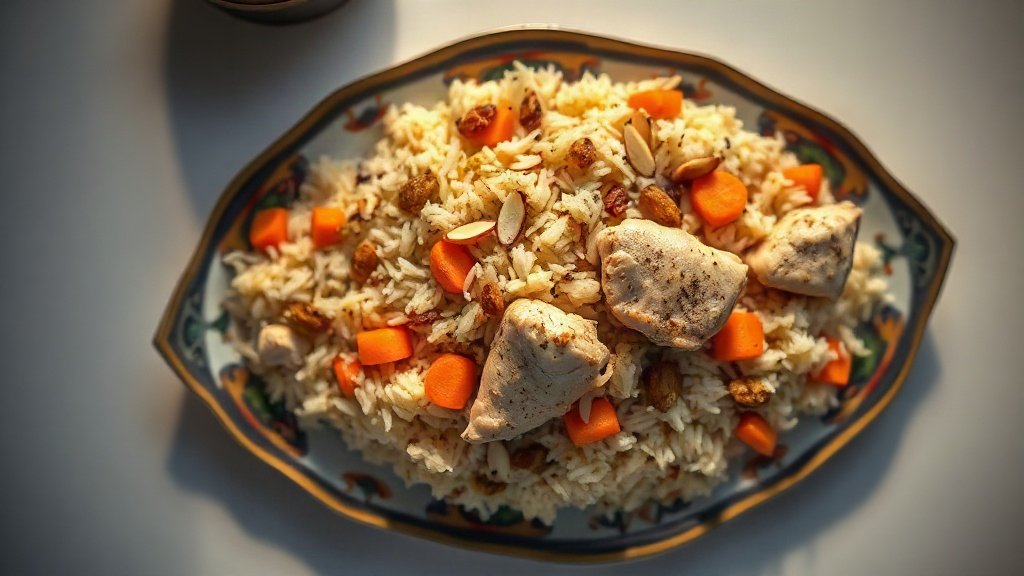
Illustration: AI-generated image
Walk into a traditional Saudi kitchen, especially in the western region of Hejaz, and you’ll likely encounter ruz bukhari — a deeply comforting rice dish with a story that stretches far beyond the Arabian Peninsula. Often referred to simply as “bukhari rice,” this dish has become a staple in homes and restaurants across the Gulf, loved for its aromatic spices, tender meat, and the subtle sweetness of carrots and raisins.
A Journey from Central Asia
Ruz bukhari takes its name from Bukhara, a historic city in modern-day Uzbekistan that was once a major stop on the Silk Road. Over centuries, trade and migration brought Central Asian culinary traditions to the Arabian Peninsula. In Saudi Arabia, particularly in the Hejaz region, immigrants from Bukhara and surrounding areas introduced their style of cooking rice with meat, carrots, and warming spices. Over time, the dish adapted to local tastes, incorporating Gulf ingredients and becoming a beloved part of the regional food culture.
What Makes Ruz Bukhari Different
At first glance, ruz bukhari may resemble other famous Gulf rice dishes like kabsa or mandi, but it has a distinct character. Unlike the smoky flavour of mandi or the robust spice blend of kabsa, ruz bukhari is often milder and more aromatic, with a noticeable sweetness from grated carrots and raisins. The rice is typically cooked in a rich meat broth, absorbing flavours from onions, garlic, and a carefully balanced mix of spices that can include cumin, coriander, cardamom, cinnamon, and black pepper. The meat — usually chicken or lamb — is cooked until tender and served either on top of the rice or mixed through.
Key Ingredients and Preparation
The heart of ruz bukhari lies in its simplicity and balance. Long-grain basmati rice is preferred for its fragrance and ability to stay separate when cooked. The meat is first browned with onions and spices to build a deep base, then simmered until succulent. Grated carrots and plump raisins are added towards the end, lending a gentle sweetness that contrasts beautifully with the savoury meat and spices. Toasted almonds or pine nuts are often sprinkled on top for crunch, and the dish is finished with a final steamy rest so the rice absorbs all the flavours.
How to Enjoy Ruz Bukhari
Ruz bukhari is traditionally served family-style, with the rice and meat arranged on a large platter for sharing. It is commonly accompanied by salata hara, a spicy tomato and chilli sauce that adds a bright, tangy kick, or by a simple yoghurt dip to cool the palate. In Saudi homes, it is a popular choice for Friday lunches and gatherings, as it feeds a crowd with ease and comfort.
For those dining out, ruz bukhari is widely available in Saudi and Gulf restaurants, often listed simply as “bukhari rice” or “ruz bukhari.” While it may be overshadowed by its more famous cousins, this dish offers a unique taste of the region’s multicultural heritage — a reminder that the Gulf’s food traditions are as much about connection and exchange as they are about flavour.
If you are eager to try it at home, start with a simple recipe using chicken, basmati rice, grated carrots, raisins, and a blend of warm spices. The result is a one-pot meal that is both satisfying and fragrant, perfect for introducing friends or family to the comforting flavours of the Gulf’s Central Asian-inspired cuisine.