Margoog: A Guide to the Gulf's Comforting Vegetable and Dough Stew
Discover Margoog, the hearty Gulf stew made with thin dough pieces, vegetables and tender meat — a beloved dish for family meals and Ramadan iftars.
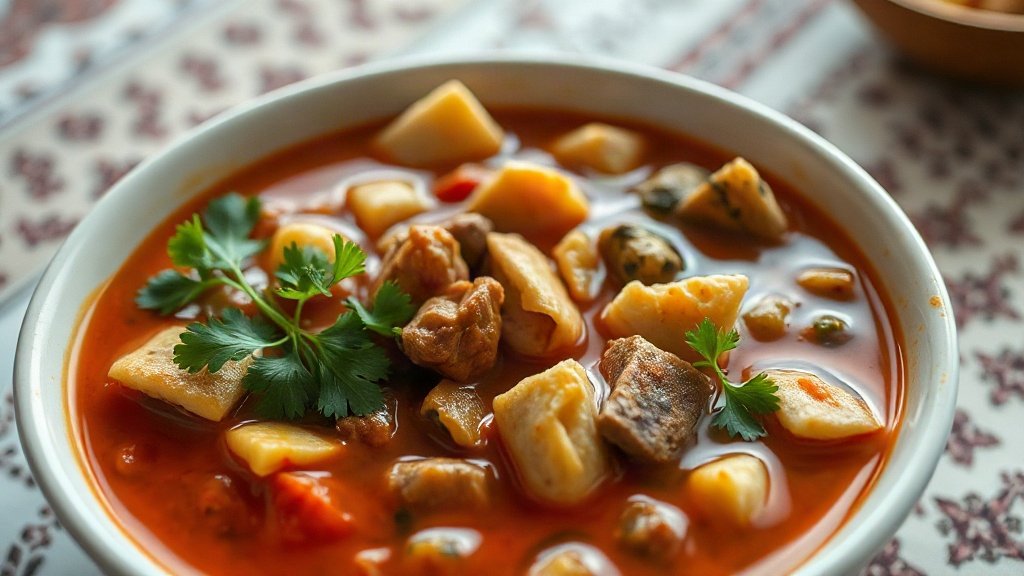
Illustration: AI-generated image
Margoog is one of the Gulf's most comforting and underrated dishes. This rustic stew, made with torn pieces of thin dough, tender meat and a medley of vegetables, is a staple in many homes across Qatar, the United Arab Emirates and parts of Saudi Arabia. It is the kind of meal that brings families together, especially during the cooler months and throughout Ramadan.
What is Margoog?
At its heart, Margoog is a thick, flavourful stew. The name comes from the Arabic word maraq, meaning broth, which reflects the dish's soupy consistency. What sets it apart from other Gulf stews is the dough: a simple mixture of flour, water and salt is rolled thin and then torn by hand into small, irregular pieces. These pieces are dropped into the simmering pot, where they cook until soft and slightly chewy.
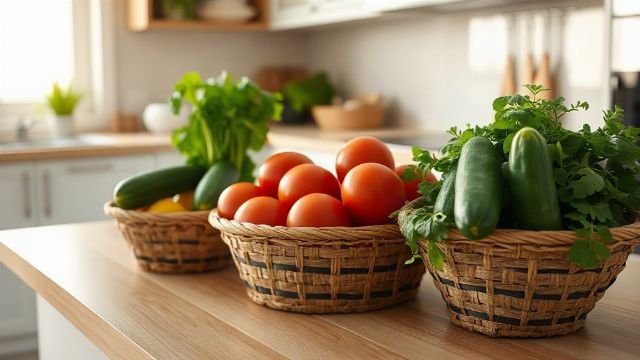
The rest of the dish is built on a base of tomatoes, onions and garlic, often with potatoes, carrots, courgettes and sometimes pumpkin or marrow. Lamb or chicken is the usual protein, though a vegetarian version with chickpeas is not uncommon. The stew is seasoned with a warm blend of spices similar to baharat — typically including turmeric, cumin, coriander, black pepper and sometimes dried lime (loomi) for a gentle tang.
How Margoog is Made
Making Margoog is a labour of love, but the method is straightforward. First, the meat is browned with onions and spices, then covered with water or stock and left to simmer until tender. Vegetables are added in stages, starting with the harder ones like potatoes and carrots, so everything cooks evenly. Meanwhile, the dough is prepared, rolled out and set aside.
Once the vegetables are nearly done, the dough pieces are dropped into the bubbling broth. They absorb the rich, tomatoey liquid as they cook, thickening the stew slightly. The result is a bowl that is both soup and meal — each spoonful carries a piece of dough, a chunk of vegetable and a shred of meat in a deeply savoury broth. It is often finished with a handful of fresh coriander or dried mint.
Enjoying Margoog in the Gulf
Margoog is a dish of home and tradition. It is rarely the star of restaurant menus, but it appears regularly at family gatherings, especially during Ramadan when it is served to break the fast. Its gentle, nourishing qualities make it ideal for iftar, and many cooks prepare large batches to share with neighbours and relatives.
When you do find Margoog at a local eatery or someone's home, it is usually eaten with flatbread such as khubz or regag, used to scoop up the stew. A side of fresh salad, pickles or daqqus (a spicy tomato sauce) adds brightness. Dates and Arabic coffee often follow the meal, in keeping with Gulf hospitality.
Tips for Making Margoog at Home
If you would like to try Margoog yourself, start with a simple dough: two cups of plain flour, a pinch of salt, and enough water to form a smooth, elastic ball. Let it rest while the stew simmers. Roll the dough as thin as possible, then tear it into rough pieces about the size of a large coin. Do not worry about uniformity — the irregular shapes are part of the charm.
For the stew, use lamb on the bone for extra flavour, or swap in chicken thighs for a lighter version. Be generous with tomatoes and spices, and allow everything to cook low and slow. The dough pieces should be added only in the last ten to fifteen minutes, so they remain tender without dissolving. Serve hot, with plenty of bread for dipping.
Margoog may not be as famous as machboos or harees, but it is a true taste of Gulf home cooking — humble, hearty and full of warmth.