Luqaimat Explained: The Gulf's Golden Dumplings and How to Enjoy Them
Crisp outside, soft inside and glossy with date syrup, luqaimat are among the Gulf's best-loved sweets. Here's what they are, when to find them and how to make them at home.
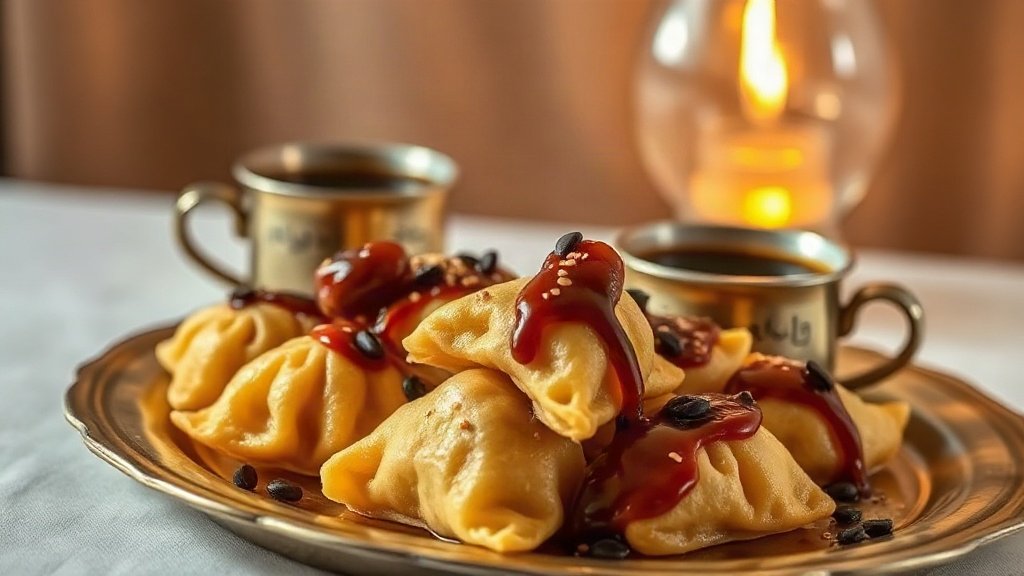
Illustration: AI-generated image
If you have spent a Ramadan evening in the Gulf, there's a good chance someone has handed you a small plate of luqaimat. These bite-sized fried dumplings are crisp and golden on the outside, light and slightly chewy within, and finished with a generous drizzle of date syrup. They are simple, comforting and very hard to stop eating.
Here's a friendly introduction to one of the region's most cherished sweets, whether you're tasting them for the first time or fancy trying them in your own kitchen.
What are luqaimat?
Luqaimat are small balls of yeasted batter, deep-fried until they puff up and turn a deep amber. The name comes from the Arabic word for a mouthful or morsel, which describes them perfectly: each one is meant to be popped straight into the mouth.
The batter is usually made from flour, yeast, a little sugar and water or milk, and is often scented with cardamom and saffron. Once fried, the dumplings are coated in dibs (date syrup) or a sugar syrup, and sometimes scattered with sesame seeds.
You'll hear different names across the region. In the UAE and Oman, luqaimat or lugaimat is common, while in Bahrain and Kuwait you may hear gaimat or legaimat. The dish is a close cousin of fried dough sweets found around the Mediterranean, such as Greek loukoumades and Levantine awameh.
When people eat them
Luqaimat are strongly associated with Ramadan. After iftar, families often bring them out alongside Arabic coffee and tea, and many households have a favourite recipe passed down through the generations.
They also appear at Eid gatherings, weddings, heritage festivals and winter events, where you can often watch them being fried fresh and scooped into paper cones. Outside these occasions, plenty of cafés and restaurants serving Emirati and Gulf food keep them on the dessert menu all year round.
How to eat them like a local
- Eat them warm. Luqaimat are at their best within minutes of leaving the oil, when the outside is still crisp.
- Pair them with gahwa. The bitter, cardamom-spiced Arabic coffee balances the sweetness beautifully.
- Share. They are usually served on a communal plate, so take a few and pass it along.
- Use your right hand or a small fork. Fingers get sticky, so napkins are your friend.
Making luqaimat at home
The recipe is forgiving, and the main ingredient you need is patience while the batter rises. Here's the general method:
- Prepare the flavourings. Soak a pinch of saffron in a little warm water and grind some cardamom.
- Mix the batter. Combine plain flour, a spoonful of sugar, instant yeast, a pinch of salt and the spices. Some cooks add a little cornflour for extra crispness or a spoonful of yoghurt for tenderness. Gradually stir in warm water or milk until you have a thick, sticky batter that is smooth but not runny.
- Let it rise. Cover and leave somewhere warm until the batter has roughly doubled and is full of bubbles.
- Fry in small portions. Heat neutral oil in a deep pan. Squeeze batter through your fist, or use two oiled teaspoons, to drop small balls into the oil. Turn them so they colour evenly.
- Drain and glaze. Lift them out when deep golden, drain briefly, then toss or drizzle with date syrup and sprinkle with sesame seeds.
A few tips: if your dumplings are dark outside but doughy in the middle, the oil is too hot. If they soak up oil and turn heavy, it's too cool. Keep a bowl of water nearby to dip your spoons or hand into, which stops the batter from sticking.
Twists worth trying
Traditional luqaimat with date syrup are hard to beat, but modern cafés and home cooks enjoy experimenting. You might come across versions drizzled with honey, chocolate or saffron-infused syrup, or filled with cream or cheese. Some people dust them with crushed pistachios for extra colour and crunch.
Whichever way you have them, luqaimat offer a delicious taste of Gulf hospitality: warm, generous and best enjoyed in good company.