Khanfaroosh: The Gulf's Saffron-Scented Sweet Dumplings
A guide to khanfaroosh, the traditional Emirati and Gulf fried dumplings flavoured with saffron and cardamom, often enjoyed during Ramadan and Eid.
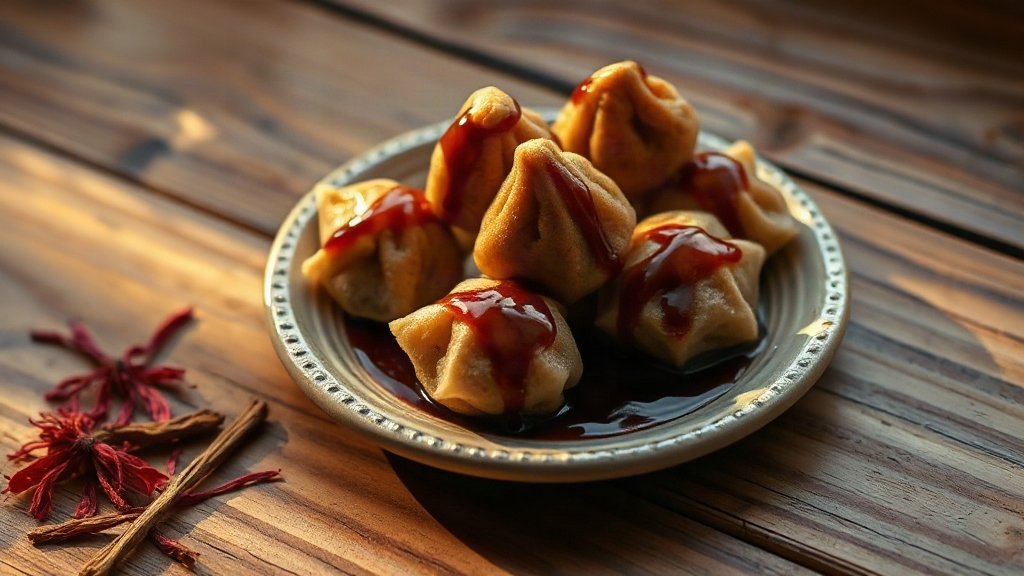
Illustration: AI-generated image
Across the Gulf, certain sweets hold a special place at family gatherings and festive tables. Khanfaroosh is one of them — a small, golden, fried dumpling that fills the air with the aroma of saffron and cardamom. Popular in the United Arab Emirates and neighbouring countries, khanfaroosh is a comforting treat that has been passed down through generations.
What is Khanfaroosh?
Khanfaroosh is a traditional Gulf sweet made from a simple batter of flour, eggs, sugar, and leavening, deeply flavoured with saffron, cardamom, and sometimes rose water. The batter is dropped by spoonfuls into hot oil, where it puffs into round, slightly flattened dumplings with a crisp exterior and a soft, airy centre. They are often compared to luqaimat, another popular Gulf dumpling, but khanfaroosh tends to be flatter and has a more pronounced egg flavour, giving it a tender, cake-like crumb.
Ingredients and Flavours
The hallmark of khanfaroosh is its aromatic spice blend. Saffron lends a golden hue and a subtle floral note, while ground cardamom adds warmth and depth. Some recipes include a splash of rose water or orange blossom water for extra fragrance. The dough is lightly sweetened, allowing the spices to shine through, and a final drizzle of date syrup (dibs) or a dusting of icing sugar balances the flavours.
While recipes vary from family to family, common ingredients include:
- Plain flour
- Eggs
- Sugar
- Baking powder or yeast
- Ground cardamom
- Saffron threads (soaked in a little warm water)
- Rose water or orange blossom water (optional)
- Oil for frying
How Khanfaroosh is Made
Making khanfaroosh is straightforward and rewarding for home cooks. First, the saffron is steeped in a small amount of warm water to release its colour and flavour. The dry ingredients are combined, then the wet ingredients — including eggs, saffron water, and any floral waters — are mixed in to form a thick, smooth batter. Some cooks let the batter rest briefly, especially if using yeast, to develop a lighter texture.
The batter is then carefully dropped by the tablespoon into medium-hot oil. The dumplings fry until golden brown on both sides, puffing up as they cook. They are drained on kitchen paper and served warm, often with a bowl of date syrup for dipping or a light dusting of sugar.
Serving and Enjoying
Khanfaroosh is especially popular during the holy month of Ramadan, when it appears on iftar tables to break the fast, and during Eid celebrations. It is also a beloved everyday sweet, often enjoyed with a cup of Arabic coffee (gahwa) or karak chai in the afternoon. The contrast between the crisp outside and soft inside, combined with the heady scent of saffron, makes each bite a small celebration.
Because they are quick to make and use pantry staples, khanfaroosh is an accessible introduction to Gulf home baking. Whether drizzled with sticky date syrup or simply eaten warm from the pan, these dumplings capture the essence of generosity and hospitality that defines Gulf cuisine.