How to Store Rice and Grains in the Gulf: A Practical Pantry Guide
Keep rice, lentils and other dry staples fresh and pest-free in the Gulf's hot, humid climate with these simple storage habits.
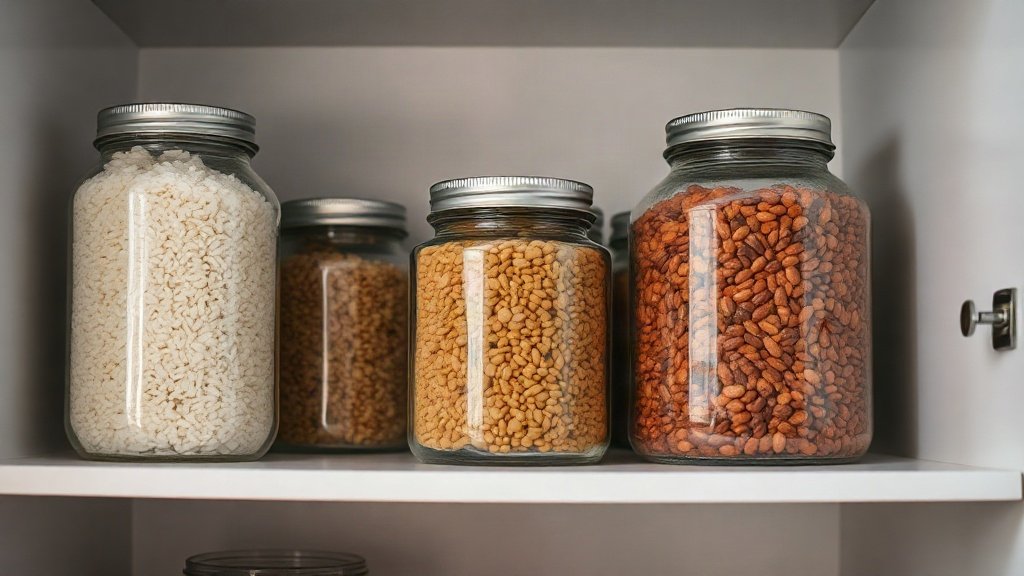
Illustration: AI-generated image
In the Gulf's hot and humid climate, staple foods like rice, lentils, flour and other dry grains need a little extra care. Without proper storage, moisture and insects can quickly spoil your pantry. These simple habits will help you keep everything fresh, safe and ready to cook.
Choose the right containers
Once opened, transfer rice, grains and pulses from their original bags into sturdy, airtight containers. Glass jars, thick plastic bins or food-grade metal canisters all work well. A tight seal keeps out moisture and pests, both of which thrive in humid conditions.
For large quantities, use food-grade plastic buckets with clip-on lids. Label each container with the contents and the date you bought or opened it, so older stock gets used first.
Store in a cool, dark place
Heat and direct sunlight can cause grains to turn rancid and lose quality. Keep containers in a cupboard or pantry away from the cooker, fridge vents and sunny windows. A consistent, moderate temperature is best — avoid storing rice above the oven or near a dishwasher.
If your kitchen gets especially hot in summer, consider keeping bulk supplies in a hall cupboard or a shaded larder.
Protect against pests naturally
Small insects and weevils are a common problem in warm climates. A few natural deterrents can help. Add a dried bay leaf, a couple of whole cloves or a small muslin bag of black peppercorns inside each container. These are safe for food and discourage many pests without chemicals.
It is also wise to inspect new purchases. Freeze newly bought flour, rice or lentils for 48 hours before storing. This kills any insect eggs that may be present and gives you peace of mind.
Keep moisture out
Humidity is the biggest enemy of dry goods. Always use a dry spoon when scooping and never pour back unused portions that may have come into contact with steam or wet hands. If you live near the coast, silica gel sachets (food-safe) can be placed inside large containers to absorb excess moisture.
Avoid storing grains in the fridge unless they are in a truly airtight container, as condensation can form when the container is opened and closed.
Rotate your stock
Use the first-in, first-out method. Place newer purchases behind older ones, and check dates regularly. Whole grains like brown rice and whole wheat flour have a shorter shelf life because of their natural oils; use them within a few months. White rice, dried beans and lentils can last much longer when stored well.
With these straightforward steps, your pantry will stay tidy, your staples will last longer, and you will waste less food even during the most humid months of the year.