A Guide to Business Gifts in the Gulf: What to Give and What to Avoid
Gift-giving is an important part of building business relationships in the Gulf. Learn what to give, what to avoid, and how to present gifts with cultural sensitivity.
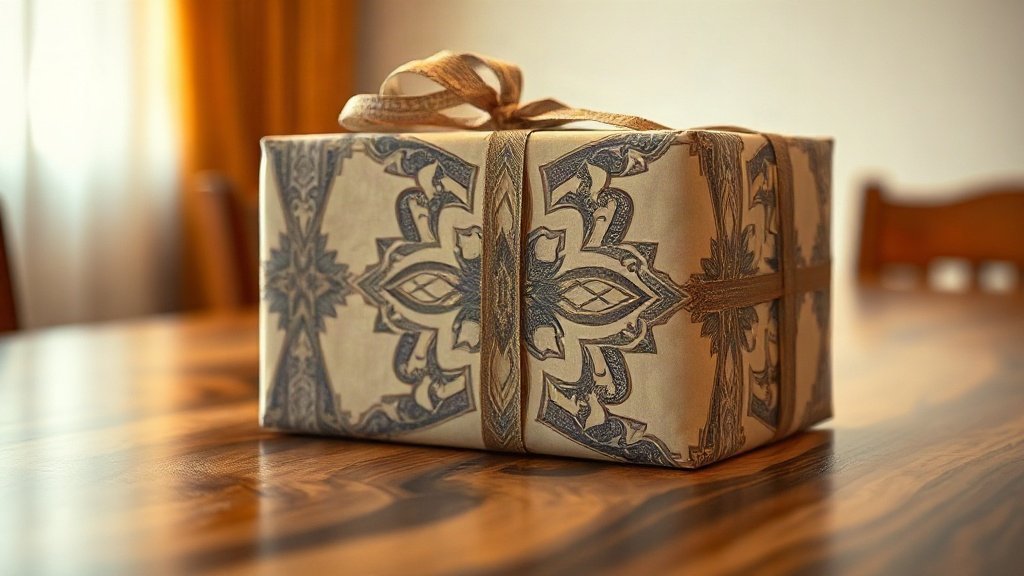
Illustration: AI-generated image
In the Gulf, gift-giving is not just a formality—it is a meaningful way to build and nurture professional relationships. A well-chosen gift can open doors, while an inappropriate one can cause embarrassment or even offence. This guide explains the cultural norms around business gifts in the Gulf and offers practical advice for getting it right.
Understanding gift-giving culture
Hospitality and generosity are deeply rooted in Gulf traditions. Giving gifts is a way of showing appreciation, respect, and goodwill. In business, gifts are often exchanged after successful negotiations, during festive seasons like Ramadan or Eid, or when visiting a partner's office for the first time. However, gifts should never be perceived as bribes—they are gestures of friendship, not transactions.
Reciprocity is expected, but not immediate. If you receive a gift, it is polite to reciprocate at a later date. Always be gracious when receiving; accept with both hands or the right hand, and avoid opening the gift immediately unless the giver insists.
Appropriate gifts
The best gifts reflect thoughtfulness and an understanding of local culture. High-quality dates, fine chocolate, or luxury sweets are always well received. Traditional Arabic coffee pots (dallah) or ornate incense burners make memorable presents for partners who appreciate local crafts. For international visitors, gifts from your home country—such as art books, premium stationery, or branded corporate items—are also suitable, provided they are of good quality.
When choosing a gift, consider the recipient's position and interests. For senior executives, a tasteful desk accessory or a fine pen can be appropriate. Avoid overly personal items such as clothing or perfume, unless you know the recipient well. If you are unsure, a premium box of dates or a beautifully presented gift basket is a safe and elegant choice.
Gifts to avoid
Certain items should be avoided due to cultural or religious sensitivities. Alcohol and pork products are strictly forbidden for Muslim recipients. Avoid giving items made from pigskin or any product containing alcohol, including perfumes with alcohol content. Gifts that depict religious figures or symbols from other faiths should also be avoided.
Sharp objects like knives or scissors are considered unlucky in some cultures and are best skipped. Similarly, giving a clock or watch can be misinterpreted as a wish for the recipient's time to end. If you are unsure about an item, it is better to err on the side of caution and choose something universally accepted.
Timing and presentation
The presentation of a gift is as important as the gift itself. Always wrap gifts neatly, ideally in high-quality paper with a simple, elegant design. Avoid wrapping paper with images of animals or people, as these may be seen as inappropriate. When offering a gift, use your right hand or both hands—never the left hand alone, which is traditionally considered unclean.
Gifts are often given at the end of a meeting or meal, rather than at the beginning. If you are visiting someone's home, bring a small gift for the host, such as sweets or flowers. During Ramadan, gifts are especially appreciated; dates and Arabic sweets are perfect choices for iftar gatherings.
Remember that modesty is valued: avoid overly expensive gifts, which may embarrass the recipient or be seen as an attempt to influence. A thoughtful, moderate gift is far more effective than an extravagant one.
Building lasting relationships
Gift-giving in the Gulf is a long-term investment in trust and mutual respect. By following these guidelines, you show that you care about the relationship and understand the local culture. When in doubt, observe what others do or ask a local colleague for advice. A well-chosen gift, presented with sincerity, can strengthen your business ties for years to come.