How to Make Loomi at Home: Preserving Gulf Limes for Year-Round Flavour
Dried limes, or loomi, are a cornerstone of Gulf cooking. Learn how to make them at home, from selecting the right limes to storage and everyday uses.
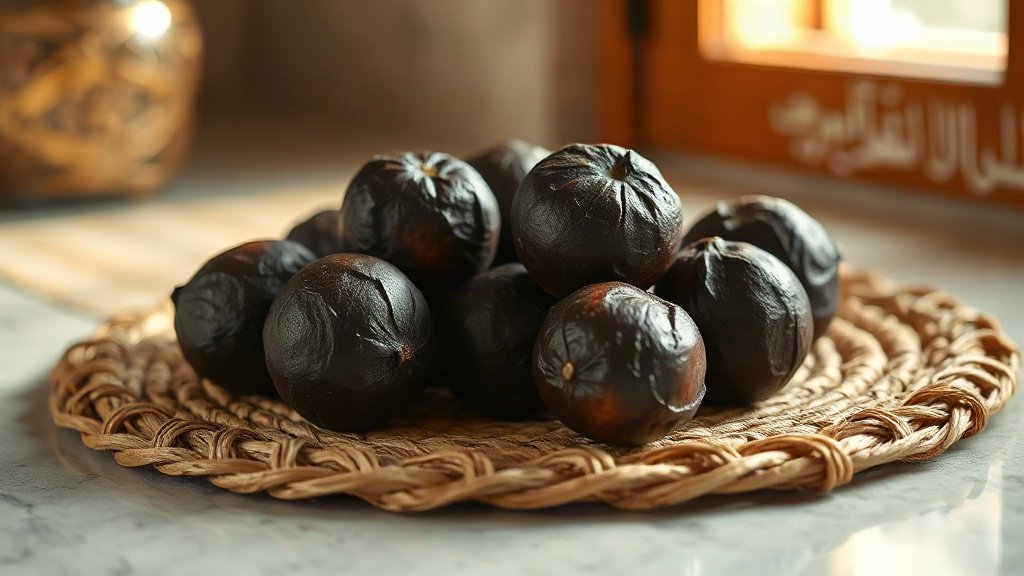
Illustration: AI-generated image
In Gulf kitchens, few ingredients carry as much quiet power as loomi — sun-dried limes that add a deep, tangy smokiness to slow-cooked stews, rice dishes and even tea. While you can buy them ready-dried, making loomi at home is a simple, rewarding process that connects you to a tradition stretching back generations.
What is loomi?
Loomi (also written as loomi, lumi, or black lime) is made from small, thin-skinned limes that are boiled in salt water and then left to dry in the sun until they turn hard, dark and hollow. The result is a concentrated burst of citrus — sour, slightly fermented and earthy. It is used across the Arabian Peninsula, especially in the UAE, Oman, Qatar and Saudi Arabia, where it flavours dishes like machboos, saloona and slow-cooked lamb or chicken.
Choosing the right limes
The best loomi starts with the right fruit. Look for small, thin-skinned limes — often called Persian limes or Mexican limes — that are fully ripe and fragrant. Avoid thick-skinned varieties, which take longer to dry and can turn bitter. If you have a lime tree or access to a local market, choose fruits that feel heavy for their size and have a bright, acidic aroma.
How to make loomi at home
The traditional method requires only limes, salt, water and sunshine.
Step 1: Boil the limes. Bring a large pot of water to a rolling boil and add a generous handful of salt (about 1 tablespoon per litre). Drop in the whole limes and blanch them for 3–5 minutes, until the skins soften slightly. This step helps preserve the colour and speeds up drying.
Step 2: Drain and cool. Remove the limes with a slotted spoon and spread them on a clean tray. Let them cool completely and dry off any surface moisture.
Step 3: Sun-dry. Place the limes on a mesh rack or a clean cloth in a sunny, well-ventilated spot. Cover with a light netting to keep insects away. Turn the limes every day or two. Depending on the heat and humidity, they will take anywhere from one to four weeks to dry fully. They are ready when the skins are hard, dark brown to black, and the limes feel light and hollow when shaken.
Alternative method: If you don't have reliable sun, use a food dehydrator set to 60°C (140°F) for 24–36 hours, or an oven on its lowest setting with the door slightly ajar, checking regularly.
Storing your loomi
Once fully dried, store loomi in an airtight container in a cool, dark cupboard. They will keep for up to a year, though their flavour is best within the first six months. You can also grind them into a powder, but whole dried limes retain their aroma longer.
How to use loomi in everyday cooking
Loomi is wonderfully versatile. Pierce a whole dried lime two or three times with a knife and add it to simmering stews, soups or rice dishes — it infuses the liquid with a mellow tang. Remove before serving or leave it in the pot as a visual cue. For a finer texture, break the loomi open, discard any seeds, and grind the shell and pulp into a powder to use as a spice rub or seasoning for grilled meats and fish.
One of the simplest ways to enjoy loomi is as a tea. Crush one dried lime, pour over boiling water, and steep for five minutes. The resulting infusion is tart, comforting and surprisingly refreshing, served hot or chilled with a little honey.
A tradition worth keeping
Making loomi at home is more than a kitchen project — it is a way to slow down and preserve a seasonal abundance. With a little patience and sunshine, you can capture the essence of Gulf limes and keep it on your shelf all year long.