How to Get a Driving Licence in the Gulf: A Step-by-Step Guide
New to the Gulf? Here is what you need to know about getting behind the wheel, from documents to driving tests.

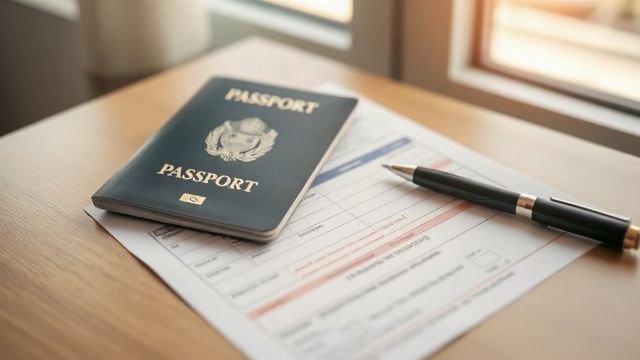
Illustration: AI-generated image
Moving to the Gulf brings many adjustments, and for most residents, driving is essential. The process of getting a driving licence may seem daunting, but it is manageable if you know the steps. While each Gulf country has its own rules, many requirements are similar across the region. This guide walks you through the general process.
Check Your Eligibility
First, confirm that you meet the basic criteria. You will need a valid residence visa, as most Gulf countries require residency before you can apply for a local licence. In some cases, holders of licences from certain countries can simply exchange their existing licence without taking a test. This often applies to licences from the UK, US, Canada, Australia and some European countries. If your licence is not eligible for direct exchange, you will need to go through the full testing process.
Gather Required Documents
Typically, you will need your original passport, residence visa, Emirates ID (in the UAE) or national ID equivalent, a no-objection letter from your sponsor or employer, and several passport-sized photographs. An eye test is usually mandatory and can be done at an authorised optician or driving centre.
Enrol in a Driving School
You must attend a licensed driving school. Lessons are given in English, Arabic and other languages. The school will help you open a traffic file and guide you through the theory and practical stages. You will choose between manual or automatic transmission training; automatic is more common for everyday driving.
Pass the Theory Test
The theory test assesses your knowledge of traffic signs, road rules and safety. Study materials are provided by the driving school, and the test is often computer-based. Passing this test is required before you can start practical lessons.
Complete Practical Training
The number of mandatory lessons varies. If you are a beginner, you may need 20 to 40 hours of training. Experienced drivers from countries without an exchange agreement may require fewer lessons. Lessons cover basic manoeuvres, parking, lane changing, and driving on highways. You must complete a set number of hours before booking the road test.
Take the Road Test
The road test is conducted by a traffic police officer or a certified examiner. You will drive on public roads, and the examiner will assess your control, observation, and adherence to traffic rules. Many people do not pass on the first attempt, so do not be discouraged. If you fail, you can rebook after additional lessons.
Receive Your Licence
Once you pass, your licence is issued immediately or within a few days. It is usually valid for several years, after which you renew it with a new eye test and fees. Remember to always carry your licence while driving.
Tips for Success
- Choose a reputable driving school with good reviews and English-speaking instructors.
- Practise outside lessons if possible, using a friend's car with a learner's permit if allowed.
- Familiarise yourself with local driving culture, which can be more assertive than in other countries.
- Be patient; the process can take several weeks to months.
Getting a driving licence in the Gulf is a structured process that rewards preparation. With the right documents, training and mindset, you will soon be exploring the region on your own terms.