How to Care for Your Abaya and Thobe: A Practical Guide to Gulf Traditional Dress
A step-by-step guide to washing, ironing and storing the Gulf's iconic garments, so they always look their best.
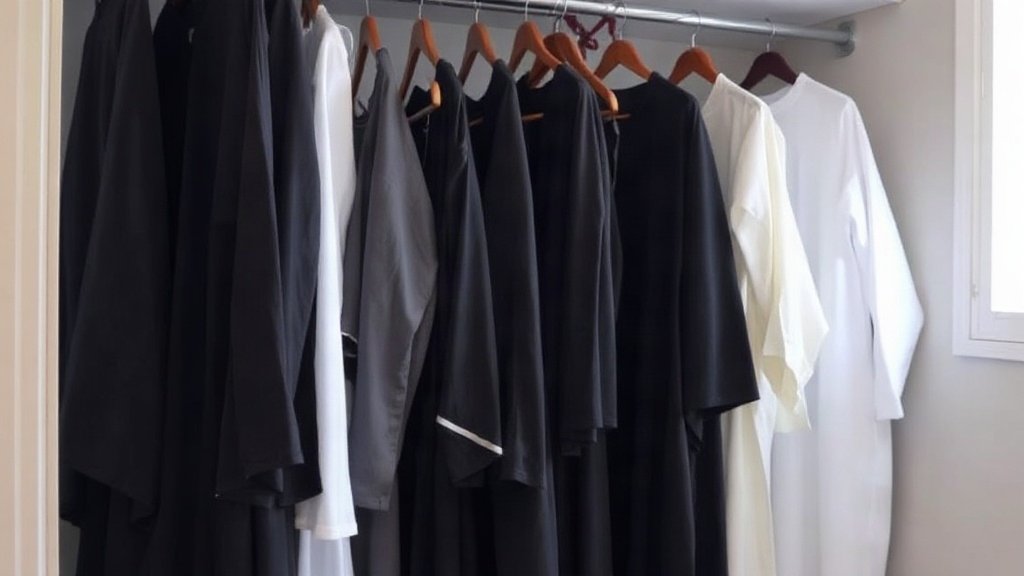
Illustration: AI-generated image
For many residents of the Gulf, the abaya and thobe are more than traditional garments—they are part of daily life. Keeping them clean, crisp and well-maintained ensures you always look polished, whether at work, prayer or social gatherings. Here is a practical guide to caring for these essential pieces.
Understanding the Fabrics
Abayas are often made from lightweight fabrics such as crepe, chiffon or nida, while thobes are typically cotton or a cotton-polyester blend. Check the care label before washing; most can be machine washed on a gentle cycle with cold water, but delicate embellishments may require hand washing.
Washing and Drying
Turn garments inside out to protect the outer surface and any embroidery. Use a mild detergent and avoid bleach, which can discolour dark abayas or yellow white thobes. For white thobes, you can add a small amount of oxygen-based bleach to keep them bright, but check the fabric first. To prevent yellowing, avoid using too much detergent and rinse thoroughly. For heavily embellished pieces, hand wash in cool water with a gentle soap. Always air dry in the shade—direct sunlight can fade colours and weaken fibres. Never tumble dry, as heat can shrink or damage the fabric.
Ironing and Pressing
Thobes look best with sharp creases on the sleeves and front. Iron while slightly damp on a medium heat setting, using a press cloth if the fabric is delicate. If you prefer a crisper finish, thobes can be starched lightly using a spray starch before ironing. Abayas should be ironed inside out on a low to medium setting, avoiding direct heat on embroidery or sequins. Avoid starch on dark fabrics as it may leave white marks. If you have a steamer, it is an excellent alternative that removes wrinkles without flattening embellishments.
Storing Your Garments
Hang abayas and thobes on wide, padded hangers to maintain their shape. Avoid wire hangers, which can cause shoulder dimples. Keep them in a cool, dry wardrobe away from humidity to prevent mildew. For long-term storage, use breathable cotton garment bags rather than plastic, which can trap moisture. To keep abayas smelling fresh, place a sachet of dried lavender or a piece of bakhoor in the wardrobe, but avoid direct contact with the fabric.
Caring for Embellishments
Many abayas feature delicate beadwork, crystals or hand-stitched embroidery. Always handle these gently: turn the garment inside out before washing, and place it in a mesh laundry bag if machine washing. After drying, check for loose threads or beads and repair them promptly to prevent further damage. For heavily embellished abayas, consider professional dry cleaning occasionally, but be aware that some sequins may not withstand chemicals, so test a small area first.
Daily Wear Tips
When wearing abayas and thobes, be mindful of perfume and deodorant, as they can stain delicate fabrics over time. Allow deodorant to dry completely before dressing, and apply perfume to pulse points rather than directly on the fabric. This simple habit keeps your garments looking pristine longer.
With the right care, your abaya and thobe will remain beautiful and comfortable for years, reflecting the elegance of Gulf tradition in your everyday life.