Hammour: A Guide to the Gulf's Favourite Fish
Hammour, the prized grouper of Gulf waters, is a staple on dinner tables from Kuwait to Oman. Learn why it is so beloved, how it is cooked, and the best ways to enjoy it.
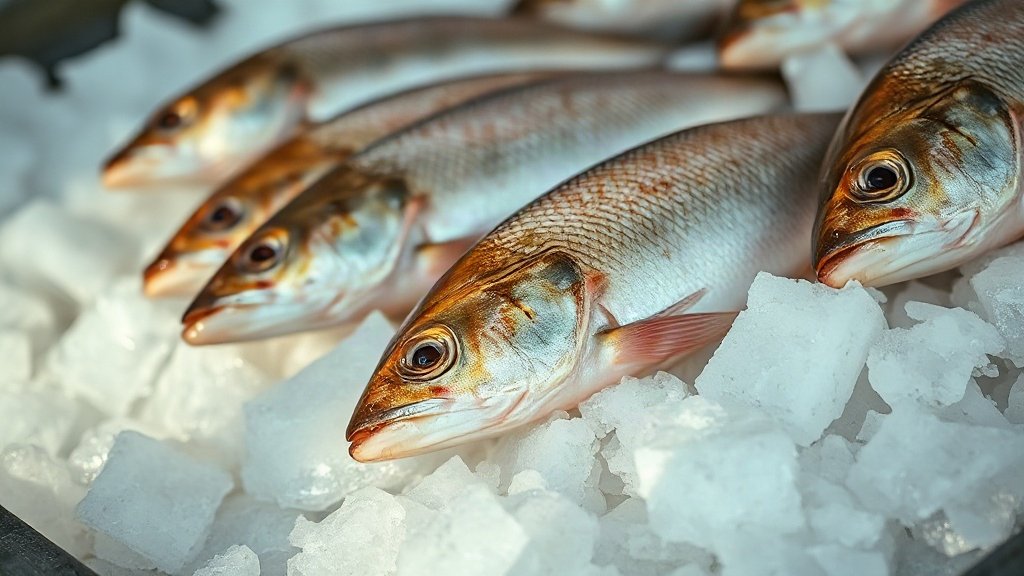
Illustration: AI-generated image
Walk through any fish market in the Gulf and one fish stands out: the hammour. This large, plump grouper, with its speckled brown skin and firm white flesh, is the most popular fish in the region. It appears on restaurant menus, at family gatherings, and in the traditional dishes that define Gulf cuisine. But what makes hammour so special, and how can you bring it into your own kitchen?
What is hammour?
Hammour is the local name for several species of grouper found in the warm waters of the Arabian Gulf and the Sea of Oman. The most common is the orange-spotted grouper (Epinephelus coioides), known for its mild, slightly sweet flavour and meaty texture. It can grow to over a metre in length, but market-size fish are usually between one and five kilograms, ideal for feeding a family.
The fish is prized for its versatility. Its flesh holds together well during grilling and frying, yet it also breaks into large, tender flakes when cooked in stews or rice dishes. Unlike oilier fish, hammour has a clean taste that takes on spices beautifully.
How hammour is cooked in the Gulf
In Gulf homes, hammour is prepared in ways that reflect the region's love of bold spices and slow cooking. The most iconic method is grilling over charcoal. A whole hammour is slashed, rubbed with a paste of garlic, turmeric, dried lime (loomi), and baharat, then grilled until the skin crisps and the flesh is smoky and moist. It is served with rice, salad, and a squeeze of fresh lime.
Another classic is hammour machboos, the Gulf's spiced rice dish. Pieces of fish are simmered in a tomato-onion sauce with loomi, then layered with fragrant basmati rice and cooked until the flavours meld. The fish adds a delicate sweetness that balances the earthy spices.
For a simpler meal, hammour is often fried. Steaks or fillets are dusted with spiced flour and shallow-fried until golden, then served with daqqus, a tangy tomato sauce, and fresh bread. This is a favourite for weeknight dinners because it is quick and satisfying.
In coastal towns, you may also find hammour in sayadiyah, the fisherman's rice, where it is caramelised with onions and cooked with rice, giving the dish a deep, savoury richness.
Buying and preparing hammour
When buying fresh hammour, look for clear, bright eyes, red gills, and firm flesh that springs back when pressed. The skin should be shiny and slightly slimy, not dry. If buying fillets, choose those with a pearly white colour and no strong fishy smell. Whole fish can be grilled or baked, while fillets are perfect for frying or curries.
To prepare a whole hammour for grilling, make three or four deep slashes on each side. This helps the marinade penetrate and ensures even cooking. A simple marinade of olive oil, crushed garlic, ground turmeric, cumin, and a squeeze of lemon is all you need. Let the fish rest for at least 30 minutes before grilling over medium-high heat, about 8–10 minutes per side depending on thickness.
Because hammour is a lean fish, avoid overcooking—it can dry out quickly. The flesh should flake easily with a fork but still look glossy. Serve it with rice, a fresh salad of cucumber and tomato, and plenty of lemon wedges.
A fish for all occasions
Whether it is a simple Friday lunch or a festive gathering, hammour is a symbol of Gulf hospitality. Its mild flavour and meaty texture make it a crowd-pleaser, while its cultural significance runs deep. For home cooks, it offers a delicious way to explore the tastes of the region. Next time you see it at the market, bring one home and try your hand at a traditional recipe—you will understand why it is the Gulf's favourite fish.