Gulf Weekends: A Practical Guide to Friday and Saturday
The Gulf's weekend falls on Friday and Saturday, which shapes the region's rhythms of prayer, shopping and leisure. Here's how visitors can plan their days effectively.
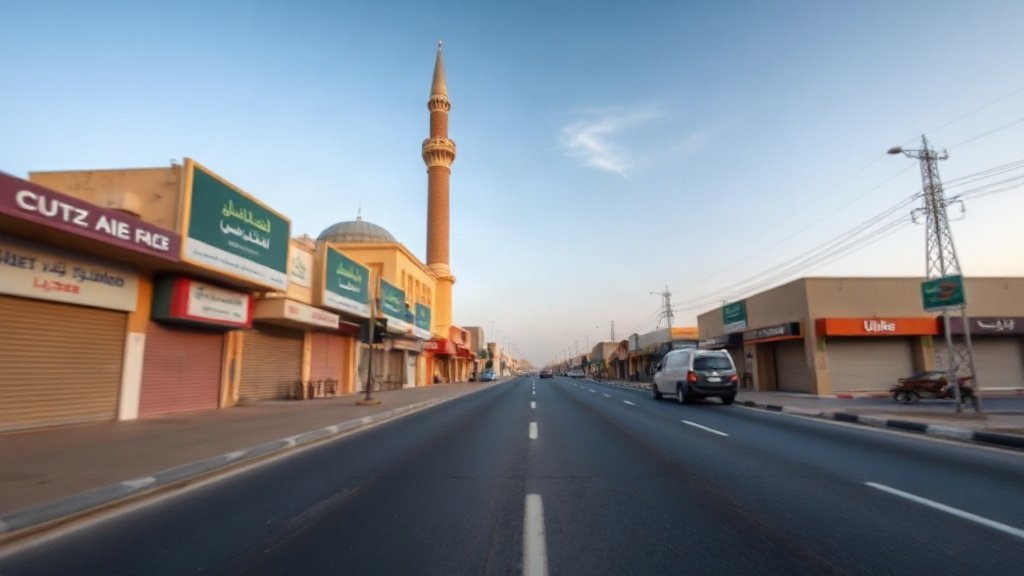
Illustration: AI-generated image
In most Gulf countries, the working week runs from Sunday to Thursday, with Friday and Saturday forming the weekend. This differs from many Western nations, where Saturday and Sunday are days off. Understanding this schedule is essential for visitors who want to make the most of their time in the region.
Why the weekend is different
Friday is the holiest day of the week in Islam, and the midday congregational prayer, known as Jumu'ah, is a central weekly event. As a result, many businesses, government offices and some shops close for at least a few hours on Friday morning and early afternoon. The weekend extends into Saturday, which is a full day off for most public-sector employees and many private companies. Sunday, however, is a normal working day in the Gulf.
What to expect on Friday
On Fridays, the pace of life slows down considerably until the afternoon. Mosques fill with worshippers around midday, and the streets near large mosques can become congested. Many restaurants and cafes remain closed until after the prayer, often reopening around 1pm or 2pm. Shopping malls and major supermarkets may open earlier but still see a lull during prayer time. In the evening, however, Fridays are lively. Families gather for meals, malls are busy, and public spaces fill with people enjoying the start of the weekend.
Saturday and Sunday
Saturday is the second day of the weekend, and most attractions, shops and restaurants operate as normal. It is a popular day for outings, so beaches, parks and tourist sites can be crowded, especially in cooler months. On Sunday, the working week begins again, which means traffic returns to weekday patterns and government services resume. For visitors, Saturday is usually the best day to explore, while Friday mornings are best reserved for rest or visiting a mosque if permitted.
Weekend customs and culture
Friday is traditionally a family day. Many residents attend the midday prayer and then share a large meal at home or in restaurants. In some countries, Friday brunches are popular among expatriates, though these are usually hosted by hotels and restaurants that are open throughout the day. Saturday, by contrast, is more of a leisure day, with people heading to shopping malls, cinemas, beaches or desert camps. During the holy month of Ramadan, the pace changes further, with many businesses operating on reduced hours and the weekend effectively beginning earlier on Thursday evening.
Practical tips for visitors
- Check opening times in advance: museums, heritage sites and souqs may have different hours on Fridays, often opening only after the midday prayer.
- Plan meals around prayer times: many restaurants remain closed until early afternoon on Fridays, so avoid arriving for lunch before 1pm.
- Avoid driving near large mosques around midday on Fridays, as traffic can be heavy and parking scarce.
- Use Saturday for day trips: with the full day free, you can venture further afield and return in the evening without worrying about early closures.
- Remember that Sunday is a workday: if you need to extend a visa, visit a bank or contact a government office, do so between Sunday and Thursday.
While the Friday–Saturday weekend is standard across the Gulf Cooperation Council countries—Saudi Arabia, the UAE, Qatar, Kuwait, Bahrain and Oman—some private businesses and international companies may follow a Sunday–Thursday schedule with a half-day on Saturday. It is always wise to confirm specific opening hours for any place you plan to visit.
By aligning your plans with the local weekend, you can experience the Gulf at its most vibrant—from Friday evening family gatherings to Saturday's bustling souqs and beaches.