Gulf Wedding Traditions: A Guide to Customs and Celebrations
From the engagement to the final feast, traditional Gulf weddings are rich with rituals that express joy, community and heritage.
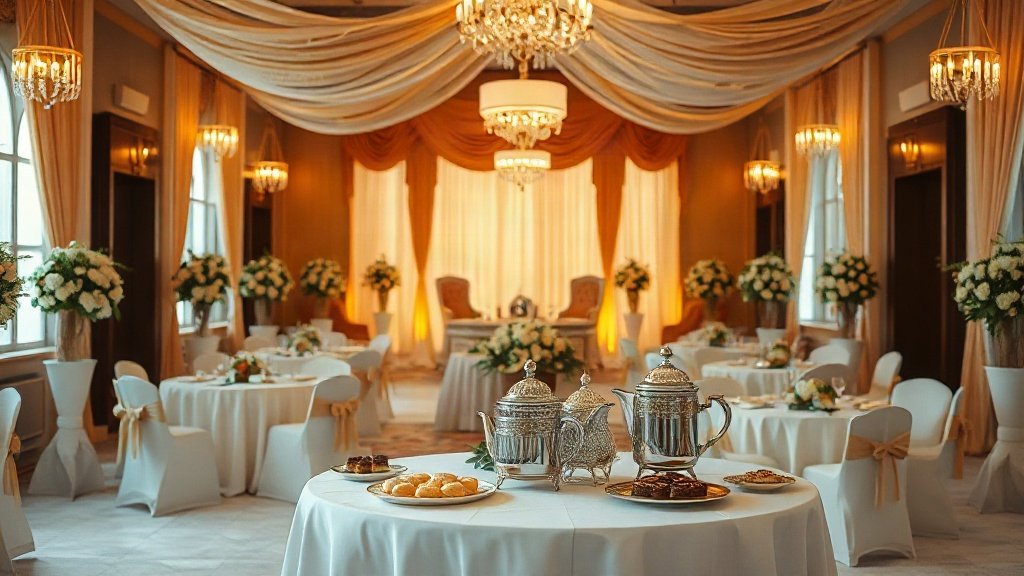
Illustration: AI-generated image
Weddings in the Gulf are among the most significant social occasions, bringing together families, friends and entire communities in celebrations that can last several days. While modern ceremonies often blend contemporary elements, many traditional rituals remain deeply cherished, reflecting the region's Bedouin and coastal heritage and Islamic values of modesty, generosity and kinship.
The Engagement and Pre-Wedding Rituals
The journey begins with the engagement, often initiated by family discussions and a formal agreement known as Al-Melcha or Al-Aqd. During this gathering, the couple's families recite the Fatiha (the opening chapter of the Quran) and agree on the mahr (dowry), an obligatory gift from the groom to the bride. Though practices vary, the engagement period is a time for preparation and often includes the shabka, where the groom presents jewellery to his bride-to-be.
The Henna Night: A Celebration of Beauty and Blessing
A highlight for women is the laylat al-henna (henna night), held shortly before the wedding. Female relatives and friends gather to apply intricate henna designs on the bride's hands and feet, symbolising beauty, protection and good fortune. The evening features traditional songs, dances and festive food, and in some Gulf communities, the groom also has a smaller henna gathering with male relatives.
The Wedding Day: Zaffa and Festivities
The wedding day itself centres on the zaffa, a lively procession that announces the marriage. Traditionally, the groom arrives with family members and friends, accompanied by music, drums and sometimes sword dances like the ardah. The bride, adorned in an elaborate gown and gold jewellery, is presented in a kosha (a decorated seating area) where guests offer congratulations. In many Gulf countries, men and women celebrate in separate halls or at different times, following customs of gender segregation during festivities.
Attire and Adornments
The bride typically wears a heavily embroidered gown, often in deep red, green or gold, with traditional talli embroidery or modern haute couture designs. She is adorned with gold jewellery, including necklaces, bracelets and a headpiece, and may wear a bukhoor-scented veil. The groom traditionally wears a bisht, a flowing cloak over his thobe, signifying honour and dignity.
Feasting and Hospitality
No Gulf wedding is complete without generous hospitality. Guests are served traditional dishes such as machboos (spiced rice with meat or fish), harees, and an array of sweets like luqaimat. Arabic coffee (gahwa) and dates are offered throughout the event, and in some communities, a whole roasted lamb or camel is presented as a sign of abundance.
Post-Wedding Traditions
After the celebrations, the couple often embarks on a honeymoon, and in some families, a subou (a gathering held seven days after the wedding) is organised to welcome the bride into her new home. These ongoing rituals reinforce family bonds and ensure the community shares in the couple's joy for weeks to come.
For expatriates and visitors, attending a Gulf wedding is a rare privilege. If invited, dress modestly, bring a gift (often money in an envelope is customary), and be prepared to celebrate with warmth and enthusiasm. Above all, respect local customs, such as gender separation and photography restrictions, to fully appreciate this vibrant cultural heritage.