Gulf states can turn Syrian refugee crisis into growth engine, analysis says
A new analysis argues that Gulf countries have a unique opportunity to support Syrian refugees' economic inclusion, boosting regional trade and reducing aid dependence.
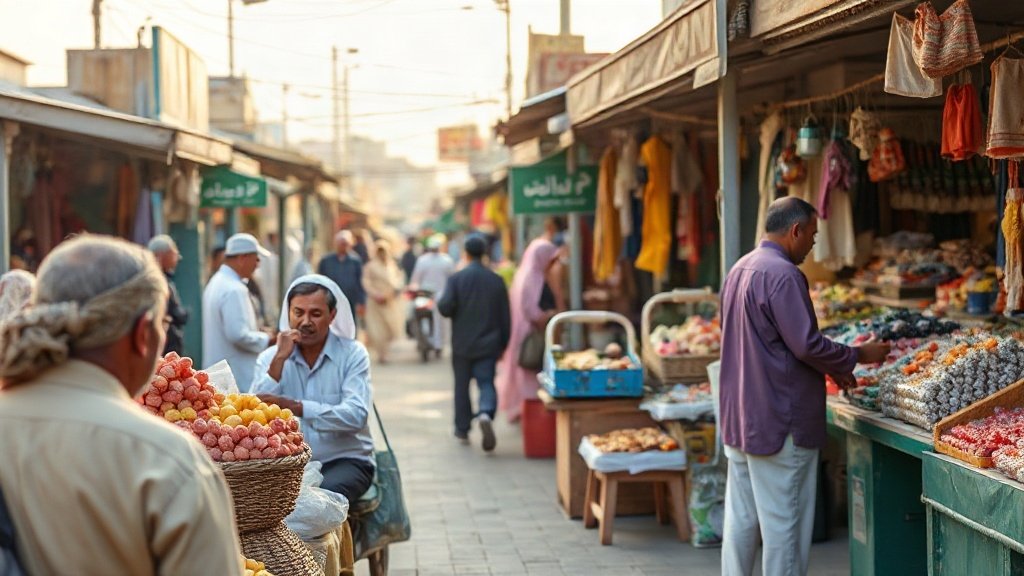
Illustration: AI-generated image
Gulf countries can play a transformative role in addressing the long-running Syrian refugee crisis by focusing on economic inclusion rather than endless emergency aid, according to a new analysis. With more than 3.8 million Syrians still living in neighbouring countries, shifting regional dynamics present an opening for a more sustainable approach that benefits both refugees and host economies.
Recent developments have changed the landscape: the political transition in Syria, the lifting of international sanctions, and greater Gulf investment in Levant infrastructure have created new possibilities. The analysis, published by The National, suggests that granting refugees key rights—such as labour mobility, access to financial services, and the ability to start businesses—would reduce their reliance on dwindling humanitarian aid while helping to build the commercial networks needed for Gulf-funded projects.
Data cited in the commentary shows the urgency: a UN study last year found that 69 per cent of Syrian refugees in host communities in Jordan were living in poverty, a record high. Meanwhile, western aid cuts have forced refugees to choose between rent, medicine and education. Yet the analysis argues that many Syrians possess skills, commercial relationships and market knowledge that could connect Levant economies with Gulf markets.
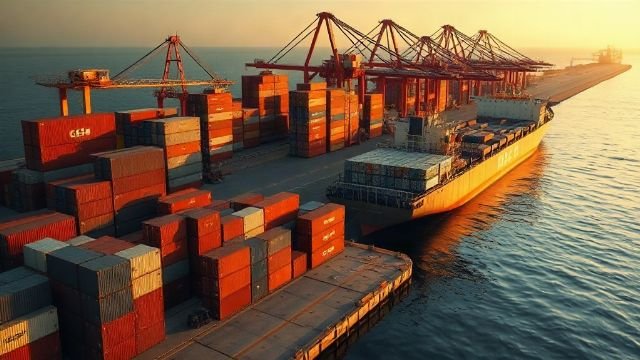
Gulf states have already invested in land corridors through the Levant to diversify trade routes away from maritime chokepoints. Saudi Arabia's transport agreements with Syria, alongside Emirati and Qatari investments in Syrian infrastructure, highlight the region's economic importance. Enabling refugees to participate in these initiatives could help meet labour needs, stimulate local economies, and accelerate Syria's recovery when refugees eventually return with capital and expertise.
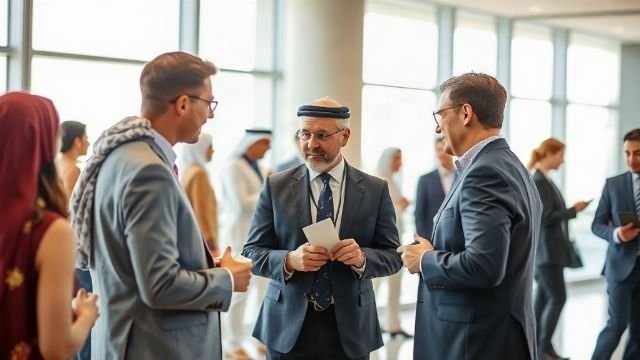
The commentary concludes that Gulf countries are well positioned to encourage host governments to adopt inclusive policies, thanks to their political and economic influence and unburdened relationships. By turning the refugee challenge into an opportunity, the region could pioneer a model that reduces aid dependence while advancing shared prosperity.