Baharat: A Guide to the Gulf's Aromatic Spice Blend
Learn what baharat is, how to make it at home, and the many ways it brings warmth and depth to Gulf cooking.
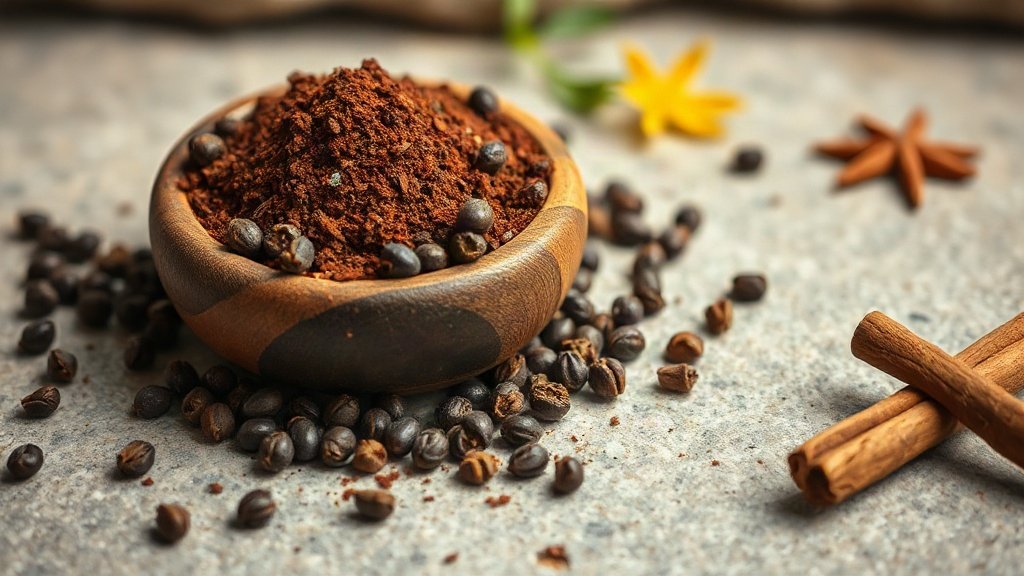
Illustration: AI-generated image
Walk into any Gulf kitchen and you are likely to find a jar of baharat – a deep, fragrant spice blend that underpins much of the region's cooking. The word simply means 'spices' in Arabic, but as a blend it has a distinctive character: warm, peppery and gently sweet, with a complexity that transforms simple ingredients into something special.
What is baharat?
Baharat is a versatile all-purpose seasoning used across the Arabian Peninsula and the wider Middle East. While recipes vary from household to household, it typically combines black pepper, coriander, cumin, cinnamon, cloves and cardamom, often with paprika for colour and a touch of nutmeg or allspice for warmth. Some versions include dried rose petals or a hint of chilli, but the classic blend is aromatic rather than fiery.
Typical ingredients
The beauty of baharat lies in its balance. Here are the spices most commonly found in a Gulf-style blend:
- Black pepper – provides a subtle heat and pungency.
- Coriander seeds – lend a citrusy, slightly floral note.
- Cumin – adds earthiness and depth.
- Cinnamon – brings sweetness and warmth.
- Cloves – contribute a sharp, aromatic intensity.
- Cardamom – offers a bright, eucalyptus-like freshness.
- Paprika – gives a rich red colour and mild fruitiness.
Many cooks also add nutmeg, allspice or dried lime (loomi) for extra layers, but the core remains consistent.
Regional variations
Across the Gulf, baharat reflects local tastes. In the Emirates and Qatar, it may lean sweeter with extra cinnamon and cloves, while in Saudi Arabia it can be bolder with more black pepper and cumin. Some families pass down their own secret ratios, but all agree on one thing: freshness matters. Grinding whole spices just before use releases oils that make the blend far more vibrant than pre-ground versions.
How to make baharat at home
Making your own baharat is simple and rewarding. Toast whole spices in a dry pan until fragrant – about two minutes over medium heat – then cool and grind to a fine powder. A good starting ratio is:
- 2 tablespoons black peppercorns
- 2 tablespoons coriander seeds
- 1 tablespoon cumin seeds
- 1 tablespoon cinnamon stick (broken)
- 1 teaspoon whole cloves
- 1 teaspoon green cardamom pods
- 1 tablespoon sweet paprika
Store the blend in an airtight jar away from light and use within three months for the best flavour.
How to use baharat in Gulf cooking
Baharat is a workhorse in the kitchen. Rub it onto lamb or chicken before grilling, stir it into rice dishes like machboos, or add a teaspoon to tomato-based stews and soups for instant depth. It also pairs beautifully with roasted vegetables, lentil dishes and even scrambled eggs. Start with a little and adjust – a good baharat should enhance, not overpower.
Whether you buy it from a local souq or make your own, keeping baharat on hand is the easiest way to bring the authentic taste of the Gulf to your table.