Al-Qatt Al-Asiri: The Vibrant Wall Art of Saudi Arabia's Asir Region
Discover the colourful geometric patterns painted by women in the Asir highlands, a UNESCO-listed tradition that turns homes into works of art.
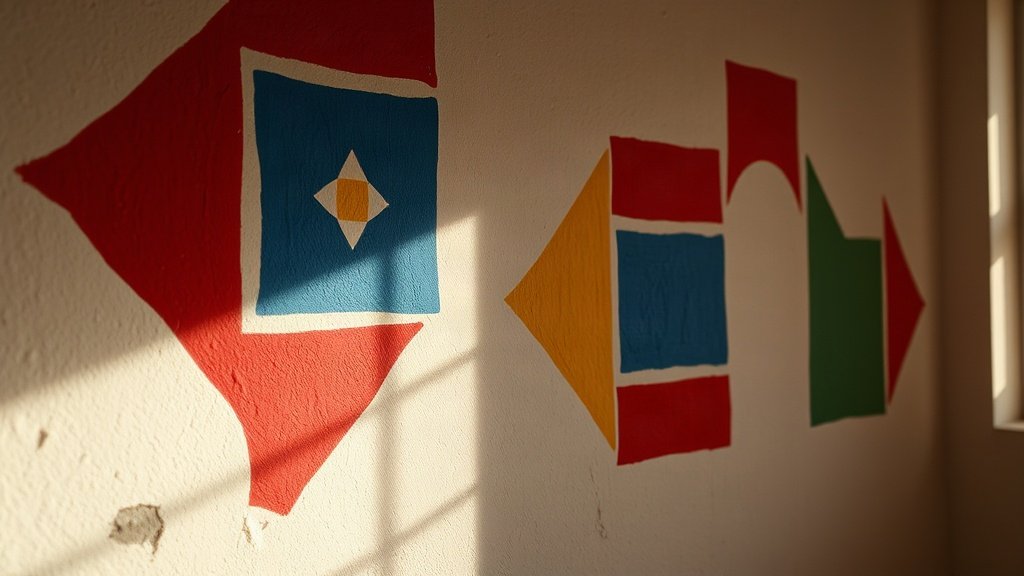
Illustration: AI-generated image
In the highlands of south-western Saudi Arabia, the interiors of traditional homes come alive with bold geometric patterns in red, blue, yellow and green. This is Al-Qatt Al-Asiri, a centuries-old art of interior wall painting practised by women in the Asir region. Recognised by UNESCO as an Intangible Cultural Heritage of Humanity in 2017, it is both a domestic craft and a powerful expression of identity and creativity.
A Living Art of the Asir Highlands
Al-Qatt means 'the line' or 'the scratch' in Arabic, referring to the way designs are incised or painted onto plastered walls. Historically, women decorated the majlis (guest room) and other living spaces of their homes, often working together in groups. The practice was passed down from mother to daughter, with each generation adding new motifs and colour combinations.
The art form is deeply tied to the landscape and social life of Asir. The region's traditional architecture, built from stone and mud, provided a blank canvas for these vibrant decorations. The high altitude and cool climate allowed for thick walls and small windows, creating intimate interiors that the paintings brightened and personalised.
Patterns and Meanings
The designs are built from geometric shapes: triangles, diamonds, chevrons, dots and parallel lines. These are arranged in horizontal bands or framed panels, echoing the structure of the room. Colours are derived from natural pigments: red from iron oxide, blue from indigo, yellow from turmeric or clay, and green from local plants. Black is often made from charcoal.
The motifs are not random; they carry symbolic meanings drawn from the natural world and daily life. Common elements include representations of mountains, plants, animals and even household objects. Some patterns are believed to offer protection or bring good fortune. The repetition and symmetry create a rhythmic visual effect that is both soothing and celebratory.
From Homes to Global Recognition
For much of its history, Al-Qatt was an intimate domestic art, rarely seen outside the home. That changed in the late 20th century as researchers and cultural institutions began to document and promote it. The UNESCO listing brought international attention, and today the art form is celebrated in museums, festivals and public art projects across Saudi Arabia.
Efforts to preserve the tradition include training programmes for young women, exhibitions and the integration of Al-Qatt motifs into contemporary design, from textiles to ceramics. While some artists now work on canvas or in public spaces, the core techniques and community spirit remain rooted in the home.
Where to See Al-Qatt Today
Visitors to the Asir region can encounter Al-Qatt in heritage villages such as Rijal Almaa, a historic settlement known for its colourful stone towers, some of which feature interior wall paintings. Museums in Abha and other cities also display examples, and workshops occasionally offer hands-on experiences. The art form continues to evolve, but its essence—bold colour, geometric precision and feminine creativity—endures.